
Title
Strengthening Emotional Ties Through Parentchilddyad Art Therapy: Interventions With Infants And Preschoolers
Sold by Ergodebooks, an authorized reseller.
Returns accepted within 30 days | support@ergodebooks.com
Shipping Information
- Free Standard Shipping — United States only
- Processing Time: 3–5 business days
- Estimated Delivery: 6–10 business days after dispatch
- Double-boxed, fully insured & discreetly packaged
- Tracking number sent via email once dispatched
Returns & Refund
Returns accepted within 30 days of delivery.
Damaged or Defective Item
Free return shipping + replacement or full refund
Wrong Item Received
Free return shipping + replacement or full refund
Change of Mind
Return shipping at customer's expense · 25% restocking fee applies
Payment Option

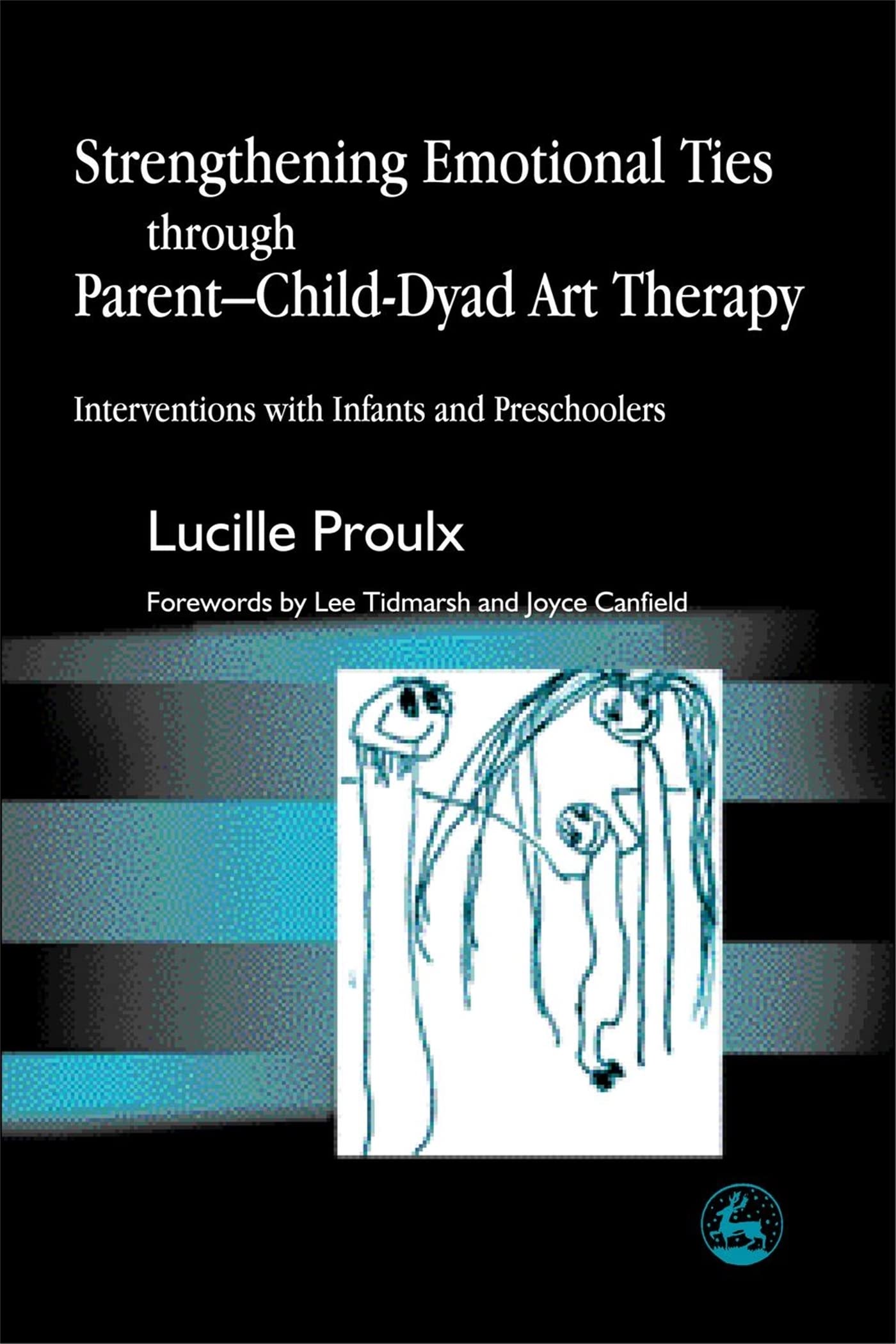
Parentchilddyad Art Therapy Is An Interesting And Innovative Art Therapy, In Which Parent And Child Share The Production Of An Artwork. Aiming To Reinforce Or Reestablish Bonds Between Children And Parents, It Provides A Space Where Parents' Early Unresolved Conflicts And Children'S Developmental Abilities Can Be Expressed. Lucille Proulx Explores Many Aspects Of Dyad Art Therapy Including Attachment Relationship Theories, The Roles Of Parents And Art Therapists In Dyad Interventions, The Importance Of The Tactile Experience And Ways In Which Dyad Art Therapy Could Be Used To Treat Other Age Groups. This Original Book, With Illustrations Of Parentchild Artwork, Will Be Invaluable To Mental Health Professionals In Prevention And Early Childhood Fields And Also To Any Parents Wishing To Enrich Their Interactions With Their Children.
⚠️ WARNING (California Proposition 65):
This product may contain chemicals known to the State of California to cause cancer, birth defects, or other reproductive harm.
For more information, please visit www.P65Warnings.ca.gov.
- Q: How many pages does the book have? A: This book contains one hundred ninety-two pages. It provides ample content, including illustrations of parent-child artwork.
- Q: What is the binding type of this book? A: The book has a paperback binding. This makes it lightweight and easy to handle for readers of all ages.
- Q: What are the dimensions of the book? A: The book measures six inches in length, zero point four four inches in width, and nine point two five inches in height. These dimensions make it portable and convenient for reading.
- Q: Who is the author of this book? A: The author is Lucille Proulx. She explores various aspects of parent-child-dyad art therapy throughout the book.
- Q: What topics are covered in the book? A: The book covers attachment relationship theories, roles of parents and therapists, and ways to use dyad art therapy. These topics provide valuable insights for mental health professionals.
- Q: Is this a suitable book for mental health professionals? A: Yes, it is suitable for mental health professionals. It offers interventions and insights for working with infants and preschoolers.
- Q: How can parents use this book? A: Parents can use this book to enrich their interactions with their children. It provides practical guidance on parent-child-dyad art therapy.
- Q: Is this book appropriate for children? A: Yes, the book is appropriate for children. It focuses on art therapy techniques beneficial for their emotional development.
- Q: Can this book help with early childhood development? A: Yes, it can help with early childhood development. The book discusses methods to enhance emotional bonds through art.
- Q: Are there illustrations included in the book? A: Yes, the book includes illustrations of parent-child artwork. These visuals enhance understanding of the therapy concepts.
- Q: What is the target audience for this book? A: The target audience includes mental health professionals and parents. It serves both groups by providing practical insights into art therapy.
- Q: Can this book be used for other age groups? A: Yes, the book discusses how dyad art therapy can be adapted for other age groups. It offers flexibility in therapeutic applications.
- Q: Does the book discuss unresolved conflicts in parents? A: Yes, it addresses parents' early unresolved conflicts. This focus helps improve the therapeutic process between parent and child.
- Q: What is the main purpose of the book? A: The main purpose of the book is to reinforce or re-establish bonds between children and parents through art therapy. It aims to foster emotional connections.
- Q: Is there a focus on the tactile experience in the book? A: Yes, the book emphasizes the importance of the tactile experience. This aspect is crucial for effective parent-child interaction during therapy.