
Title
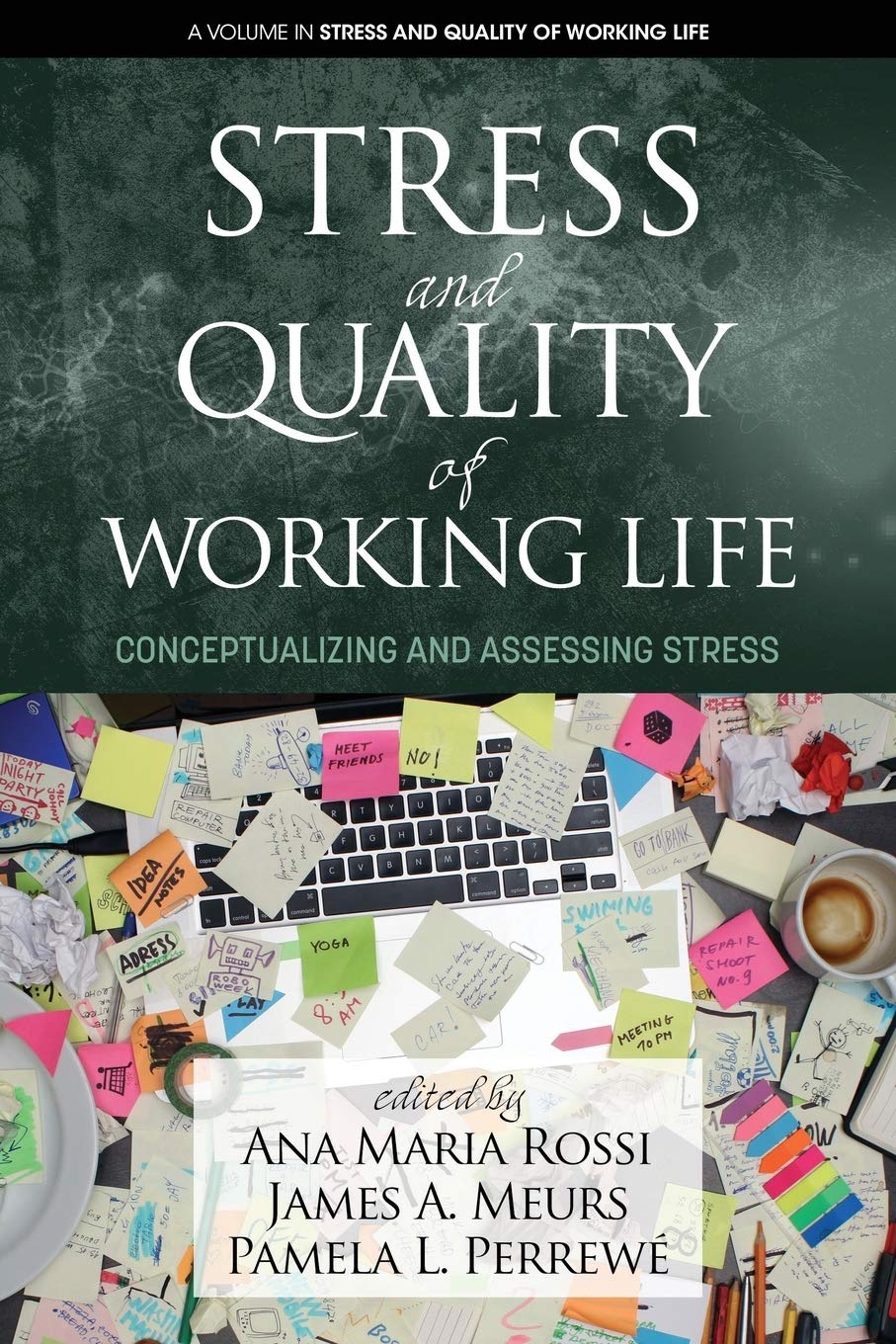
Stress and Quality of Working Life: Conceptualizing and Assessing Stress,Used
Sold by Ergodebooks, an authorized reseller.
Returns accepted within 30 days | support@ergodebooks.com
Shipping Information
- Free Standard Shipping — United States only
- Processing Time: 3–5 business days
- Estimated Delivery: 6–10 business days after dispatch
- Double-boxed, fully insured & discreetly packaged
- Tracking number sent via email once dispatched
Returns & Refund
Returns accepted within 30 days of delivery.
Damaged or Defective Item
Free return shipping + replacement or full refund
Wrong Item Received
Free return shipping + replacement or full refund
Change of Mind
Return shipping at customer's expense · 25% restocking fee applies
Payment Option

Workrelated stress is costly not only to employees, but also to organizations and society. For example, it is estimated that workrelated stress, depression, and anxiety costs British employers 1,035 per employee and that workplace stress costs the US economy up to $300 billion annually. However, elevated levels of stress often cannot be changed, and, if demands were not placed on employees, employee learning, organizational innovation, and societal economic growth would be hindered. Consequently, it is vital that occupational health practitioners, employees, employers and researchers strive to better understand and manage workplace stress, such that employee health and wellbeing can be improved. This book can assist organizations and individuals as they encounter workplace stress. This edition highlights research done by 25 authors across 12 chapters that challenges how work stress is viewed and assessed. Additionally, a number of social and psychological influences on the stress experience are examined. Our beliefs and expectations of stress and its results, whether helpful or hurtful, can have a profound influence on our stress experiences. Also, the way that we approach our work (e.g., job crafting) or the treatment we receive from others (e.g., with dignity) can either mitigate or exacerbate any harmful or beneficial effects of stress. Moreover, how we assess the psychological (e.g., burnout and wellbeing) or physiological (e.g., cortisol) outcomes of stress are meaningful, and the proper diagnosis of stress (e.g., stress surveys) underlies our understanding. We hope that the findings reported in these chapters and the insights of these scholars will provide ways for you andor your organization to improve the health and wellbeing of employees.
⚠️ WARNING (California Proposition 65):
This product may contain chemicals known to the State of California to cause cancer, birth defects, or other reproductive harm.
For more information, please visit www.P65Warnings.ca.gov.