
Title
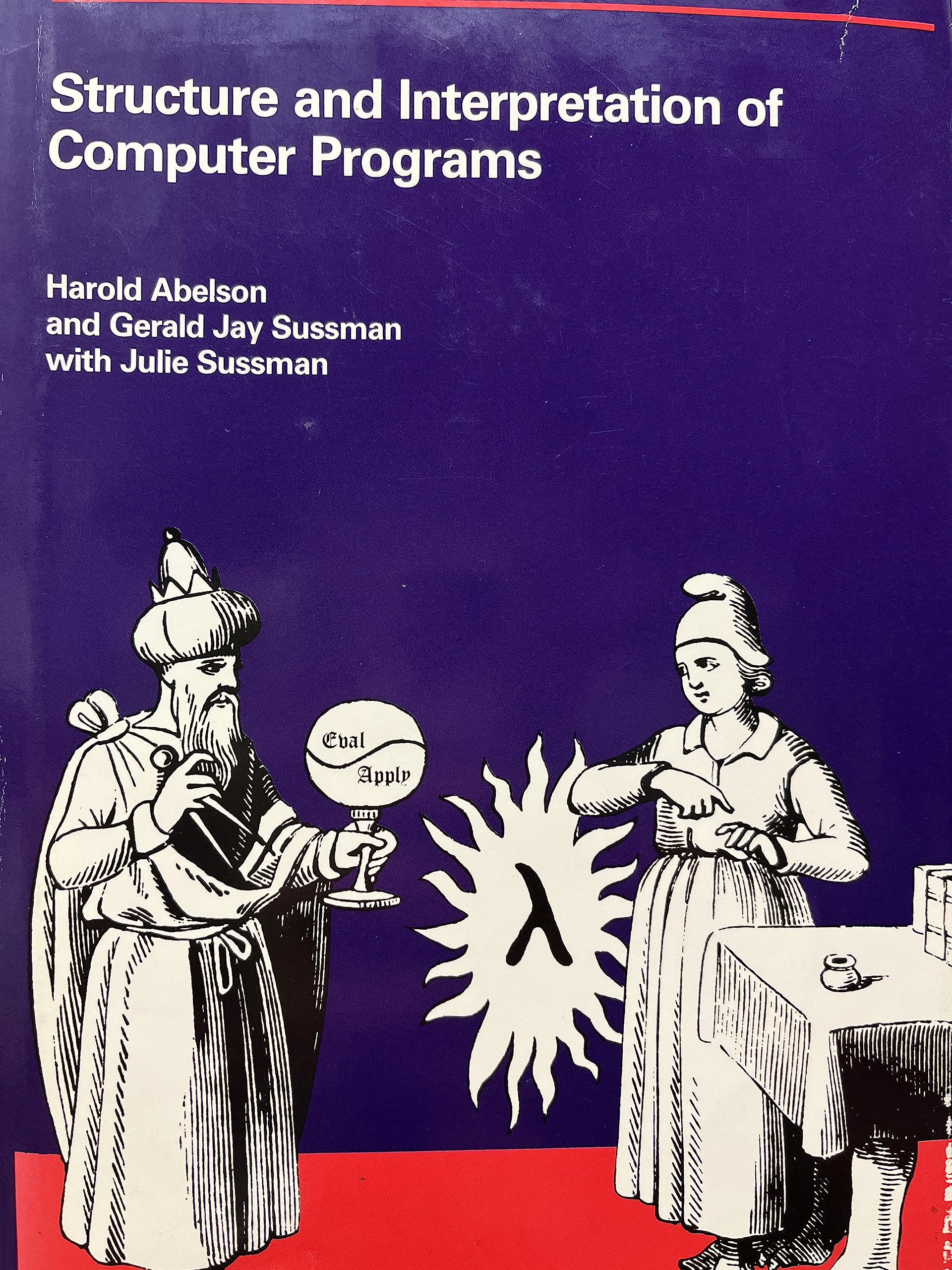
Structure And Interpretation Of Computer Programs (Mit Electrical Engineering And Computer Science)
Sold by Ergodebooks, an authorized reseller.
Returns accepted within 30 days | support@ergodebooks.com
Shipping Information
- Free Standard Shipping — United States only
- Processing Time: 3–5 business days
- Estimated Delivery: 6–10 business days after dispatch
- Double-boxed, fully insured & discreetly packaged
- Tracking number sent via email once dispatched
Returns & Refund
Returns accepted within 30 days of delivery.
Damaged or Defective Item
Free return shipping + replacement or full refund
Wrong Item Received
Free return shipping + replacement or full refund
Change of Mind
Return shipping at customer's expense · 25% restocking fee applies
Payment Option

Designed For The Introductory Computer Science Subject At Mit, This Book Presents A Unique Conceptual Introduction To Programming That Should Make It Required Reading For Every Computer Scientist. The Authors' Main Concern Is To Give Their Readers Command Of The Major Techniques Used To Control The Complexity Of Large Software Systems: Building Abstractions, Establishing Conventional Interfaces, And Establishing New Descriptive Languages.Structure And Interpretation Of Computer Programs Covers A Wide Range Of Material, From Simple Numerical Programs, Through Symbol Manipulation, Logic Programming, Interpretation, And Compilation. Main Sections Of The Book Are: Building Abstractions With Procedures; Building Abstractions With Data; Modularity, Objects, And State, Metalinguistic Abstraction; And Computing With Register Machines. Each Chapter Includes Numerous Exercises And Programming Projects. As A Programming Language, The Book Uses Scheme, A Modern Dialect Of Lisp, Which Incorporates Block Structure And Lexical Scoping.This Book Inaugurates The Mit Electrical Engineering And Computer Science Series, Copublished With Mcgraw Hill.
⚠️ WARNING (California Proposition 65):
This product may contain chemicals known to the State of California to cause cancer, birth defects, or other reproductive harm.
For more information, please visit www.P65Warnings.ca.gov.
- Q: How many pages does this book have? A: This book has four hundred pages. It is designed to provide a comprehensive introduction to programming concepts.
- Q: What is the binding type of this book? A: The binding type is hardcover. This ensures durability and longevity for frequent use.
- Q: What are the dimensions of this book? A: The dimensions are five point nine eight inches in length, zero point nine eight inches in width, and nine point zero two inches in height. These measurements make it a manageable size for readers.
- Q: What programming language is used in this book? A: The book uses Scheme as its programming language. Scheme is a modern dialect of LISP that emphasizes block structure and lexical scoping.
- Q: Who are the authors of this book? A: The authors are Harold Abelson and Gerald Jay Sussman. They are well-respected figures in the field of computer science.
- Q: Is this book suitable for beginners in programming? A: Yes, this book is suitable for beginners. It provides a unique conceptual introduction to programming that is accessible to newcomers.
- Q: What topics are covered in this book? A: The book covers topics including building abstractions, modularity, state, and computing with register machines. It offers a thorough grounding in essential programming concepts.
- Q: How is this book structured in terms of chapters? A: The book is structured into main sections, including Building Abstractions with Procedures and Modularity, Objects, and State. Each section includes exercises and programming projects.
- Q: Are there exercises included in this book? A: Yes, there are numerous exercises and programming projects included. These are designed to reinforce the concepts presented in each chapter.
- Q: Is this book suitable for advanced programmers? A: Yes, advanced programmers can also benefit from this book. It delves into complex topics that can enhance their understanding of programming paradigms.
- Q: Can this book help with learning software system complexity? A: Yes, this book addresses techniques for controlling the complexity of large software systems. It emphasizes building abstractions and establishing interfaces.
- Q: Does this book include a glossary of terms? A: Yes, the book includes a glossary of programming terms. This helps readers familiarize themselves with key concepts and terminology.
- Q: Is there a specific target audience for this book? A: The target audience includes students and professionals in computer science. It is particularly beneficial for those studying at institutions like MIT.
- Q: What makes this book a unique resource for computer scientists? A: Its conceptual approach to programming sets it apart, making it essential reading for understanding foundational programming principles.
- Q: What is the publication date of this book? A: The publication date is not specified in the details provided. It is part of the MIT Electrical Engineering and Computer Science series.