
Title
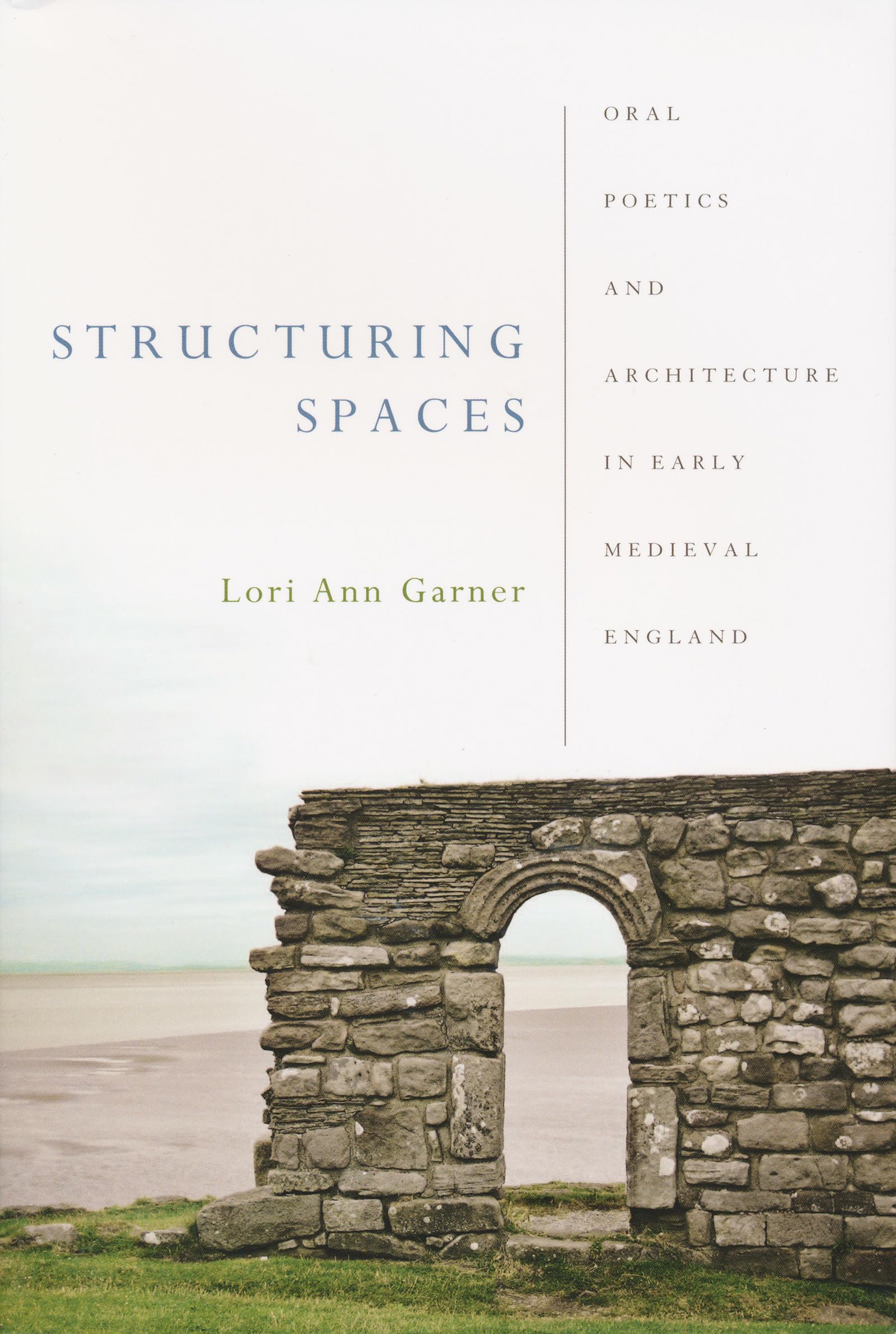
Structuring Spaces: Oral Poetics and Architecture in Early Medieval England (Poetics of Orality and Literacy),Used
Sold by Ergodebooks, an authorized reseller.
Returns accepted within 30 days | support@ergodebooks.com
Shipping Information
- Free Standard Shipping — United States only
- Processing Time: 3–5 business days
- Estimated Delivery: 6–10 business days after dispatch
- Double-boxed, fully insured & discreetly packaged
- Tracking number sent via email once dispatched
Returns & Refund
Returns accepted within 30 days of delivery.
Damaged or Defective Item
Free return shipping + replacement or full refund
Wrong Item Received
Free return shipping + replacement or full refund
Change of Mind
Return shipping at customer's expense · 25% restocking fee applies
Payment Option

In Structuring Spaces: Oral Poetics and Architecture in Early Medieval England, Lori Ann Garner illuminates the idiomatic and traditional meanings invested in depictions of architecture within the vernacular verse of early medieval England, portrayals that consistently demonstrate a shared aesthetic between literary texts and physical buildings. Through systematic exploration of the period's verbal and material culture as complementary art forms, Garner argues that in AngloSaxon England the arts of poetry and building emerged from the same cultural matrix. Not only did AngloSaxon builders and poets draw demonstrably from many of the same traditionally encoded motifs and images, but so rhetorically powerful was the period's architectural poetics that its expressive force continued in literature and architecture produced long after the Norman Conquest.Far from conceiving this inherited tradition as monolithic in nature, Structuring Spaces foregrounds the complex interface of orality and literacy as a nexus of varied and multivalent cultural traditions that influenced the production of texts and buildings alike. After establishing a model of architectural poetics based on oral theory and vernacular architecture, Garner explores fictionalized buildings in such works as Beowulf and the Ruin, architectural representation in Old English adaptations of Greek and Latin works, uses of architectural metaphor, and themes of buildings in AngloSaxon maxims, riddles, elegies, hagiographies, and charms. Her book draws on scholarship from art history, archaeology, anthropology, and architecture, as well as the great wealth of studies addressing the literature itself.
⚠️ WARNING (California Proposition 65):
This product may contain chemicals known to the State of California to cause cancer, birth defects, or other reproductive harm.
For more information, please visit www.P65Warnings.ca.gov.