
Title
Studying Religion: An Introduction Through Cases-new
Sold by Ergodebooks, an authorized reseller.
Returns accepted within 30 days | support@ergodebooks.com
Shipping Information
- Free Standard Shipping — United States only
- Processing Time: 3–5 business days
- Estimated Delivery: 6–10 business days after dispatch
- Double-boxed, fully insured & discreetly packaged
- Tracking number sent via email once dispatched
Returns & Refund
Returns accepted within 30 days of delivery.
Damaged or Defective Item
Free return shipping + replacement or full refund
Wrong Item Received
Free return shipping + replacement or full refund
Change of Mind
Return shipping at customer's expense · 25% restocking fee applies
Payment Option

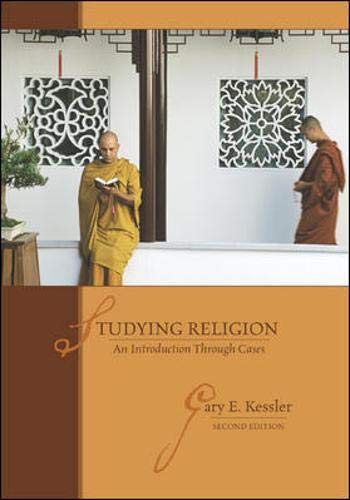
Through The Use Of Thoughtprovoking Case Studies, Summaries, And Review Questions, This Introductory Level Text Shows Students How To Engage In The 'Academic' Study Of Religion And Helps Instructors Address Some Of The Typical Problems They Encounter When Introducing Students To The Study Of Religion. Kessler Guides Students Through An Unbiased And Varied Study Of Religious Beliefs And Practices Such As Sacred Power, Myths And Rituals, Religious Art, The Problem Of Evil, And The Relationship Between Religion And Morality. The Text Also Addresses Issues Of Gender And Religious Institutionalization.
⚠️ WARNING (California Proposition 65):
This product may contain chemicals known to the State of California to cause cancer, birth defects, or other reproductive harm.
For more information, please visit www.P65Warnings.ca.gov.
- Q: How many pages does this book have? A: This book has four hundred forty-eight pages. It offers a comprehensive introduction to the academic study of religion.
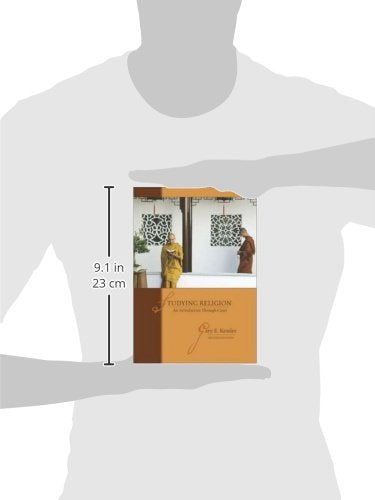
- Q: What are the dimensions of this book? A: The book measures six point three inches in length, zero point seventy-five inches in width, and nine point zero nine inches in height.
- Q: What type of binding does this book have? A: This book is published in paperback binding. This makes it lightweight and easy to handle for reading.
- Q: What is the reading level for this book? A: This book is suitable for introductory level readers. It is designed for students new to the academic study of religion.
- Q: Who is the author of this book? A: The author of this book is Gary E. Kessler. He provides insights into various religious beliefs and practices.
- Q: Can this book be used in a classroom setting? A: Yes, this book is ideal for classroom use. It includes case studies and review questions that enhance learning.
- Q: What themes are covered in this book? A: This book covers themes like sacred power, myths, rituals, and the relationship between religion and morality. It addresses varied aspects of religious practices.
- Q: Is this book suitable for high school students? A: Yes, this book can be suitable for high school students. It provides a foundational understanding of religious studies.
- Q: How do I care for this book? A: To care for this book, store it in a cool, dry place and keep it away from direct sunlight. This will help preserve its condition.
- Q: Can this book be used as a reference for research? A: Yes, this book can be a valuable reference for research. It presents various case studies and discussions on religion.
- Q: What if I receive a damaged book? A: If you receive a damaged book, contact the retailer for a return or exchange. Most retailers have policies to handle such issues.
- Q: Does this book include illustrations or images? A: No, this book does not primarily focus on illustrations or images. It emphasizes text-based case studies and academic content.
- Q: Is there an ebook version of this book available? A: Yes, an ebook version is typically available. You can check online retailers for digital formats.
- Q: What kind of insights does this book provide? A: This book provides insights into the academic study of religion, including the challenges faced by students and educators.
- Q: What are the key subjects discussed in this book? A: Key subjects include gender, religious institutionalization, and the problem of evil alongside various religious practices.