
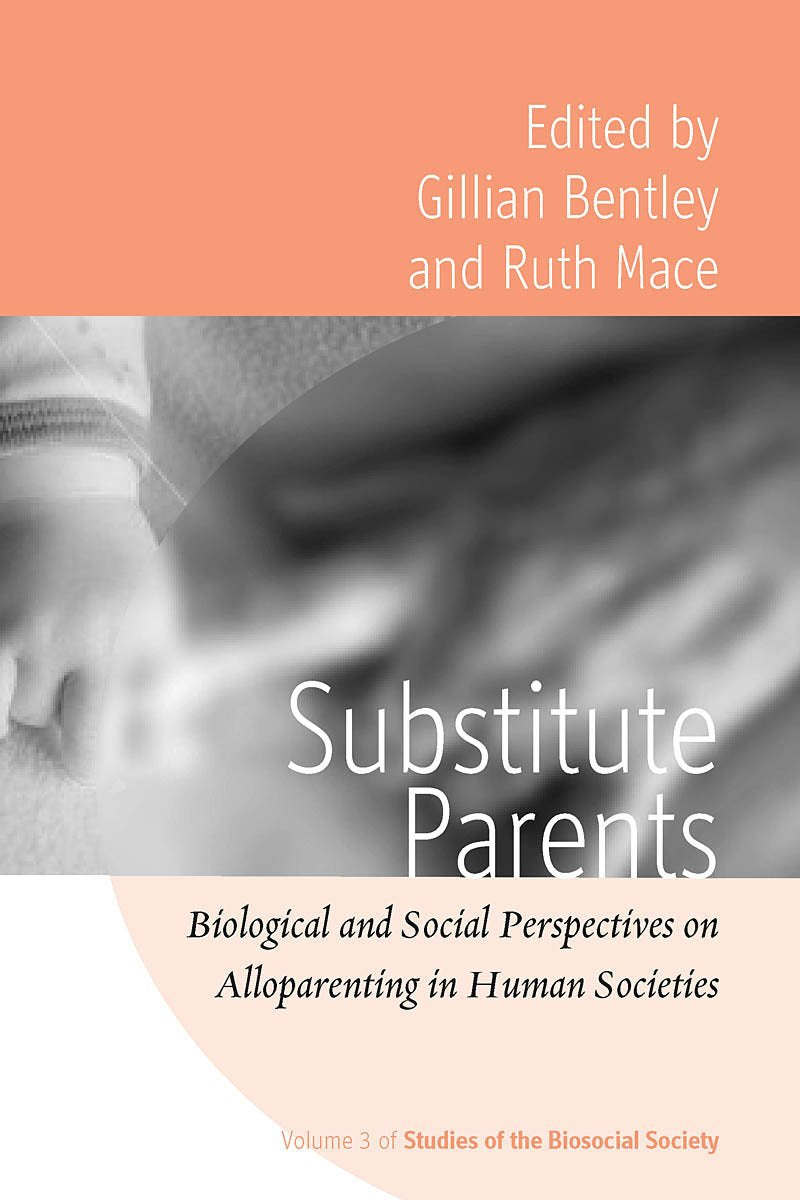
Title
Substitute Parents: Biological And Social Perspectives On Alloparenting In Human Societies (Studies Of The Biosocial Society, 3)
Sold by Ergodebooks, an authorized reseller.
Returns accepted within 30 days | support@ergodebooks.com
Shipping Information
- Free Standard Shipping — United States only
- Processing Time: 3–5 business days
- Estimated Delivery: 6–10 business days after dispatch
- Double-boxed, fully insured & discreetly packaged
- Tracking number sent via email once dispatched
Returns & Refund
Returns accepted within 30 days of delivery.
Damaged or Defective Item
Free return shipping + replacement or full refund
Wrong Item Received
Free return shipping + replacement or full refund
Change of Mind
Return shipping at customer's expense · 25% restocking fee applies
Payment Option

From A Comparative Perspective, Human Life Histories Are Unique And Raising Offspring Is Unusually Costly: Humans Have Relatively Short Birth Intervals Compared To Other Apes, Childhood Is Long, Mothers Care Simultaneously For Many Dependent Children (Other Apes Raise One Offspring At A Time), Infant Mortality Is High In Natural Fertility/Mortality Populations, And Human Females Have A Long Postreproductive Lifespan. These Features Conspire To Make Child Raising Very Burdensome. Mothers Frequently Defray These Costs With Paternal Help (Not Usual In Other Ape Species), Although This Contribution Is Not Always Enough. Grandmothers, Elder Siblings, Paid Allocarers, Or Society As A Whole, Help To Defray The Costs Of Childcare, Both In Our Evolutionary Past And Now. Studying Offspring Care In A Various Human Societies, And Other Mammalian Species, A Wide Range Of Specialists Such As Anthropologists, Psychologists, Animal Behaviorists, Evolutionary Ecologists, Economists And Sociologists, Have Contributed To This Volume, Offering New Insights Into And A Better Understanding Of One Of The Key Areas Of Human Society.
⚠️ WARNING (California Proposition 65):
This product may contain chemicals known to the State of California to cause cancer, birth defects, or other reproductive harm.
For more information, please visit www.P65Warnings.ca.gov.
- Q: How many pages does the book have? A: This book has three hundred seventy-two pages. It provides an in-depth exploration of parenting across various human societies.
- Q: What is the binding type of this book? A: The book is paperback bound. This makes it lightweight and flexible, ideal for easy reading and transport.
- Q: Who is the author of this book? A: The author is Gillian Bentley Bentley. She brings a wealth of knowledge from her expertise in anthropology and child-rearing practices.
- Q: What is the height of the book? A: The book is nine point zero two inches tall. This size makes it easy to handle and fit on standard bookshelves.
- Q: How do I read this book? A: You can read this book like any other paperback. There are no specific prerequisites or reading levels required; it's suitable for anyone interested in parenting.
- Q: Is this book suitable for beginners in anthropology? A: Yes, this book is suitable for beginners in anthropology. It presents complex ideas in an accessible manner, making it a good starting point.
- Q: How should I store this book? A: Store the book in a cool, dry place. Keep it upright on a shelf to maintain its shape and prevent damage to the binding.
- Q: Can I clean the book if it gets dirty? A: Yes, you can clean the book gently with a dry cloth. Avoid using liquids as they can damage the pages.
- Q: Is this book safe for young adults? A: Yes, this book is safe for young adults. It covers topics relevant to parenting without inappropriate content.
- Q: How does this book compare to other parenting books? A: This book offers a unique biosocial perspective on parenting, unlike many traditional parenting books that focus solely on practical advice.
- Q: What if the book arrives damaged? A: If the book arrives damaged, you should contact the seller for assistance. Most retailers offer a return policy for damaged items.
- Q: Does this book include any illustrations or photos? A: No, this book does not include illustrations or photos. It focuses on text-based analysis and insights.
- Q: What age group is this book intended for? A: This book is intended for adults and young adults interested in parenting and anthropological studies. It's not specifically designed for children.
- Q: Is there a warranty or guarantee for this book? A: Typically, books do not come with a warranty. However, check with the retailer for their return and exchange policies.
- Q: Can I find this book in libraries? A: Yes, this book may be available in libraries. It's advisable to check your local library's catalog for availability.
- Q: What topics are covered in this book? A: The book covers various aspects of alloparenting, including contributions from mothers, fathers, and other caregivers in human societies.