If you have any questions, you are always welcome to contact us. We'll get back to you as soon as possible, withing 24 hours on weekdays.
Customer service
All questions about your order, return and delivery must be sent to our customer service team by e-mail at yourstore@yourdomain.com
Sale & Press
If you are interested in selling our products, need more information about our brand or wish to make a collaboration, please contact us at press@yourdomain.com
Help
If you have any questions, you are always welcome to contact us. We'll get back to you as soon as possible, withing 24 hours on weekdays.
Customer service
All questions about your order, return and delivery must be sent to our customer service team by e-mail at yourstore@yourdomain.com
Sale & Press
If you are interested in selling our products, need more information about our brand or wish to make a collaboration, please contact us at press@yourdomain.com
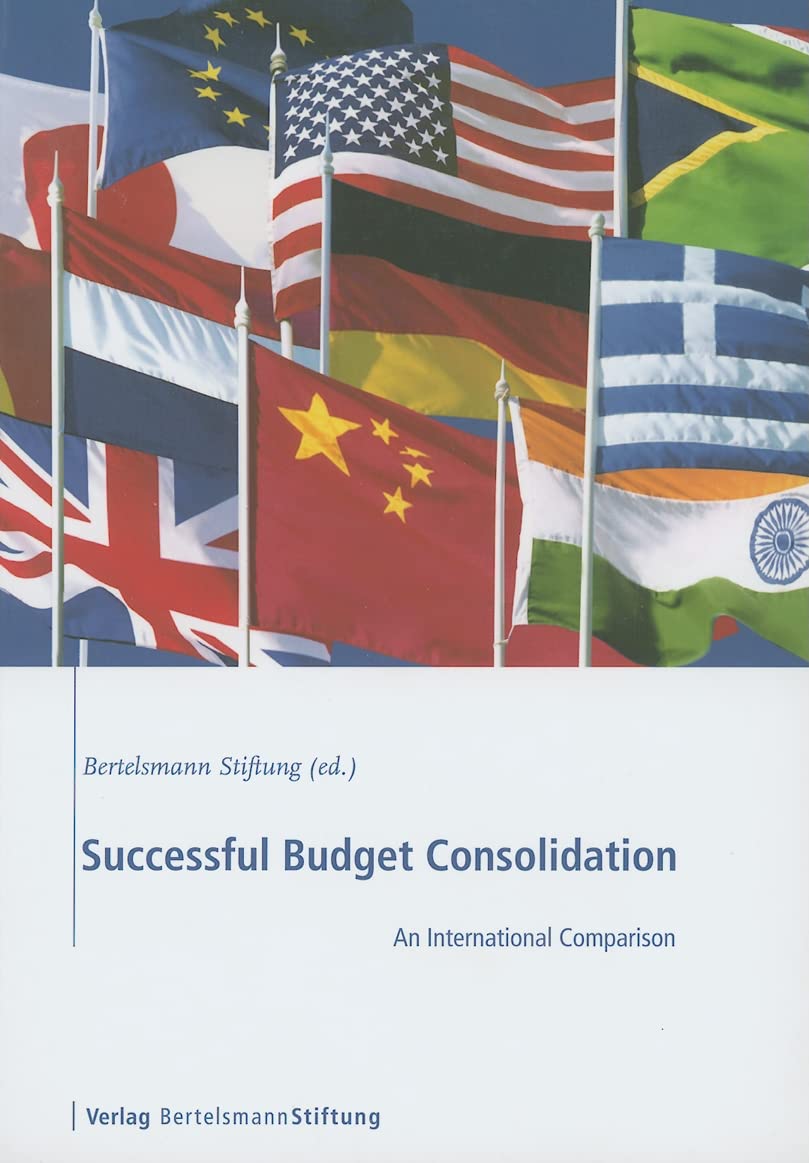
Blame it on the baby boomers. Unless Germany starts making a consistent effort to consolidate its public budgets, the country's already tight financial situation is going to get much worse. As with many Western countries, Germany's upcoming fiscal problems are rooted in demographic trends. Its baby boomer generation is preparing to move from active employment into retirement. Governmental budget planners will soon find themselves confronted with rising payment obligations, just as revenues are declining. Recognizing the urgent need to consolidate Germany's public budgets, Uwe Wagschal examines the factors that have helped determine the effects of budget consolidation in 23 selected OECD countries. His international comparison demonstrates how a combination of budget cuts and increased revenues can lead to successful consolidation.
⚠️ WARNING (California Proposition 65):
This product may contain chemicals known to the State of California to cause cancer,
birth defects, or other reproductive harm.
For MAP (Minimum Advertised Price) violations and Intellectual Property (IP) or Trademark concerns, please contact:
support@ergodebooks.com
⚠️ California Proposition 65 Warning: Some products sold on this website may expose you to chemicals known to the State of California to cause cancer, birth defects, or other reproductive harm. For more information, visit www.P65Warnings.ca.gov.