
Title
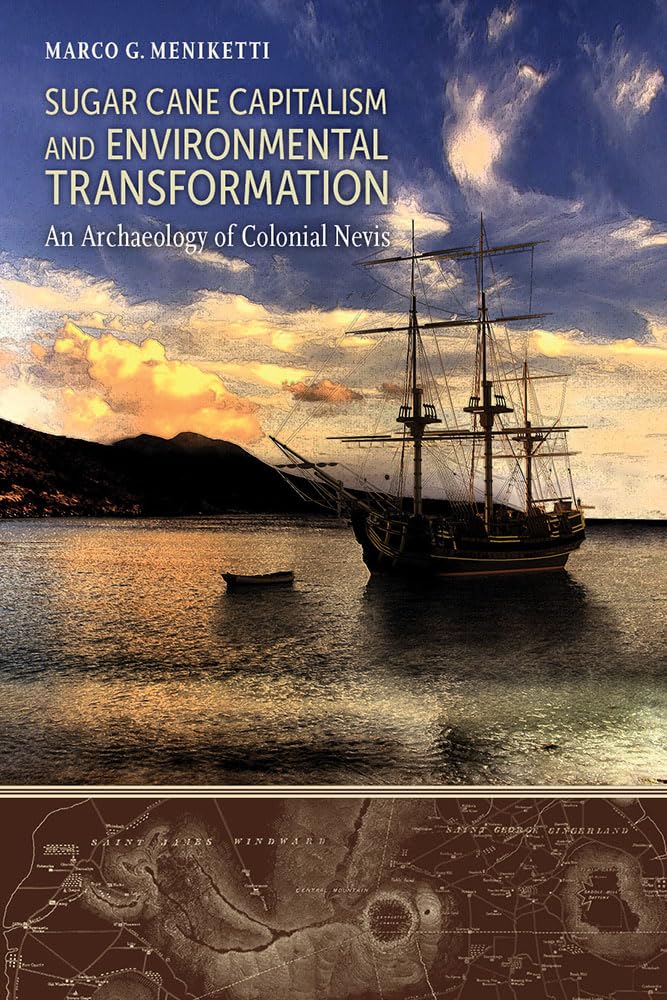
Sugar Cane Capitalism and Environmental Transformation: An Archaeology of Colonial Nevis, West Indies (Caribbean Archaeology and,New
Sold by Ergodebooks, an authorized reseller.
Returns accepted within 30 days | support@ergodebooks.com
Shipping Information
- Free Standard Shipping — United States only
- Processing Time: 3–5 business days
- Estimated Delivery: 6–10 business days after dispatch
- Double-boxed, fully insured & discreetly packaged
- Tracking number sent via email once dispatched
Returns & Refund
Returns accepted within 30 days of delivery.
Damaged or Defective Item
Free return shipping + replacement or full refund
Wrong Item Received
Free return shipping + replacement or full refund
Change of Mind
Return shipping at customer's expense · 25% restocking fee applies
Payment Option

Offers a rare exploration of the substantial environmental impact of capitalist sugar agriculture, colonial settlement, and the Atlantic slave trade on the Caribbean island of NevisIn this deeply researched and multifaceted study, Marco G. Meniketti demonstrates how the landscape of the small Caribbean island of Nevis preserves and reveals artifacts and evidence of the highly complex and interrelated seventeenth to nineteenthcentury Atlantic Economy, comprising early capitalist sugar production, the African slave trade, and European settlement.Sugar Cane Capitalism and Environmental Transformation is based on twelve seasons of meticulous archaeological field work and documentary research. Although Nevis was once a bustling hub of the British colonial project, the emigration of emancipated slaves and abandonment by European planters left large swathes of Nevis vacant. Reclaimed by forests and undisturbed by later waves of economic development, the islanddotted with fascinating ruins, debris from the sugar industry, windmills, chimneys, and multistoried great houseprovided Meniketti with an ideal subject for archaeological inquiry.Through intensive archaeological and landscape surveys of multiple key plantation sites, Meniketti traces the development of Nevis from its initial European settlement in 1627 to its central role as a British mercantile hub and a laboratory and prototype of capitalist sugar cultivation. His nuanced analysis explains the backdrop of European political and economic rivalries, of which the colonial agroindustrial enterprises were the physical manifestations, and makes telling comparisons with Dutch and French archaeological sites. The work also compares and contrasts the adoption of capitalist modes of sugar production and socialization at wealthy and middling plantation sites.Supported with a wealth of photos, tables, and maps, Sugar Cane Capitalism and Environmental Transformation offers a vital case study of one island whose environment and archaeological record illuminates the complex webs of Atlantic history.
⚠️ WARNING (California Proposition 65):
This product may contain chemicals known to the State of California to cause cancer, birth defects, or other reproductive harm.
For more information, please visit www.P65Warnings.ca.gov.