
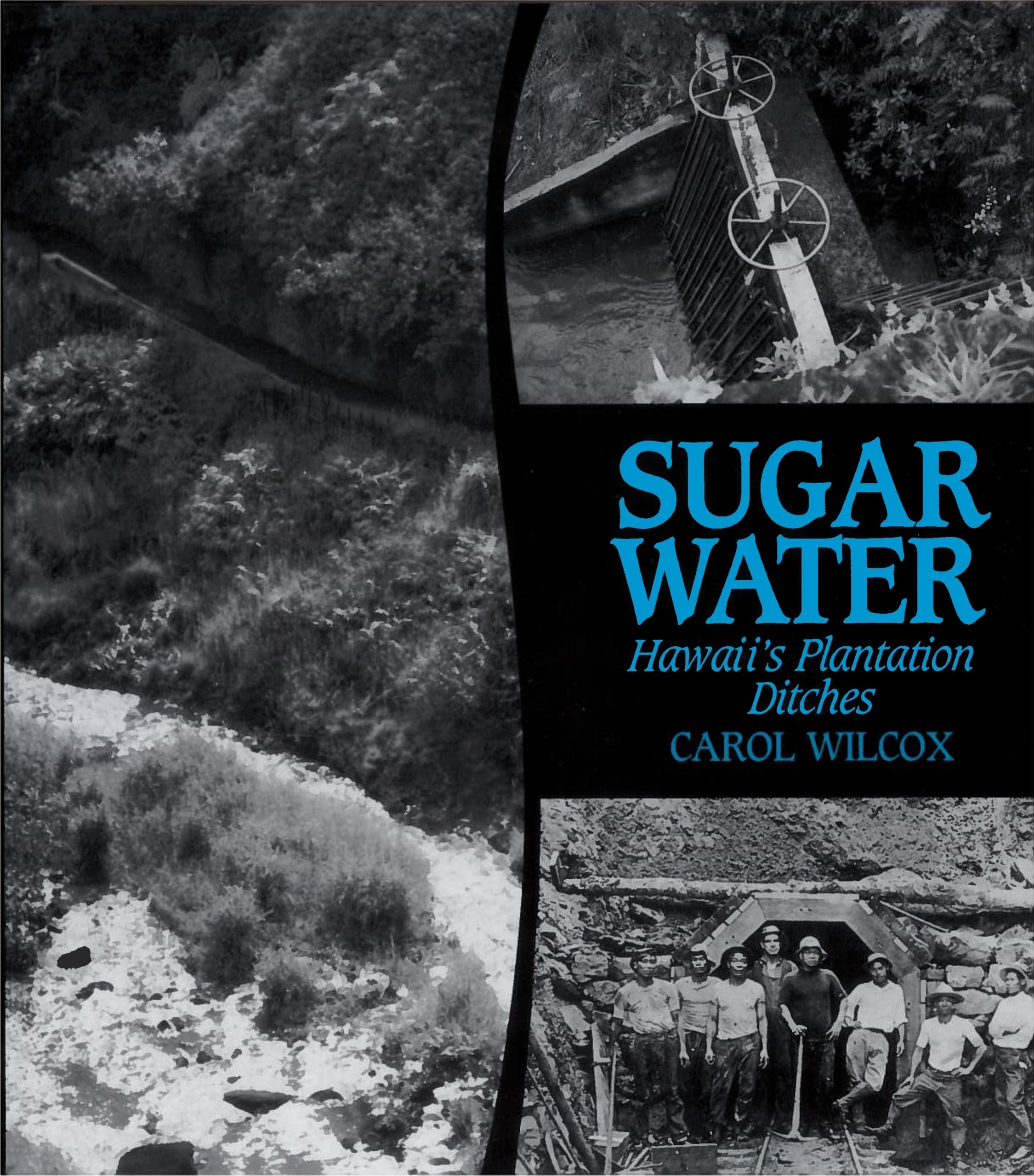
Title
Sugar Water: Hawaii'S Plantation Ditches,New
Sold by Ergodebooks, an authorized reseller.
Returns accepted within 30 days | support@ergodebooks.com
Shipping Information
- Free Standard Shipping — United States only
- Processing Time: 3–5 business days
- Estimated Delivery: 6–10 business days after dispatch
- Double-boxed, fully insured & discreetly packaged
- Tracking number sent via email once dispatched
Returns & Refund
Returns accepted within 30 days of delivery.
Damaged or Defective Item
Free return shipping + replacement or full refund
Wrong Item Received
Free return shipping + replacement or full refund
Change of Mind
Return shipping at customer's expense · 25% restocking fee applies
Payment Option

Hawaii'S Sugar Industry Enjoyed Great Success For Most Of The 20Th Century, And Its Influence Was Felt Across A Broad Spectrum: Economics, Politics, The Environment, And Society. This Success Was Made Possible, In Part, Through The Liberal Use Of Hawaii'S Natural Resources. Chief Among These Was Water, Which Was Needed In Enormous Quantities To Grow And Process Sugarcane. Between 1856 And 1920, Sugar Planters Built Miles Of Ditches, Diverting Water From Almost Every Watershed In Hawaii.'Ditch' Is A Humble Term For These Great Waterways. By 1920, Ditches, Tunnels, And Flumes Were Diverting Over 800 Million Gallons A Day From Streams And Mountains To The Canefields And Their Mills. Sugar Water Chronicles The Building Of Hawaii'S Ditches, The Men Who Conceived, Engineered, And Constructed Them, And The Sugar Plantations And Water Companies That Ran Them. It Explains How Traditional Hawaiian Water Rights And Practices Were Affected By Western Ways And How Sugar Economics Transformed Hawaii From An Insular, Agrarian, And Debtridden Society Into One Of The Most Cosmopolitan And Prosperous In The Pacific.
⚠️ WARNING (California Proposition 65):
This product may contain chemicals known to the State of California to cause cancer, birth defects, or other reproductive harm.
For more information, please visit www.P65Warnings.ca.gov.
- Q: How many pages does the book have? A: The book has two hundred six pages. It provides a comprehensive look at Hawaii's sugar industry and its historical impact.
- Q: What type of binding does this book have? A: This book features a paperback binding. It is designed for easy handling and reading.
- Q: What is the size of the book? A: The book measures eight point fifteen inches in length, zero point sixty-seven inches in width, and nine point nineteen inches in height.
- Q: Who is the author of this book? A: The author of this book is Carol Wilcox. She explores the historical context of Hawaii's sugar industry.
- Q: What genre does this book belong to? A: This book belongs to the Economic History genre. It delves into the economic transformations in Hawaii due to the sugar industry.
- Q: Is this book suitable for children? A: Yes, this book is suitable for older children and teenagers interested in history. It discusses complex themes that may require adult guidance.
- Q: How does this book address Hawaiian water rights? A: The book explains how traditional Hawaiian water rights were impacted by Western practices. It highlights the cultural and environmental implications.
- Q: Can I read this book as a beginner in economic history? A: Yes, beginners can read this book. It presents information in an accessible manner, making it a good starting point.
- Q: What should I do to care for this book? A: To care for this book, keep it in a dry place and avoid direct sunlight. This will help preserve its condition.
- Q: Is this book a good resource for research? A: Yes, this book is an excellent resource for research. It provides detailed insights and references regarding Hawaii's economic history.
- Q: What if the book arrives damaged? A: If the book arrives damaged, contact the seller for a return or exchange. It's important to report any issues promptly.
- Q: Does this book include illustrations or maps? A: No, the book does not include illustrations or maps. It focuses primarily on text and historical analysis.
- Q: Are there any notable features of this book? A: Yes, the book is labeled as a 'Used Book in Good Condition.' It may contain slight wear but remains readable.
- Q: Who published this book? A: The book is published by the University of Hawaii Press. This publisher specializes in works related to Hawaiian culture and history.
- Q: Is this book available in digital format? A: No, this specific listing is for a paperback version. Availability in digital format may vary depending on the publisher.
- Q: What topics are covered in this book? A: The book covers topics such as sugar production, water diversion, and the economic transformation of Hawaii. It provides a historical overview.