
Title
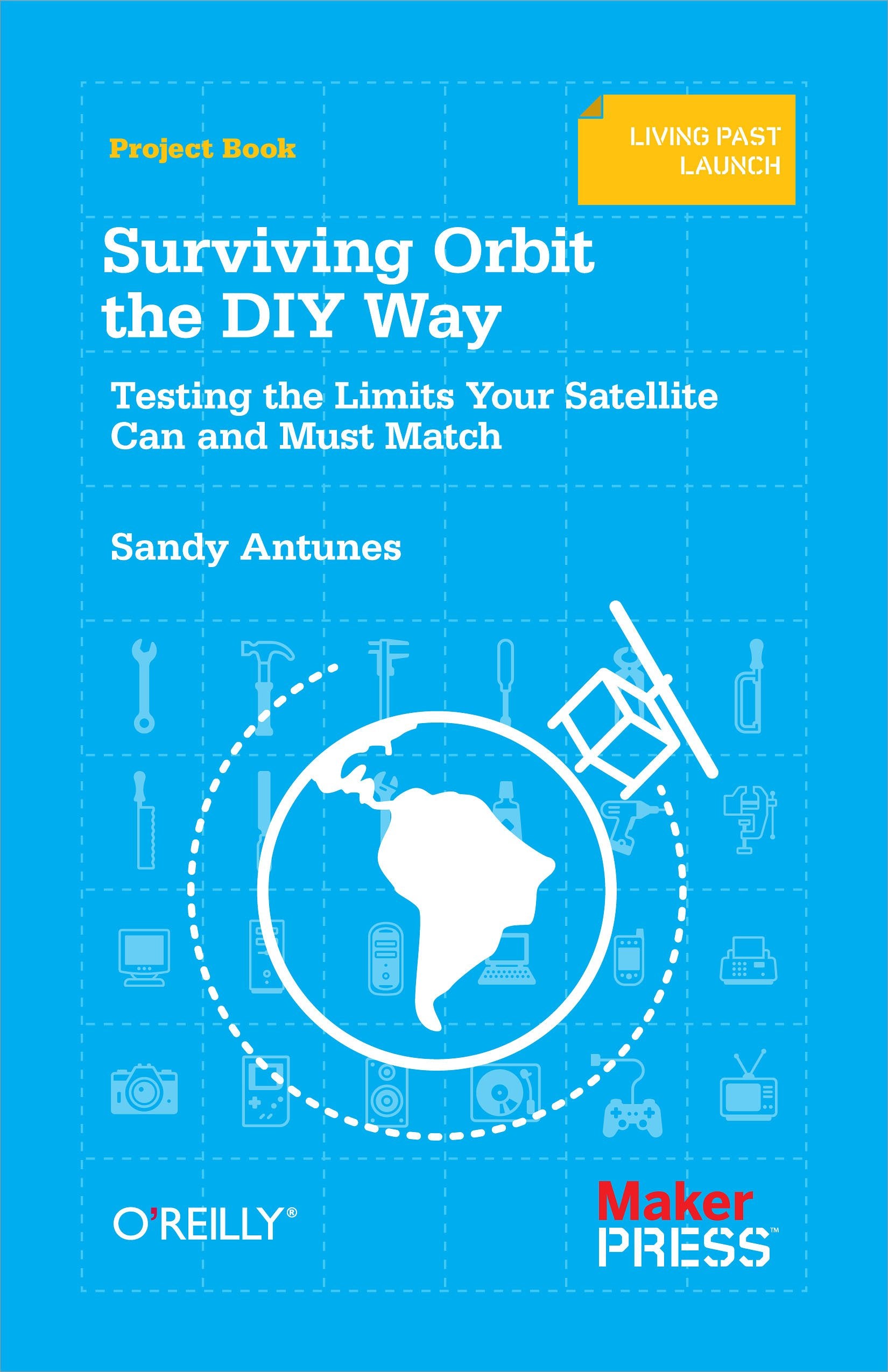
Surviving Orbit the DIY Way: Testing the Limits Your Satellite Can and Must Match,New
Sold by Ergodebooks, an authorized reseller.
Returns accepted within 30 days | support@ergodebooks.com
Shipping Information
- Free Standard Shipping — United States only
- Processing Time: 3–5 business days
- Estimated Delivery: 6–10 business days after dispatch
- Double-boxed, fully insured & discreetly packaged
- Tracking number sent via email once dispatched
Returns & Refund
Returns accepted within 30 days of delivery.
Damaged or Defective Item
Free return shipping + replacement or full refund
Wrong Item Received
Free return shipping + replacement or full refund
Change of Mind
Return shipping at customer's expense · 25% restocking fee applies
Payment Option

Is your picosatellite ready for launch? Can it withstand rocket thrusts and the vacuum of space? This doityourself guide helps you conduct a series of handson tests designed to check your satellites readiness. Learn precisely what the craft and its electronic components must endure if theyre to function properly in Low Earth Orbit.The perfect followup to DIY Satellite Platforms (our primer for designing and building a picosatellite), this book also provides an overview of what space is like and how orbits work, enabling you to set up the launch and orbit support youll need. Go deep into the numbers that describe conditions your satellite will face Learn how to mitigate the risks of radiation in the ionosphere Pick up enough formal systems engineering to understand what the tests are all about Build a thermal vacuum chamber for mimicking environment of space Simulate the rocket launch by building and running a vibration shake test Use a homebuilt centrifuge to conduct high Gforce tests Get guidelines on scheduling tests and choosing an appropriate lab or clean room
⚠️ WARNING (California Proposition 65):
This product may contain chemicals known to the State of California to cause cancer, birth defects, or other reproductive harm.
For more information, please visit www.P65Warnings.ca.gov.
- Q: What is the main focus of 'Surviving Orbit the DIY Way'? A: 'Surviving Orbit the DIY Way' is a practical guide for conducting hands-on tests to ensure picosatellites are ready for launch and can withstand the conditions of space.
- Q: Who is the author of this book? A: The author of 'Surviving Orbit the DIY Way' is Sandy Antunes.
- Q: What type of tests does this book cover for picosatellites? A: The book covers various tests including thermal vacuum tests, vibration shake tests, and high G-force tests to assess satellite readiness for launch.
- Q: How many pages does the book have? A: 'Surviving Orbit the DIY Way' contains 88 pages.
- Q: Is this book suitable for beginners in satellite design? A: Yes, the book serves as a follow-up to 'DIY Satellite Platforms' and provides foundational knowledge for both beginners and those with some experience in satellite design.
- Q: What edition of the book is available? A: The book is available in its first edition.
- Q: When was 'Surviving Orbit the DIY Way' published? A: The book was published on October 9, 2012.
- Q: What is the condition of the book being sold? A: The book is listed in new condition.
- Q: Can this book help with understanding space environments? A: Yes, it provides an overview of space conditions and how orbits work, essential for preparing a satellite for launch.
- Q: What type of binding does the book have? A: 'Surviving Orbit the DIY Way' is available in paperback binding.