
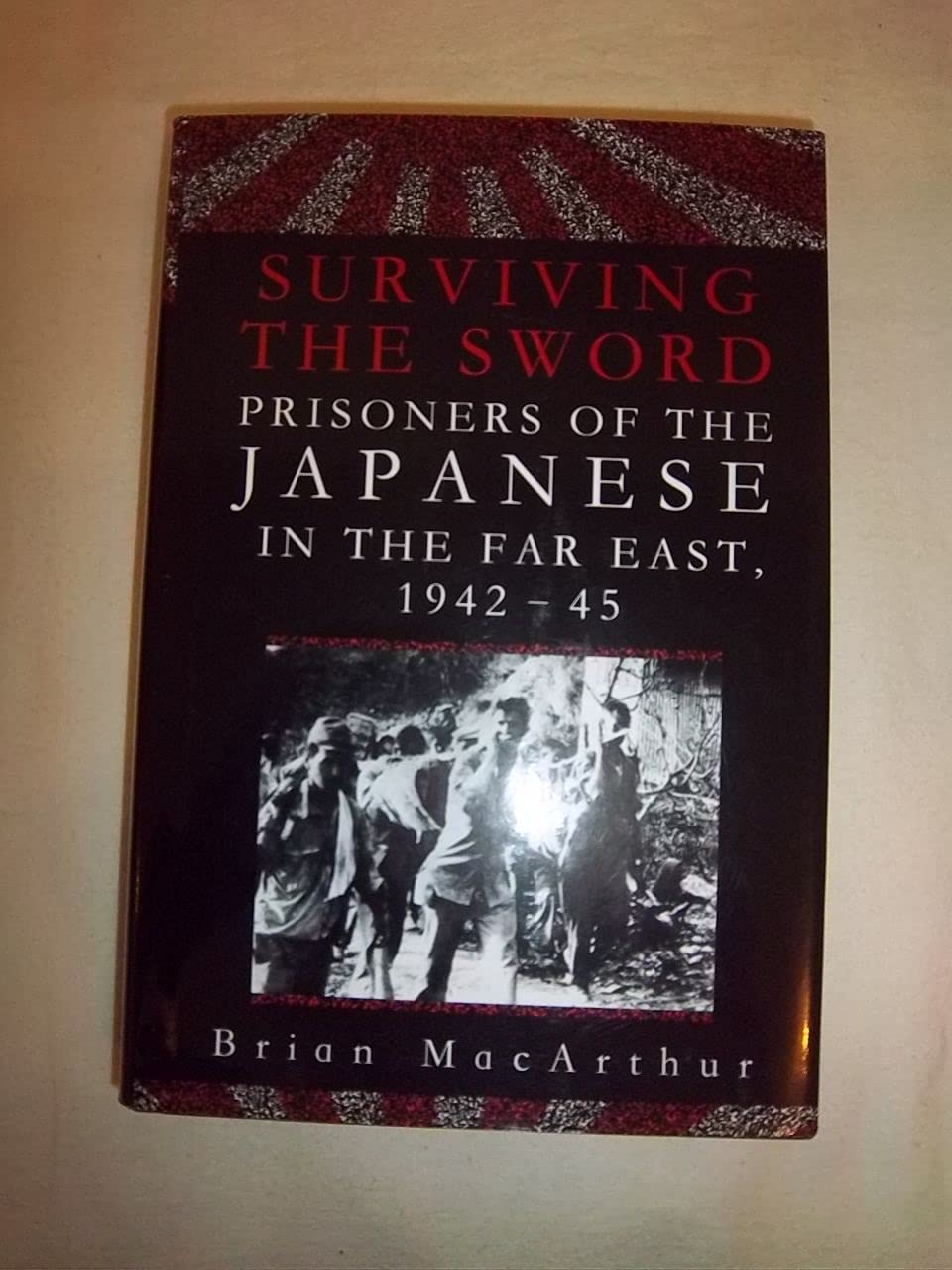
Title
Surviving The Sword: Prisoners Of The Japanese In The Far East, 194245
Sold by Ergodebooks, an authorized reseller.
Returns accepted within 30 days | support@ergodebooks.com
Shipping Information
- Free Standard Shipping — United States only
- Processing Time: 3–5 business days
- Estimated Delivery: 6–10 business days after dispatch
- Double-boxed, fully insured & discreetly packaged
- Tracking number sent via email once dispatched
Returns & Refund
Returns accepted within 30 days of delivery.
Damaged or Defective Item
Free return shipping + replacement or full refund
Wrong Item Received
Free return shipping + replacement or full refund
Change of Mind
Return shipping at customer's expense · 25% restocking fee applies
Payment Option

During World War Ii, There Were Few Fates That Could Befall A Soldier So Hellish As Internment In A Japanese Prisoner Of War Camp. To This Day, Many Survivorsmost Of Whom Are In Their Eightiesstill Cannot Talk About Their Experiences Without Unearthing Terrible Memories. Surviving The Sword Gives Voice To These Tens Of Thousands Of Allied Pows And Offers Us A Powerful Reminder Of The Terror And Depravations Of War And The Resilience Of The Human Spirit.In This Important Book, Brian Macarthur Draws On The Diaries Of American, British, Dutch, And Australian Fepows (Far Eastern Prisoners Of War), Some Of Whose Recollections Are Published Here For The First Time. These Soldiers Wrote And Kept Their Diaries, In Secret, Because They Were Determined That To Record For Posterity How They Were Starved And Beaten, Marched Almost To Death, Or Transported On Hellships; How Their Fellows Were Summarily Executed By Guards Or Felled By The Thousands By Tropical Diseases; And How They Were Used As Slave Labormost Notoriously On The Burmathailand Railway, As Depicted In The Bridge On The River Kwai.The Diaries Excerpted In This Book Make Plain Why The Fepows Believed That Their Brutal Treatment By Japanese And Korean Guards Was, Literally, Incomprehensible To Those Who Did Not Live It. The Prisoners Whose Stories Appear Here Risked Torture And Execution To Keep Diaries And Make Sketches And Drawings That They Hid From The Guards Wherever They Could, Sometimes Burying Them In The Graves Of Lost Comrades. The Survivors Narratives Reveal Not Just A Litany Of Horrors, But Are A Moving Testament To The Nobler Instincts Of Humanity As Well, Detailing How The Pows Prevailed Over Horrible Conditions, Even Finding Or Creating A Precious Few Creature Comforts And Sustaining The Rudiments Of Culture, Learning, And Play. Forced Into Solidarity By Inhuman Conditions, The Soldiers Showed Incredible Compassion For One Another, Improvising Ingenious Ways To Care For The Sick, Boost Morale By Subtly Mocking Their Jailers Authority, Or Even Turn Meager Rations Into The Occasional Feast.Countless Thousands Died In Japanese Prison Camps During World War Ii. Those Fortunate Enough To Emerge From Their Ordeal Were Never The Same Again. Surviving The Sword At Last Fills A Notable Historical Gap In Our Understanding, While Also Commemorating And Memorializing The Fepows Struggle And Sacrifice.
⚠️ WARNING (California Proposition 65):
This product may contain chemicals known to the State of California to cause cancer, birth defects, or other reproductive harm.
For more information, please visit www.P65Warnings.ca.gov.
- Q: How many pages does this book have? A: This book contains four hundred fifty-eight pages. It provides a comprehensive account of the experiences of Allied POWs during World War II.
- Q: What is the binding type of this book? A: This book is a hardcover edition. The durable binding ensures longevity and makes it suitable for repeated reading.
- Q: Who is the author of 'Surviving the Sword'? A: The author is Brian MacArthur. He draws on various diaries to highlight the experiences of prisoners of war.
- Q: What age group is this book suitable for? A: This book is suitable for adults and mature teens. It deals with intense themes related to war and survival.
- Q: Is this book appropriate for educational purposes? A: Yes, this book is appropriate for educational purposes. It provides historical insights into the experiences of POWs during World War II.
- Q: How should I care for this hardcover book? A: To care for this hardcover book, store it upright in a cool, dry place. Avoid direct sunlight to prevent fading of the cover.
- Q: Can I clean the book if it gets dirty? A: Yes, you can clean the book gently. Use a soft, dry cloth to wipe the cover and avoid using liquids that may damage the pages.
- Q: What is the best way to store this book? A: The best way to store this book is on a bookshelf. Ensure it remains upright and is not exposed to moisture or extreme temperatures.
- Q: What if the book arrives damaged? A: If the book arrives damaged, you should contact the seller for a return or exchange. Most sellers have a return policy for damaged items.
- Q: Is there a warranty for this book? A: No, there is typically no warranty for books. However, you can return it if it arrives in a defective condition.
- Q: How does this book compare to other war history books? A: This book offers a unique perspective through personal diaries, setting it apart from other war history books that may focus on broader events.
- Q: Is 'Surviving the Sword' a good choice for history enthusiasts? A: Yes, this book is an excellent choice for history enthusiasts. It provides personal accounts from prisoners of war, enriching the historical narrative.
- Q: What themes are explored in this book? A: The themes explored include survival, resilience, and the human spirit in the face of adversity during wartime.
- Q: How does the book depict the experiences of POWs? A: The book depicts the experiences of POWs through their diaries, revealing their struggles, suffering, and moments of solidarity.
- Q: Is this book considered a primary source of history? A: Yes, this book is considered a primary source of history. It uses first-hand accounts from individuals who experienced wartime conditions.
- Q: What makes this book a significant historical account? A: This book is significant because it gives voice to a largely overlooked group, the Far Eastern prisoners of war, and documents their harrowing experiences.