
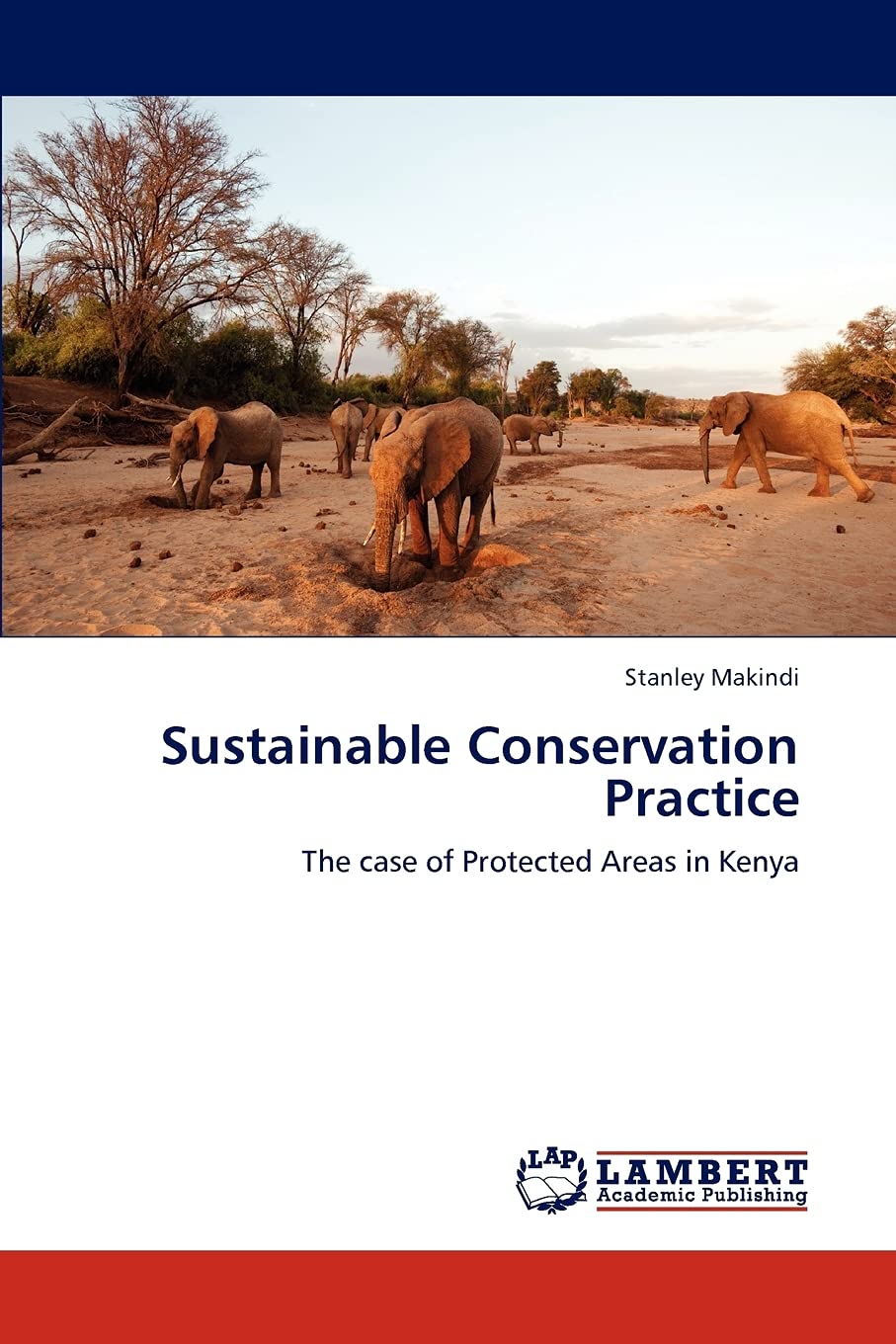
Title
Sustainable Conservation Practice: The case of Protected Areas in Kenya,Used
Sold by Ergodebooks, an authorized reseller.
Returns accepted within 30 days | support@ergodebooks.com
Shipping Information
- Free Standard Shipping — United States only
- Processing Time: 3–5 business days
- Estimated Delivery: 6–10 business days after dispatch
- Double-boxed, fully insured & discreetly packaged
- Tracking number sent via email once dispatched
Returns & Refund
Returns accepted within 30 days of delivery.
Damaged or Defective Item
Free return shipping + replacement or full refund
Wrong Item Received
Free return shipping + replacement or full refund
Change of Mind
Return shipping at customer's expense · 25% restocking fee applies
Payment Option

Protected areas in Kenya constitute 7% of the total land area with over 75% of wildlife in the country being found on private or communal land. Facing a range of development challenges with limited resources, one of the greatest challenge in Kenya is sustaining economic development with biodiversity conservation. Covering three categories of protected areas under different governance types and management objectives (government, community and private), the research examined the general issues of how local communities in Kenya have embraced different biodiversity conservation strategies and whether support for a particular conservation strategy is primarily a function of their experiences with biodiversity decline or their relationship with the conservation authorities. The findings suggest that local people appreciate the role of protected areas in conserving biodiversity and its values, but with some resentment towards some management activities of the protected area regulators. Negative attitudes were attributed to perceived problems of living next to the protected areas while support for the management activities was associated with perceived benefits to the local people.
⚠️ WARNING (California Proposition 65):
This product may contain chemicals known to the State of California to cause cancer, birth defects, or other reproductive harm.
For more information, please visit www.P65Warnings.ca.gov.