
Title
Systematics as Cyberscience: Computers, Change, and Continuity in Science (Inside Technology),Used
Sold by Ergodebooks, an authorized reseller.
Returns accepted within 30 days | support@ergodebooks.com
Shipping Information
- Free Standard Shipping — United States only
- Processing Time: 3–5 business days
- Estimated Delivery: 6–10 business days after dispatch
- Double-boxed, fully insured & discreetly packaged
- Tracking number sent via email once dispatched
Returns & Refund
Returns accepted within 30 days of delivery.
Damaged or Defective Item
Free return shipping + replacement or full refund
Wrong Item Received
Free return shipping + replacement or full refund
Change of Mind
Return shipping at customer's expense · 25% restocking fee applies
Payment Option

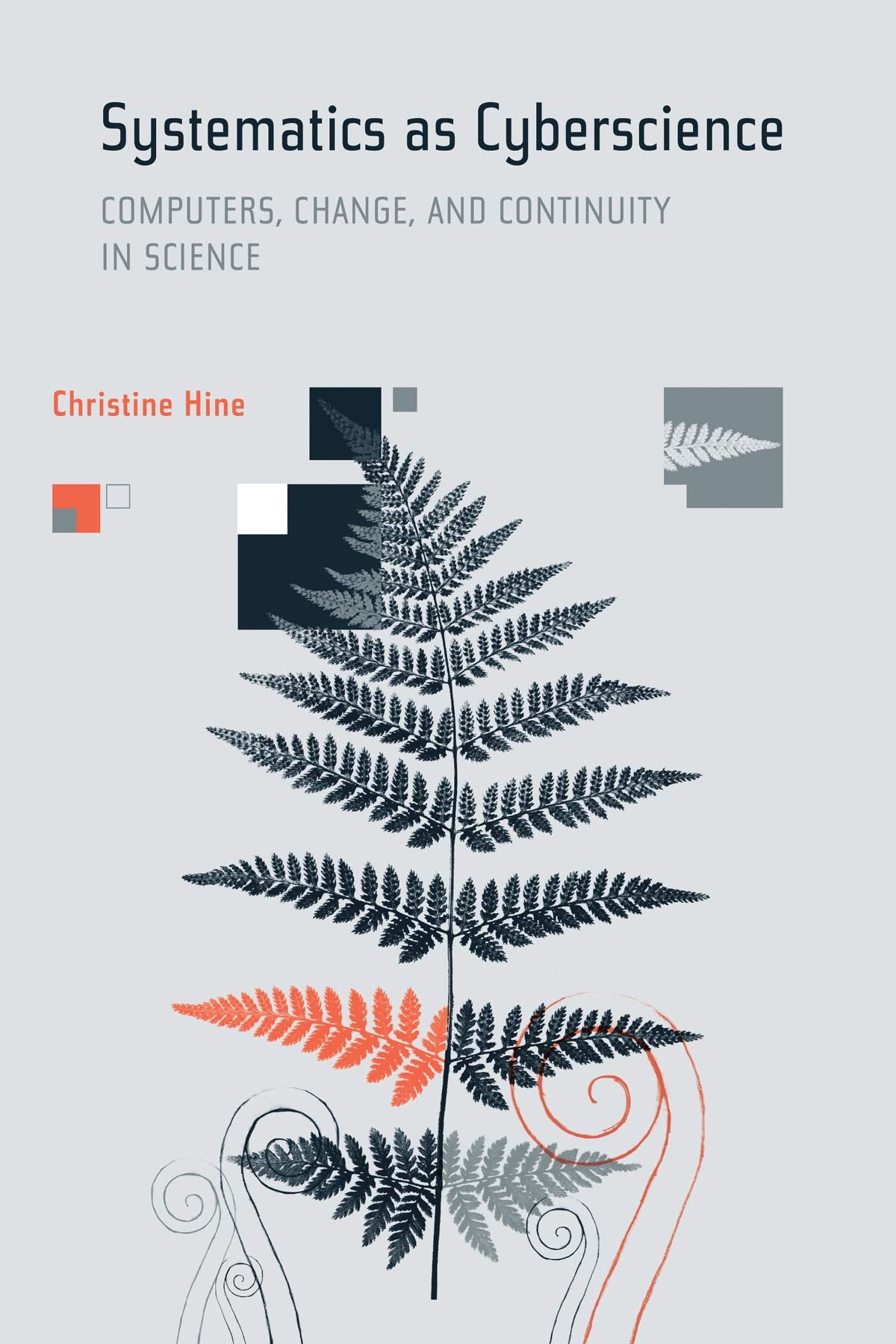
An exploration of the use of information and communication technologies by biologists working in systematics (taxonomy) and the dynamics of change and continuity with past practices in the development of systematics as a cyberscience.The use of information and communication technology in scientific research has been hailed as the means to a new largerscale, more efficient, and costeffective science. But although scientists increasingly use computers in their work and institutions have made massive investments in technology, we still have little idea how computing affects the way scientists work and the kind of knowledge they produce. In Systematics as Cyberscience, Christine Hine explores these questions by examining the developing use of information and communication technology in one discipline, systematics (which focuses on the classification and naming of organisms and exploration of evolutionary relationships). Her sociological study of the ways that biologists working in this field have engaged with new technology is an account of how one of the oldest branches of science transformed itself into one of the newest and became a cyberscience.Combining an ethnographic approach with historical review and textual analysis, Hine investigates the emergence of a virtual culture in systematics and how that new culture is entwined with the field's existing practices and priorities. Hine examines the policy perspective on technological change, the material culture of systematics (and how the virtual culture aligns with it), communication practices with new technology, and the complex dynamics of change and continuity on the institutional level. New technologies have stimulated reflection on the future of systematics and prompted calls for radical transformation, but the outcomes are thoroughly rooted in the heritage of the discipline. Hine argues that to understand the impact of information and communication technology in science we need to take account of the many complex and conflicting pressures that contemporary scientists navigate. The results of technological developments are rarely unambiguous efficiency gains, and are highly disciplinespecific.
⚠️ WARNING (California Proposition 65):
This product may contain chemicals known to the State of California to cause cancer, birth defects, or other reproductive harm.
For more information, please visit www.P65Warnings.ca.gov.