
Title
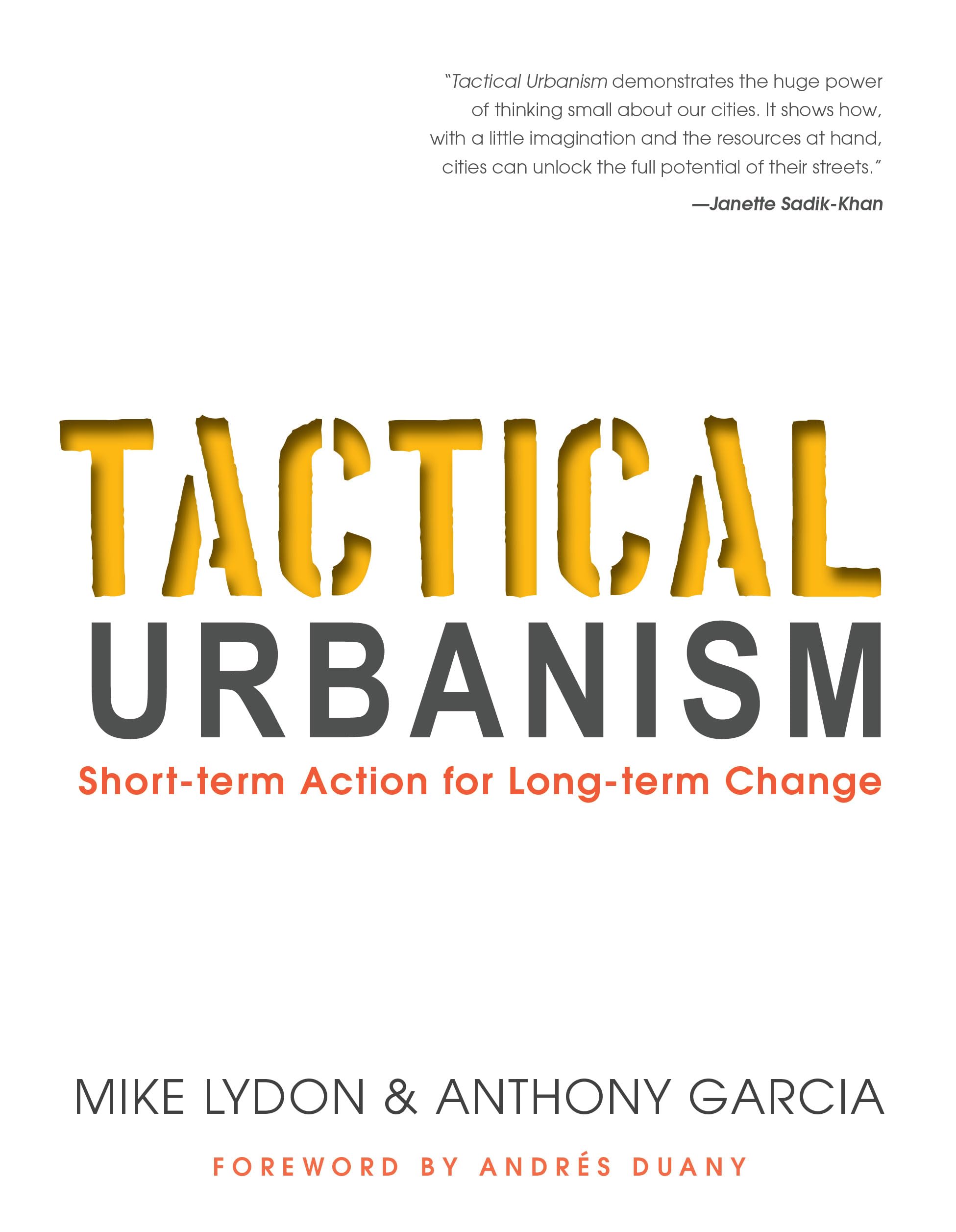
Tactical Urbanism: Shortterm Action for Longterm Change,New
Sold by Ergodebooks, an authorized reseller.
Returns accepted within 30 days | support@ergodebooks.com
Shipping Information
- Free Standard Shipping — United States only
- Processing Time: 3–5 business days
- Estimated Delivery: 6–10 business days after dispatch
- Double-boxed, fully insured & discreetly packaged
- Tracking number sent via email once dispatched
Returns & Refund
Returns accepted within 30 days of delivery.
Damaged or Defective Item
Free return shipping + replacement or full refund
Wrong Item Received
Free return shipping + replacement or full refund
Change of Mind
Return shipping at customer's expense · 25% restocking fee applies
Payment Option

In the twentyfirst century, cities worldwide must respond to a growing and diverse population, evershifting economic conditions, new technologies, and a changing climate. Shortterm, communitybased projectsfrom popup parks to open streets initiativeshave become a powerful and adaptable new tool of urban activists, planners, and policymakers seeking to drive lasting improvements in their cities and beyond. These quick, often lowcost, and creative projects are the essence of the Tactical Urbanism movement. Whether creating vibrant plazas seemingly overnight or reimagining parking spaces as neighborhood gathering places, they offer a way to gain public and government support for investing in permanent projects, inspiring residents and civic leaders to experience and shape urban spaces in a new way.Tactical Urbanism, written by Mike Lydon and Anthony Garcia, two founders of the movement, promises to be the foundational guide for urban transformation. The authors begin with an indepth history of the Tactical Urbanism movement and its place among other social, political, and urban planning trends. A detailed set of case studies, from guerilla wayfinding signs in Raleigh, to pavement transformed into parks in San Francisco, to a street art campaign leading to a new streetcar line in El Paso, demonstrate the breadth and scalability of tactical urbanism interventions. Finally, the book provides a detailed toolkit for conceiving, planning, and carrying out projects, including how to adapt them based on local needs and challenges.Tactical Urbanism will inspire and empower a new generation of engaged citizens, urban designers, land use planners, architects, and policymakers to become key actors in the transformation of their communities.
⚠️ WARNING (California Proposition 65):
This product may contain chemicals known to the State of California to cause cancer, birth defects, or other reproductive harm.
For more information, please visit www.P65Warnings.ca.gov.
- Q: What is the main focus of the book Tactical Urbanism? A: The book Tactical Urbanism focuses on short-term, community-based projects that aim to drive lasting improvements in urban spaces, addressing challenges like population growth, economic shifts, and climate change.
- Q: Who are the authors of Tactical Urbanism? A: The authors of Tactical Urbanism are Mike Lydon and Anthony Garcia, both of whom are founders of the Tactical Urbanism movement.
- Q: How many pages does Tactical Urbanism have? A: Tactical Urbanism has a total of 256 pages.
- Q: What type of binding is used for the Tactical Urbanism book? A: The Tactical Urbanism book is available in paperback binding.
- Q: When was Tactical Urbanism published? A: Tactical Urbanism was published on March 17, 2015.
- Q: What topics are covered in Tactical Urbanism? A: Tactical Urbanism covers the history of the movement, case studies of various urban interventions, and provides a toolkit for planning and executing community projects.
- Q: Is Tactical Urbanism suitable for urban designers and planners? A: Yes, Tactical Urbanism is designed to inspire and empower urban designers, land use planners, architects, and policymakers to engage in community transformation.
- Q: What kind of projects are discussed in the book? A: The book discusses projects such as pop-up parks, street art campaigns, and other creative, low-cost interventions that enhance urban spaces.
- Q: Can Tactical Urbanism help communities gain government support? A: Yes, the book illustrates how short-term projects can build public and government support for permanent urban improvements.
- Q: What is the condition of the book Tactical Urbanism? A: The condition of Tactical Urbanism is listed as new.