
Title
Tales In Context: Sefer Hama'Asim In Medieval Northern France (Raphael Patai Series In Jewish Folklore And Anthropology),Used
Sold by Ergodebooks, an authorized reseller.
Returns accepted within 30 days | support@ergodebooks.com
Shipping Information
- Free Standard Shipping — United States only
- Processing Time: 3–5 business days
- Estimated Delivery: 6–10 business days after dispatch
- Double-boxed, fully insured & discreetly packaged
- Tracking number sent via email once dispatched
Returns & Refund
Returns accepted within 30 days of delivery.
Damaged or Defective Item
Free return shipping + replacement or full refund
Wrong Item Received
Free return shipping + replacement or full refund
Change of Mind
Return shipping at customer's expense · 25% restocking fee applies
Payment Option

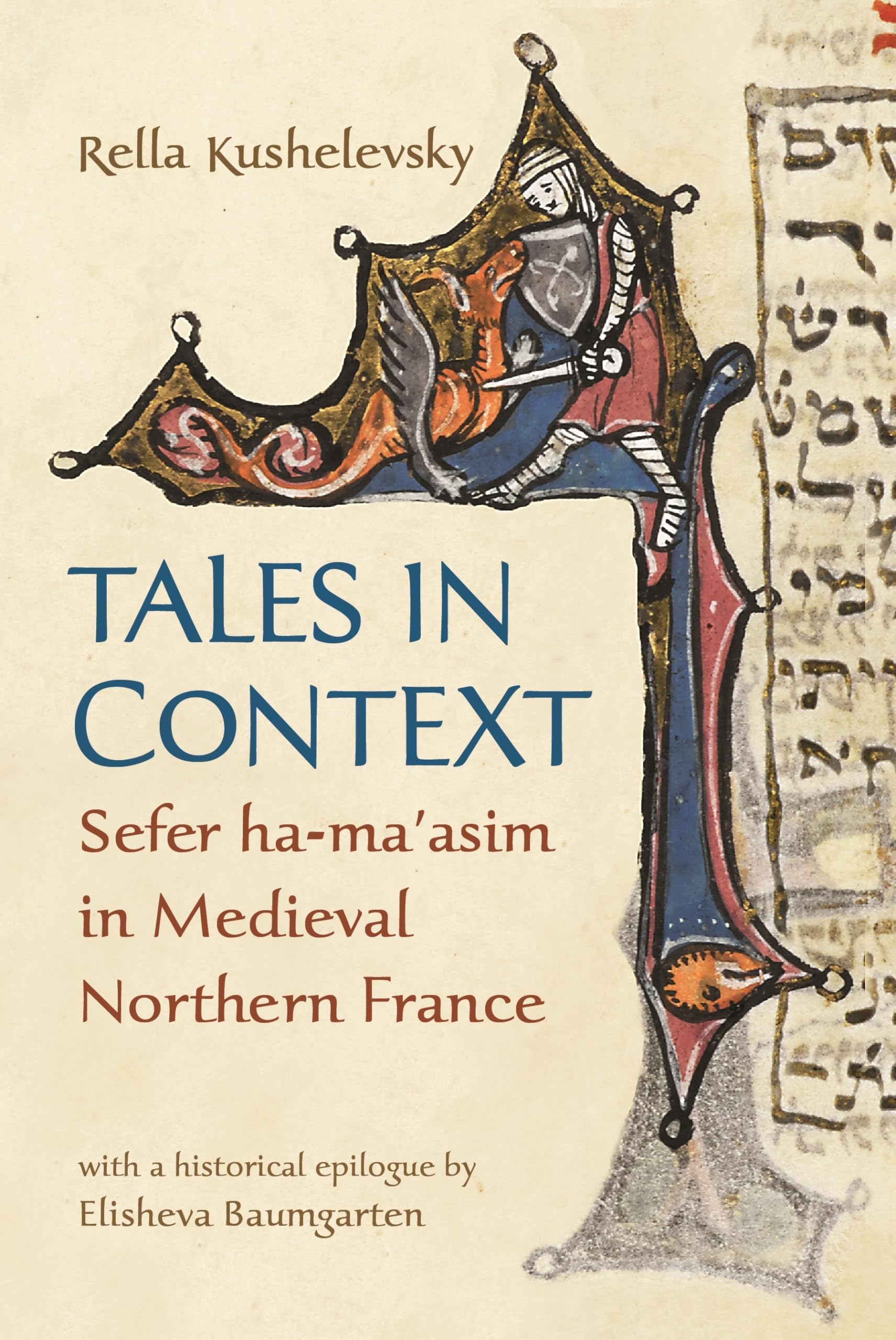
In the thirteenth century, an anonymous scribe compiled sixtynine tales that became Sefer hama'asim, the earliest compilation of Hebrew tales known to us in Western Europe. The author writes that the stories encompass 'descriptions of herbs that cure leprosy, a fairy princess with golden tresses using magic charms to heal her lover's wounds and restore him to life; a firebreathing dragon . . . a twoheaded creature and a giant's daughter for whom the rind of a watermelon containing twelve spies is no more than a speck of dust.' In Tales in Context: Sefer hama'asim in Medieval Northern France, Rella Kushelevsky enlightens the stories' meanings and reflects the circumstances and environment for Jewish lives in medieval France. Although a selection of tales was previously published, this is the first publication of a HebrewEnglish annotated edition in its entirety, revealing fresh insight.The first part of Kushelevsky's work, 'Cultural, Literary and Comparative Perspectives,' presents the thesis that Sefer hama'asim is a product of its time and place, and should therefore be studied within its literary and cultural surroundings, Jewish and vernacular, in northern France. An investigation of the scribe's techniques in reworking his Jewish and nonJewish sources into a medieval discourse supports this claim. The second part of the manuscript consists of the tales themselves, in Hebrew and English translation, including brief comparative comments or citations. The third part, 'An Analytical and Comparative Overview,' offers an analysis of each tale as an individual unit, contextualized within its medieval framework and against the background of its parallels. Elisheva Baumgarten's epilogue adds social and historical background to Sefer hama'asim and discusses new ways in which it and other story compilations may be used by historians for an inquiry into the everyday life of medieval Jews.The tales in Sefer hama'asim will be of special value to scholars of folklore and medieval European history and literature, as well as those looking to enrich their studies and shelves.
⚠️ WARNING (California Proposition 65):
This product may contain chemicals known to the State of California to cause cancer, birth defects, or other reproductive harm.
For more information, please visit www.P65Warnings.ca.gov.