
Title
Tales Of The Congaree,Used
Sold by Ergodebooks, an authorized reseller.
Returns accepted within 30 days | support@ergodebooks.com
Shipping Information
- Free Standard Shipping — United States only
- Processing Time: 3–5 business days
- Estimated Delivery: 6–10 business days after dispatch
- Double-boxed, fully insured & discreetly packaged
- Tracking number sent via email once dispatched
Returns & Refund
Returns accepted within 30 days of delivery.
Damaged or Defective Item
Free return shipping + replacement or full refund
Wrong Item Received
Free return shipping + replacement or full refund
Change of Mind
Return shipping at customer's expense · 25% restocking fee applies
Payment Option

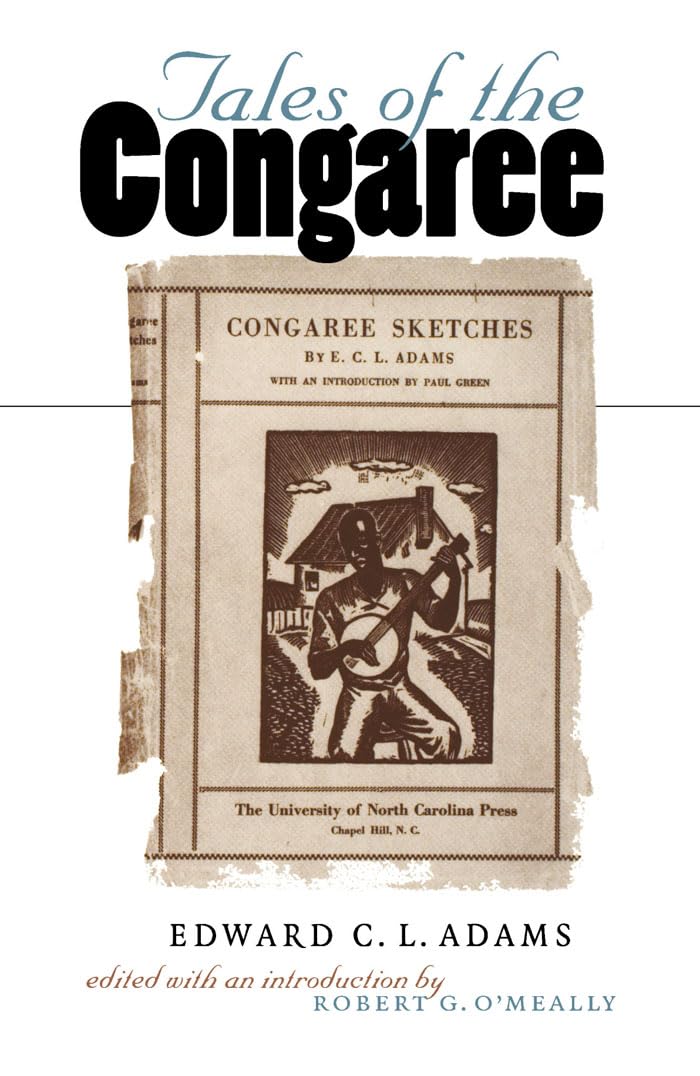
This volume brings back into print a remarkable record of black life in the 1920s, chronicled by Edward C.L. Adams, a white physician from the area around the Congaree River in central South Carolina. It reproduces Adams's major works, Congaree Sketches (1927) and Nigger to Nigger (1928), two collections of tales, poems, and dialogues from blacks who worked his land, presented in the black vernacular language. They are supplemented here by a play, Potee's Gal, and some brief sketches of poor whites.What sets Adams's tales apart from other such collections is the willingness of his black informants to share with him not only their stories of rabbits and 'hants' but also their feelings on such taboo subjects as lynchings, Jim Crow courts, and chain gangs. Adams retells these tales as if the blacks in them were talking only among themselves. Whites do not appear in these works, except as rare background figures and topics of conversation by Tad, Scip, and other black storytellers. As Tad says, 'We talkin' to we.'That Adams was permitted to hear such tales at all is part of the mystery that Robert O'Meally explains in his introduction. The key to the mystery is Adams's ability in his life, as in his works to wear both black and white masks. He remained a wellplaced member of white society at the same time that he was something of a maverick within it. His black informants therefore saw him not only as someone more likeable and trustworthy than most whites but also as someone who was in a position to help them in some way if he understood more about their lives.As a writer, O'Meally suggests, Adams was not simply an objective recorder of folklore. By donning a black mask, Adams was able to project attitudes and values that most whites of his place and time would have disavowed. As a result, his tales have a complexity and richness that make them an authentic witness to the black experience as well as a lasting contribution to American letters.
⚠️ WARNING (California Proposition 65):
This product may contain chemicals known to the State of California to cause cancer, birth defects, or other reproductive harm.
For more information, please visit www.P65Warnings.ca.gov.