
Title
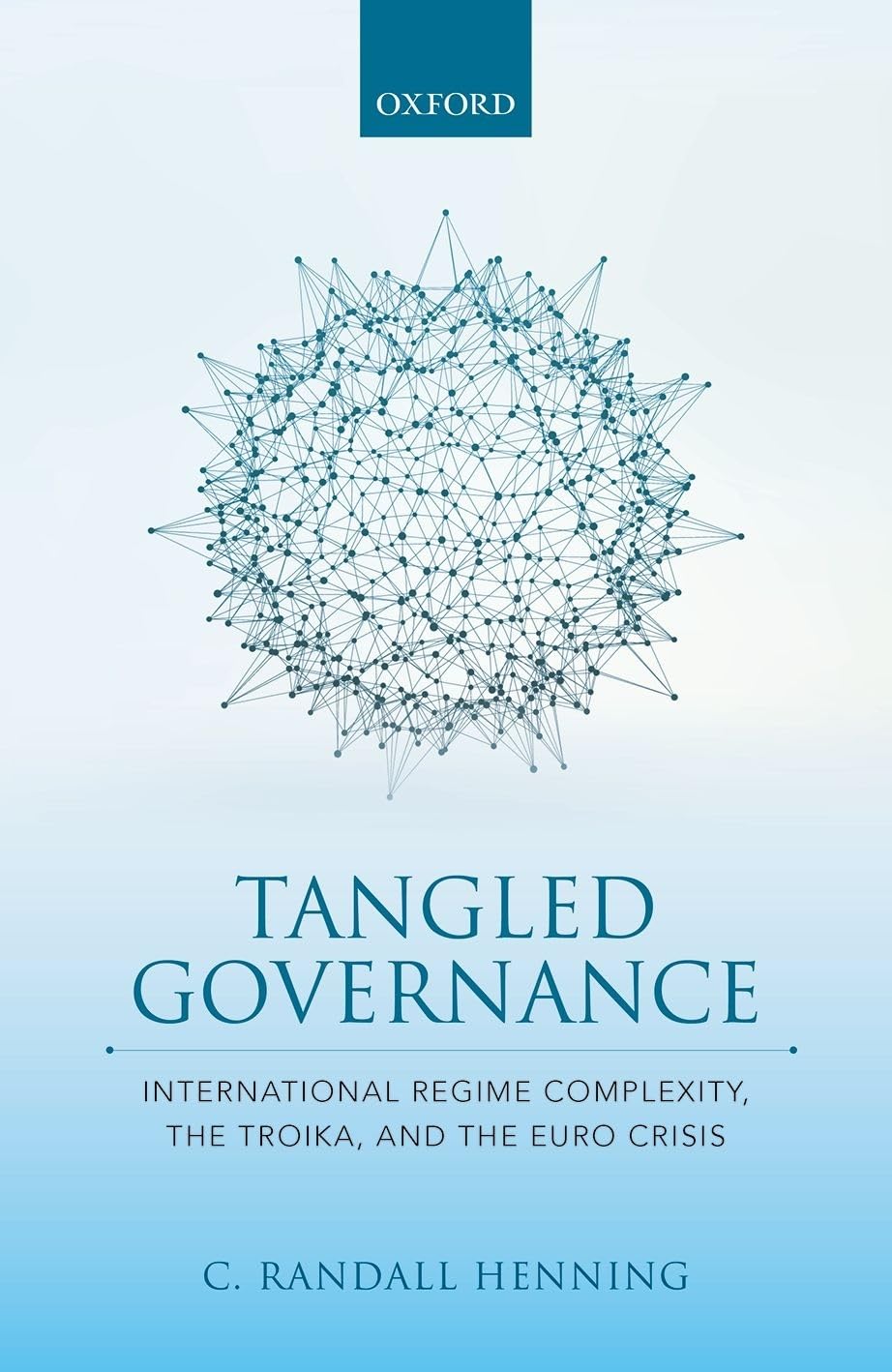
Tangled Governance: International Regime Complexity, the Troika, and the Euro Crisis,Used
Sold by Ergodebooks, an authorized reseller.
Returns accepted within 30 days | support@ergodebooks.com
Shipping Information
- Free Standard Shipping — United States only
- Processing Time: 3–5 business days
- Estimated Delivery: 6–10 business days after dispatch
- Double-boxed, fully insured & discreetly packaged
- Tracking number sent via email once dispatched
Returns & Refund
Returns accepted within 30 days of delivery.
Damaged or Defective Item
Free return shipping + replacement or full refund
Wrong Item Received
Free return shipping + replacement or full refund
Change of Mind
Return shipping at customer's expense · 25% restocking fee applies
Payment Option

Tangled Governance addresses the institutions that were deployed to fight the euro crisis, reestablish financial stability, and prevent contagion beyond Europe. The author addresses why European leaders chose to include the IMF and provides a detailed account of the decisions of the institutions that make up the 'Troika' (the European Commission, ECB, and IMF). He explains the institutions' negotiating strategies, the outcomes of their interaction, and the effectiveness of their cooperation. The book also explores the strategies of the member states, including Germany and the United States, with respect to the institutions and the advantages they sought in directing them to work together.The book locates the analysis within the framework of regime complexity, clusters of overlapping and intersecting regional and multilateral institutions. It tests conjectures spawned by that literature against the seven cases of financial rescues of euro area countries that were stricken by crisis during 20102015. Tangled Governance concludes that regime complexity is the consequence of a strategy by key states to control 'agency drift'. States mediate conflicts among institutions, through informal as well as formal mechanisms, and thereby limit fragmentation of the regime complex and underpin substantive efficacy. In so doing, the book answers several key puzzles, including why (a) Germany and other Northern European countries supported IMF inclusion despite substantive positions opposed to their economic preferences, (b) crisisfighting arrangements endured intense conflicts among the institutions, and (c) the United States and the IMF promoted further steps to 'complete' the monetary union.
⚠️ WARNING (California Proposition 65):
This product may contain chemicals known to the State of California to cause cancer, birth defects, or other reproductive harm.
For more information, please visit www.P65Warnings.ca.gov.