
Title
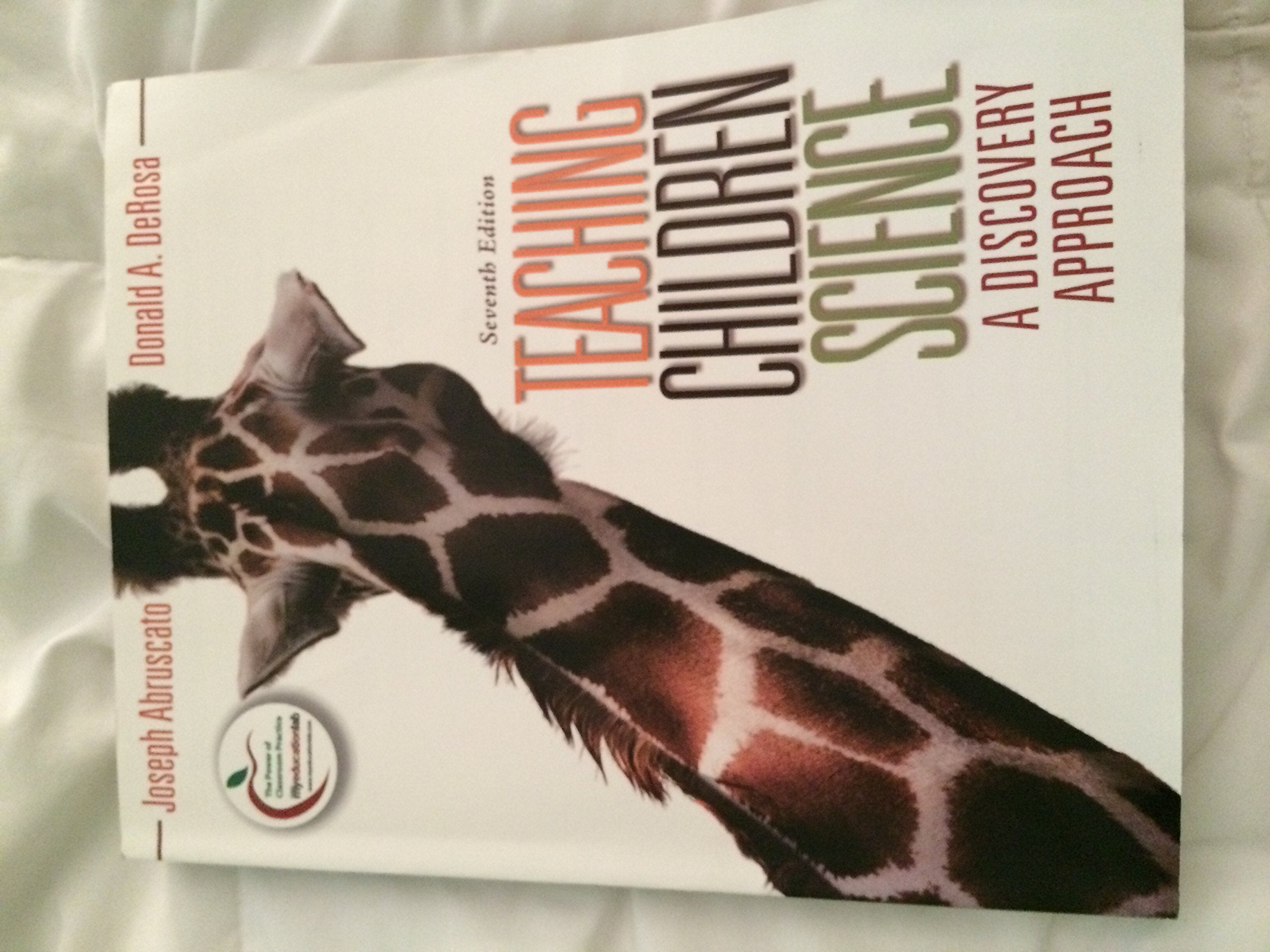
Teaching Children Science: A Discovery Approach (7th Edition),Used
Sold by Ergodebooks, an authorized reseller.
Returns accepted within 30 days | support@ergodebooks.com
Shipping Information
- Free Standard Shipping — United States only
- Processing Time: 3–5 business days
- Estimated Delivery: 6–10 business days after dispatch
- Double-boxed, fully insured & discreetly packaged
- Tracking number sent via email once dispatched
Returns & Refund
Returns accepted within 30 days of delivery.
Damaged or Defective Item
Free return shipping + replacement or full refund
Wrong Item Received
Free return shipping + replacement or full refund
Change of Mind
Return shipping at customer's expense · 25% restocking fee applies
Payment Option

Science is a quest for explanations. This popular text continues to encourage teachers to help their students learn through discovery, while also providing content on the latest techniques in science teaching. This edition has been thoroughly revised and features a new coauthor, Dr. Donald DeRosa of Boston University and a larger trim size and paperback binding for a fresher, more open feel.The book continues to use its wellregarded pedagogy to help students to learn science. They are: A Look Aheadtopics to be discussed in the chapter Make the CaseA reflective exercise that can be done individually or as a group. SummaryA review of the main ideas in the chapter. Going FurtherLearning activities for further study Resources for Discovery LearningA listing of websites, books, and articles for further reference.This establishes a solid foundation in science pedagogy upon which they can build in later years.The 5 Es of Learning and Universal Design for Learning have been added to this edition and every chapter correlates to the NSE Content Standards. A new chapter on using technology in the classroom continues to build on the authors belief that technology can enhance learning in the science classroom. The new package includes links to video and web resources on the MyEducationLab website.New To This Edition:NEW! Features a new coauthor in this editionDr. Donald DeRosa of Boston University.NEW! A new paperback binding and larger 8 x 11 trim size gives the book a fresher and more open feel.NEW! Includes a new chapter (Chapter 8) Using Technology to Enhance Science Learning.NEW! Gives an increased focus on technology/multimedia, engineering, and energy conservationIncludes a new Part IV on The Technological Sciences and more earthfriendly and green science activities in this edition.NEW! Fully integrated packageEach chapter correlates to video and web resources within the MyEducationLab website. The MyLab series from Pearson offers innovative homework, student assessment, and multimedia instructional tools designed to enrich the learning experience and improve course outcomes. With detailed gradebook and customization options, instructors can easily monitor student progress and save valuable time.NEW! Includes The 5 Es Learning CycleThe 5 Es learning cycle is an instructional design model that presents a framework for constructivist learning theories that can be effectively used in teaching science. EngageThe task is introduced. Using connections to past learning, demonstrations of an event, and asking pointed questions, the teacher can spark the students interest right away. ExploreWhile the teacher facilitates, students take part in handson activities that allow them to work with materials. Questioning, sharing and communication with other learners should be encouraged during this stage. ExplainHere the focus is on analysis. Students are encouraged to put observations, questions, hypotheses, and experiences into language. Communication between students and groups will aid student learning. Again, the teacher is the facilitator, leading discussions, asking questions, giving definitions, of helping students find the right words to describe their experiences. Elaborate/ExtendNow students should be encouraged build and expand upon what they have learned so far, making deductions and inferences. They can apply what they have learned to real world situations. EvaluateEvaluation should be ongoing and should occur at all stages, in order to determine that learning objectives have been met. The teacher can use any assessment tool that they deem appropriate. At this time the teacher should encourage further study that builds upon what has been learned.NEW! Universal Design for Learning will be incorporated in Chapter 9 Adapting the Science Curriculum Universal design is an approach to designing course instruction, materials, and content to benefit students of all learning styles. Unive
⚠️ WARNING (California Proposition 65):
This product may contain chemicals known to the State of California to cause cancer, birth defects, or other reproductive harm.
For more information, please visit www.P65Warnings.ca.gov.