If you have any questions, you are always welcome to contact us. We'll get back to you as soon as possible, withing 24 hours on weekdays.
Customer service
All questions about your order, return and delivery must be sent to our customer service team by e-mail at yourstore@yourdomain.com
Sale & Press
If you are interested in selling our products, need more information about our brand or wish to make a collaboration, please contact us at press@yourdomain.com
Help
If you have any questions, you are always welcome to contact us. We'll get back to you as soon as possible, withing 24 hours on weekdays.
Customer service
All questions about your order, return and delivery must be sent to our customer service team by e-mail at yourstore@yourdomain.com
Sale & Press
If you are interested in selling our products, need more information about our brand or wish to make a collaboration, please contact us at press@yourdomain.com
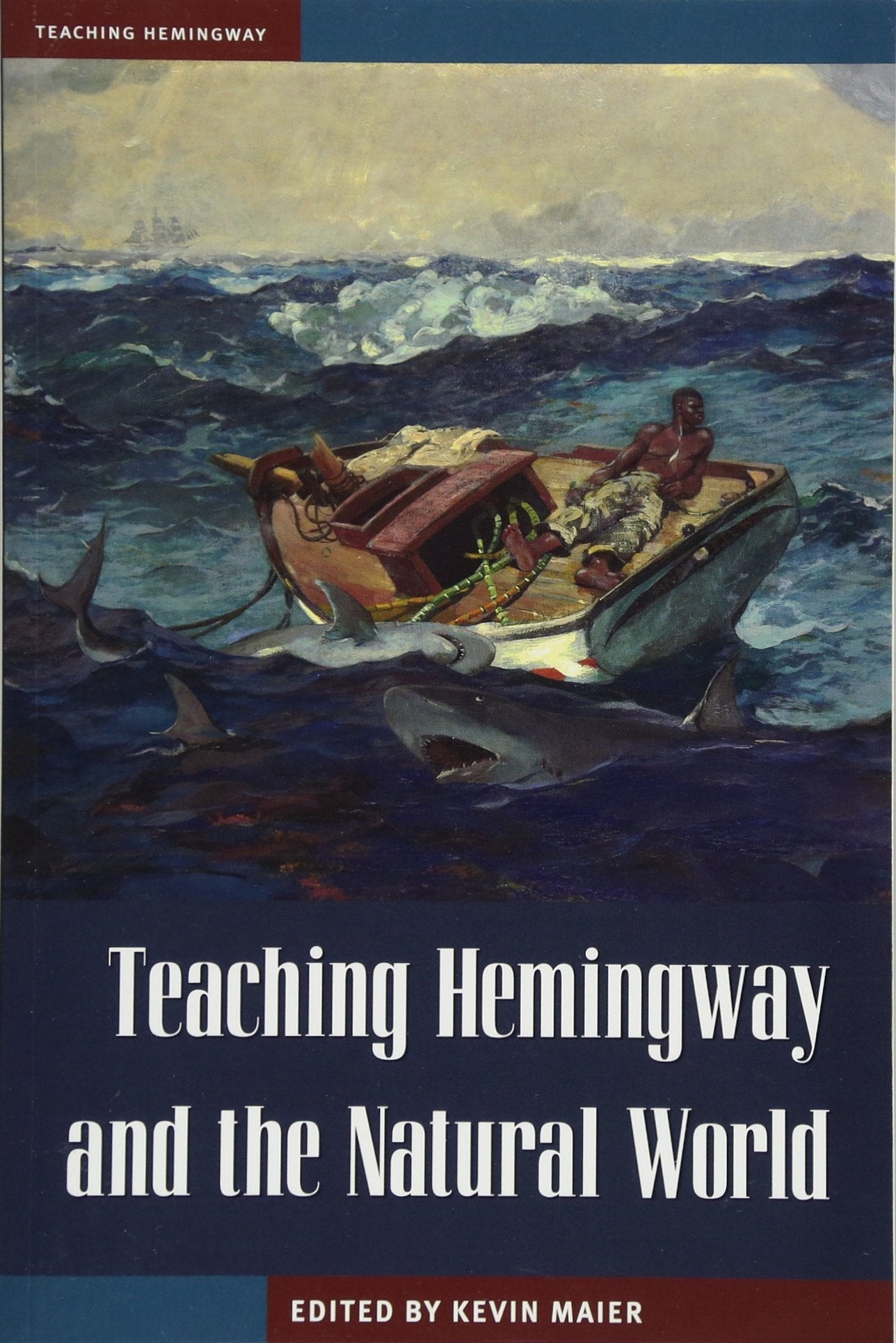
Ernest Hemingway is a writer we often associate with particular places and animals; Michigans Upper Peninsula, Spains countryside, East Africas game reserves, Cubas blue water, and Idahos sagebrush all come to mind. We can easily visualize the iconic images of Hemingway with fly rod bent by hefty trout, with bulls charging matadors, or of the famous author proudly posing with trophy lions, marlin, and a menagerie of Western American game animals.As Robert E. Fleming once put itupdating Gertrude Steins famous quip that Hemingway looked like a modern and smelled of museumsHemingway was also a hunter, fisherman, and naturalist who smelled of libraries. Hemingway indeed read widely in natural history and science, as well as the literature of field sports. This lifelong interest in the natural world and its inhabitants manifests itself in Hemingways writing in myriad ways. From the trout Nick Adams carefully releases to Santiagos marlin and Robert Jordans heart beating against the pine needle floor of the forest to Colonel Cantwells beloved Italian duck marshes, and from African savannahs to the Gulf Stream, animals and environments are central to Hemingways work and life.While these representations often served as background for broader humancentered matters in early scholarship, contemporary critics have opted to treat animals and environments directly. Teaching Hemingway and the Natural World marks a key entry in Hemingway studies, bringing the questions from the rapidly evolving field of environmental literary studies to bear on Hemingways places, animals, and life. It not only advances scholarship on Hemingways relationship to the natural world, but it also facilitates bringing this understanding to the classroom.This latest volume in the Teaching Hemingway series explores how his writing sheds light on broader questions of the human relationship to the nonhuman world. Organized geographically, the 16 essays by leading scholars are divided into five sections about Hemingways favorite places. Each essay includes specific classroom advice as well as theoretically sophisticated close readings.
⚠️ WARNING (California Proposition 65):
This product may contain chemicals known to the State of California to cause cancer,
birth defects, or other reproductive harm.
For MAP (Minimum Advertised Price) violations and Intellectual Property (IP) or Trademark concerns, please contact:
support@ergodebooks.com
⚠️ California Proposition 65 Warning: Some products sold on this website may expose you to chemicals known to the State of California to cause cancer, birth defects, or other reproductive harm. For more information, visit www.P65Warnings.ca.gov.