
Title
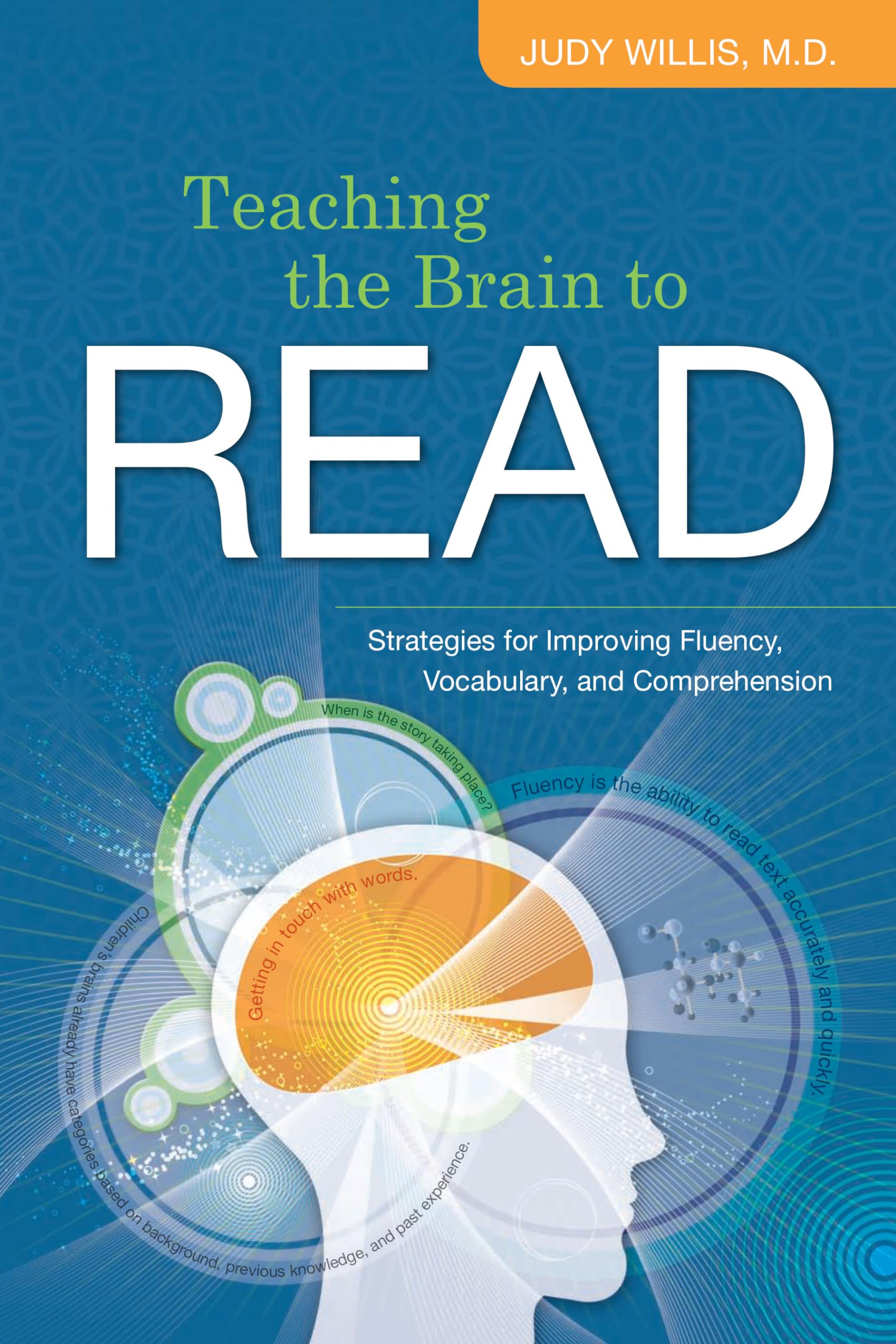
Teaching the Brain to Read: Strategies for Improving Fluency, Vocabulary, and Comprehension,New
Sold by Ergodebooks, an authorized reseller.
Returns accepted within 30 days | support@ergodebooks.com
Shipping Information
- Free Standard Shipping — United States only
- Processing Time: 3–5 business days
- Estimated Delivery: 6–10 business days after dispatch
- Double-boxed, fully insured & discreetly packaged
- Tracking number sent via email once dispatched
Returns & Refund
Returns accepted within 30 days of delivery.
Damaged or Defective Item
Free return shipping + replacement or full refund
Wrong Item Received
Free return shipping + replacement or full refund
Change of Mind
Return shipping at customer's expense · 25% restocking fee applies
Payment Option

Neurologist Judy Willis connects classroom practice to the neurology of reading and provides wholeclass and individualized activities, lessons, and units that you can use in every grade and subject to help all students become better readers.Reading comes easily to some students, but many struggle with some part of this complex process that requires many areas of the brain to operate together through an intricate network of neurons.As a classroom teacher who has also worked as a neurologist, Judy Willis offers a unique perspective on how to help students not only learn the mechanics of reading and comprehension, but also develop a love of reading. She shows the importance of establishing a nonthreatening environment and provides teaching strategies that truly engage students and help them* Build phonemic awareness* Manipulate patterns to improve reading skills* Improve reading fluency* Combat the stress and anxiety that can inhibit reading fluency* Increase vocabulary* Overcome reading difficulties that can interfere with comprehensionBy enriching your understanding of how the brain processes language, emotion, and other stimuli, this book will change the way you understand and teach reading skillsand help all your students become successful readers.
⚠️ WARNING (California Proposition 65):
This product may contain chemicals known to the State of California to cause cancer, birth defects, or other reproductive harm.
For more information, please visit www.P65Warnings.ca.gov.
- Q: How many pages does this book have? A: This book has one hundred ninety-four pages. It provides a comprehensive exploration of reading strategies for educators.
- Q: What is the binding type of this book? A: This book is paperback bound. This makes it lightweight and easy to handle for classroom use.
- Q: Who is the author of 'Teaching the Brain to Read'? A: The author is Judy Willis, a neurologist and educator. She combines her expertise in neurology with classroom practice.
- Q: What age group is this book suitable for? A: This book is suitable for educators of all grade levels. It offers strategies applicable across various ages and subjects.
- Q: Are there specific strategies included in the book? A: Yes, the book includes strategies for building phonemic awareness and improving reading fluency. These strategies are designed to engage students effectively.
- Q: How can I apply the strategies in my classroom? A: You can apply these strategies through whole-class and individualized activities. The book provides actionable lessons for diverse learning needs.
- Q: What should I do to keep the book in good condition? A: To keep the book in good condition, store it in a dry place and avoid exposure to direct sunlight. This prevents fading and wear.
- Q: Is this book safe for young readers? A: Yes, the content is educational and suitable for young readers. It focuses on improving reading skills without inappropriate content.
- Q: What if the book arrives damaged? A: If the book arrives damaged, you should contact the seller for a return or replacement. Most sellers have a return policy for damaged items.
- Q: Can I use this book for professional development? A: Yes, this book is an excellent resource for professional development. It enhances educators' understanding of reading processes and teaching methods.
- Q: Does this book address reading difficulties? A: Yes, it addresses reading difficulties and provides techniques to help overcome them. This is crucial for students struggling with comprehension.
- Q: Is there a specific teaching approach recommended in the book? A: Yes, the book emphasizes a nonthreatening environment and engaging teaching strategies. This approach fosters a love of reading among students.
- Q: What are the dimensions of the book? A: The book measures five point nine one inches in length, eight point seven inches in height, and zero point five one inches in width. These dimensions make the book portable.
- Q: What genre does this book belong to? A: This book belongs to the genre of education and pedagogy. It focuses on reading strategies and cognitive processes in learning.
- Q: Are there any illustrations or visuals in the book? A: The book primarily contains text with some visual aids. These aids support the strategies and activities discussed throughout the book.