
Title
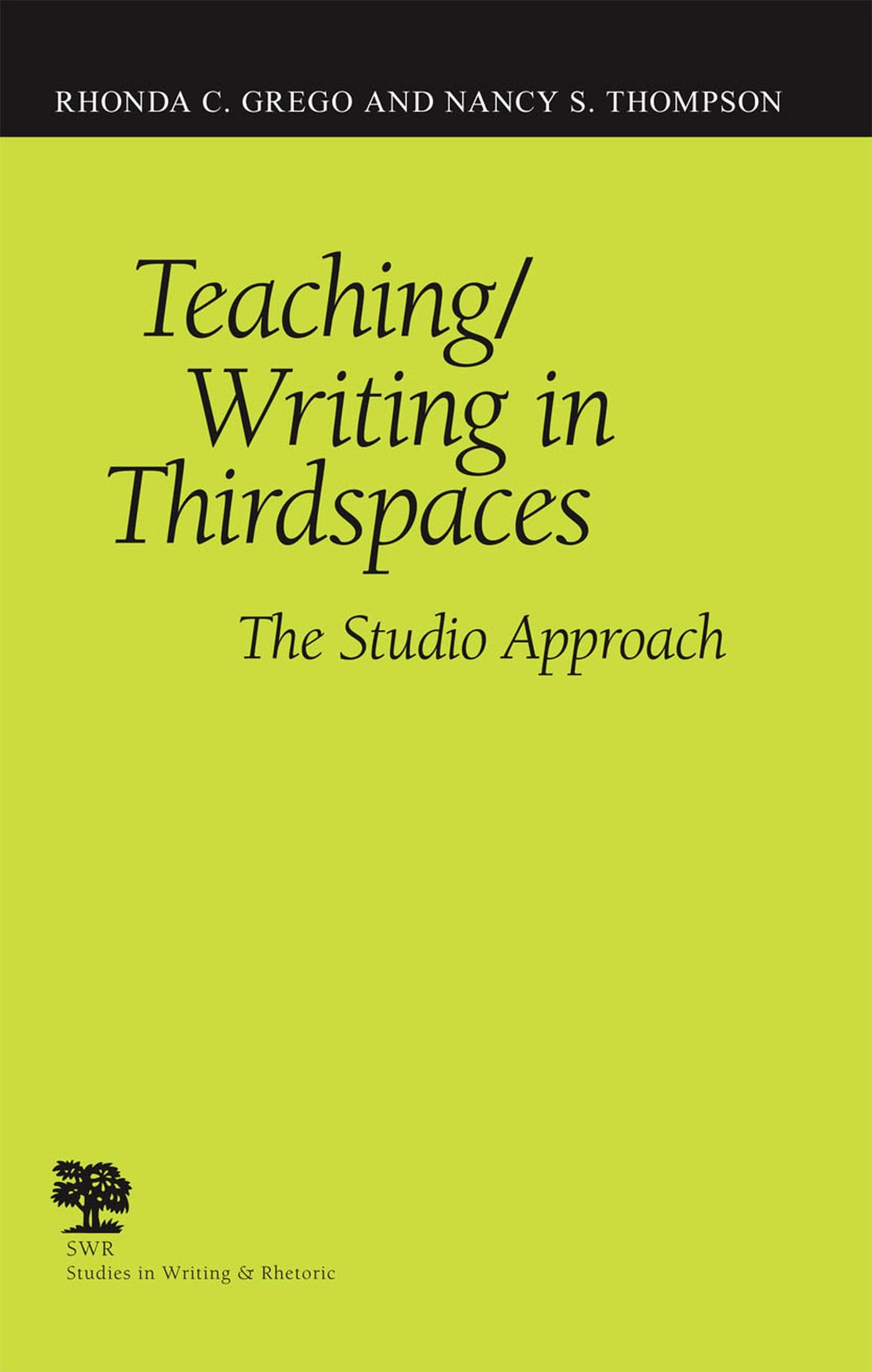
Teaching/Writing In Thirdspaces: The Studio Approach (Studies In Writing And Rhetoric),Used
Sold by Ergodebooks, an authorized reseller.
Returns accepted within 30 days | support@ergodebooks.com
Shipping Information
- Free Standard Shipping — United States only
- Processing Time: 3–5 business days
- Estimated Delivery: 6–10 business days after dispatch
- Double-boxed, fully insured & discreetly packaged
- Tracking number sent via email once dispatched
Returns & Refund
Returns accepted within 30 days of delivery.
Damaged or Defective Item
Free return shipping + replacement or full refund
Wrong Item Received
Free return shipping + replacement or full refund
Change of Mind
Return shipping at customer's expense · 25% restocking fee applies
Payment Option

Teaching/Writing in Thirdspaces: The Studio Approach examines a dynamic approach to teaching composition that reimagines not only the physical space in which writing and learning occurs but also the place occupied by composition in the power structure of universities and colleges.In response to financial and programmatic cutbacks at the University of South Carolina in the 1990s, authors Rhonda C. Grego and Nancy S. Thompson used their academic backgrounds in composition and English education, along with their personal histories in workingclass families, to look at compositional spaces and places with an eye to challenging the embedded issues of race, class, and gender within the university hierarchies. The result was a supplemental writing program that they called the writing studio.The studio model emphasizes individual participation in a small group that allows students to present work they are preparing for outside classes, discuss their challenges, and refine their ideas with other students and staff facilitators. This interactional inquiry is replicated and reinforced by the facilitators, who meet in their own small groups to analyze larger patterns, possibilities, and needs as they arise in their studios.Grego and Thompson argue that because the studio is physically and institutionally outside but alongside both students other coursework and the hierarchy of the institution, it represents a thirdspace, a unique position in which to effect institutional change. The focus on interactional inquiry challenges traditional power hierarchies within classrooms and shifts the nature of discourse. As a bottomup approach to the development of educational programs within institutions that have different needs, demographies, and histories, the studio model can address a multitude of different institutional needs with little disruption to the curriculum.The studio model allows university administrators, teachers, student aides, and students to continually adapt to changing institutional environments with new teaching and learning strategies. Teaching/Writing in Thirdspaces provides an alternative approach to traditional basic writing courses that can be adopted in educational institutions of all types and at all levels.
⚠️ WARNING (California Proposition 65):
This product may contain chemicals known to the State of California to cause cancer, birth defects, or other reproductive harm.
For more information, please visit www.P65Warnings.ca.gov.