
Title
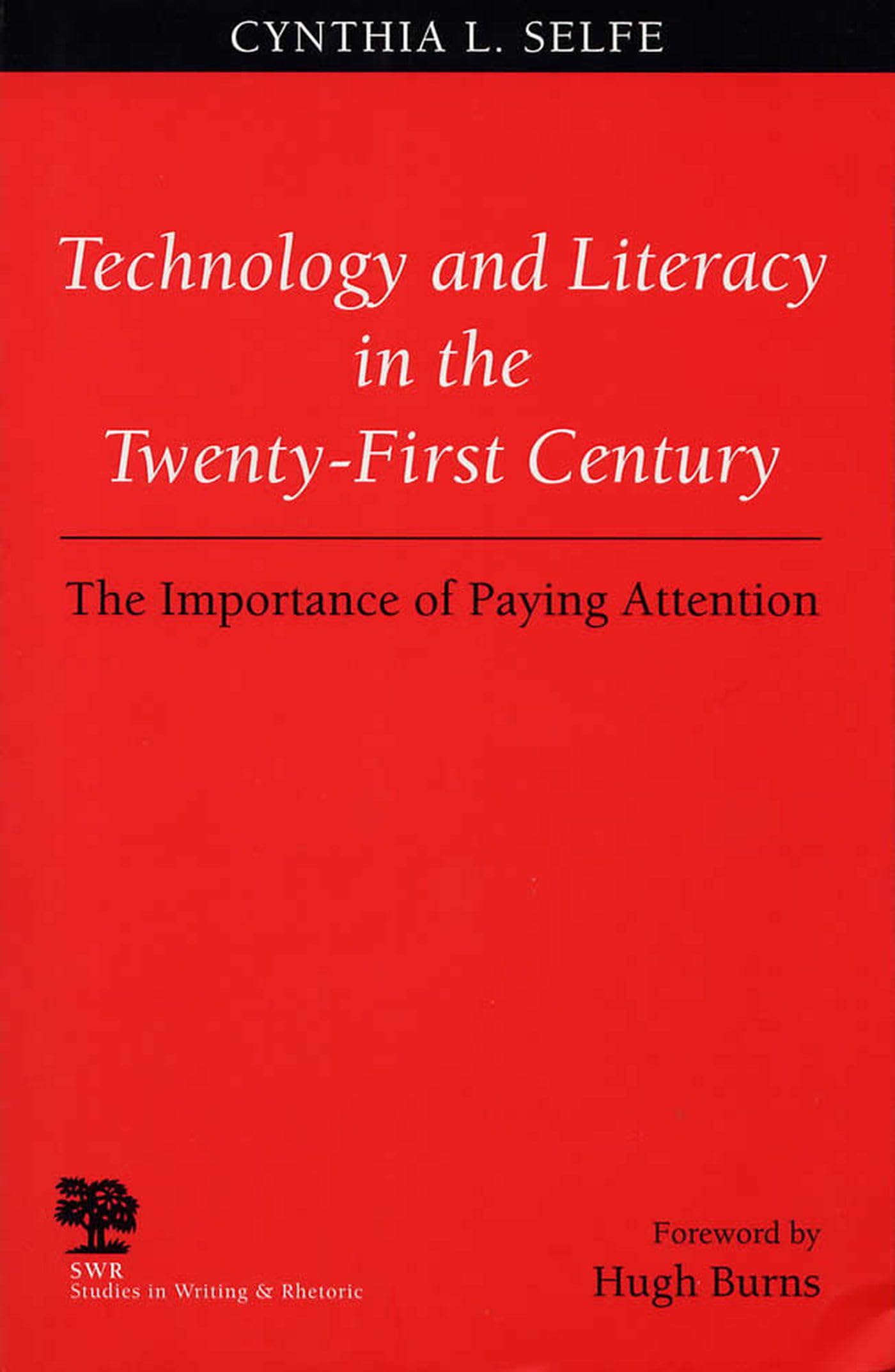
Technology and Literacy in the 21st Century: The Importance of Paying Attention (Studies in Writing and Rhetoric),New
Sold by Ergodebooks, an authorized reseller.
Returns accepted within 30 days | support@ergodebooks.com
Shipping Information
- Free Standard Shipping — United States only
- Processing Time: 3–5 business days
- Estimated Delivery: 6–10 business days after dispatch
- Double-boxed, fully insured & discreetly packaged
- Tracking number sent via email once dispatched
Returns & Refund
Returns accepted within 30 days of delivery.
Damaged or Defective Item
Free return shipping + replacement or full refund
Wrong Item Received
Free return shipping + replacement or full refund
Change of Mind
Return shipping at customer's expense · 25% restocking fee applies
Payment Option

Part critique of existing policy and practice, part calltoaction, Technology and Literacy in the TwentyFirst Century explores the complex linkage between technology and literacy that has come to characterize American culture and its public educational system at the end of the twentieth century.To provide a specific case study of this complex cultural formation, awardwinning educator Cynthia L. Selfe discusses the Technology Literacy Challenge, an official, federally sponsored literacy project begun in 1996 that has changedat fundamentally important levelsthe definition of literacy and the practices recognized as constituting literate behavior in America. Selfe tries to identify the effects of this new literacy agenda, focusing specifically on what she calls 'serious and shameful' inequities it fosters in our culture and in the public education system: among them, the continuing presence of racism, poverty, and illiteracy.She describes how the national project to expand technological literacy came about, what effects it has yielded, why the American public has supported this project, and how teachers of English, language arts, and composition have contributed to this project, despite their best intentions.A primary goal of this study is to make teachers of English and composition increasingly aware of the new literacy agenda and to suggest how they might positively influence its shape and future direction, both in the classroom and in the community. This awareness is an integral part of educators' larger professional responsibility to understand the way in which our culture thinks about and values literacy. Perhaps even more important, argues Selfe, this awareness is part of teachers' ethical responsibility to understand how literacy and literacy instruction directly and continually affect the lived experiences of the individuals and families with whom teachers interact.
⚠️ WARNING (California Proposition 65):
This product may contain chemicals known to the State of California to cause cancer, birth defects, or other reproductive harm.
For more information, please visit www.P65Warnings.ca.gov.