If you have any questions, you are always welcome to contact us. We'll get back to you as soon as possible, withing 24 hours on weekdays.
Customer service
All questions about your order, return and delivery must be sent to our customer service team by e-mail at yourstore@yourdomain.com
Sale & Press
If you are interested in selling our products, need more information about our brand or wish to make a collaboration, please contact us at press@yourdomain.com
Help
If you have any questions, you are always welcome to contact us. We'll get back to you as soon as possible, withing 24 hours on weekdays.
Customer service
All questions about your order, return and delivery must be sent to our customer service team by e-mail at yourstore@yourdomain.com
Sale & Press
If you are interested in selling our products, need more information about our brand or wish to make a collaboration, please contact us at press@yourdomain.com
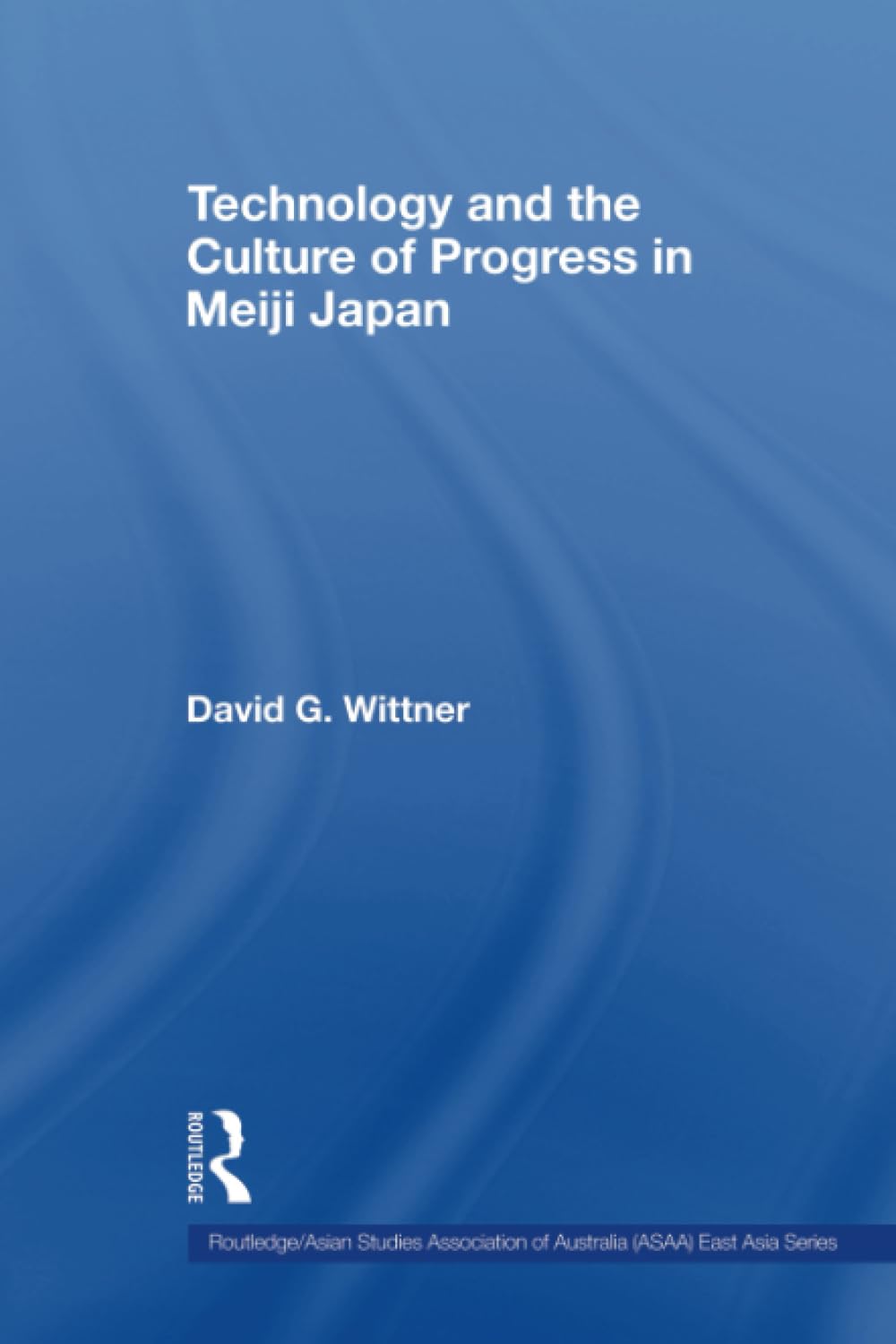
In this book David Wittner situates Japans Meiji Era experience of technology transfer and industrial modernization within the realm of culture, politics, and symbolism, examining how nineteenth century beliefs in civilization and enlightenment influenced the process of technological choice.Through case studies of the iron and silk industries, Wittner argues that the Meiji governments guiding principle was not simply economic development or providing a technical model for private industry as is commonly claimed. Choice of technique was based on the ability of a technological artifact to import Western 'civilization' to Japan: Meiji officials technological choices were firmly situated within perceptions of authority, modernity, and their varying political agendas. Technological artifacts could also be used as instruments of political legitimization. By late the Meiji Era, the former icons of Western civilization had been transformed into the symbols of Japanese industrial and military might.A fresh and engaging reexamination of Japanese industrialization within the larger framework of the Meiji Era, this book will appeal to scholars and students of science, technology, and society as well as Japanese history and culture.
⚠️ WARNING (California Proposition 65):
This product may contain chemicals known to the State of California to cause cancer,
birth defects, or other reproductive harm.
For MAP (Minimum Advertised Price) violations and Intellectual Property (IP) or Trademark concerns, please contact:
support@ergodebooks.com
⚠️ California Proposition 65 Warning: Some products sold on this website may expose you to chemicals known to the State of California to cause cancer, birth defects, or other reproductive harm. For more information, visit www.P65Warnings.ca.gov.