
Title
Television After Tv: Essays On A Medium In Transition (Consoleing Passions),Used
Sold by Ergodebooks, an authorized reseller.
Returns accepted within 30 days | support@ergodebooks.com
Shipping Information
- Free Standard Shipping — United States only
- Processing Time: 3–5 business days
- Estimated Delivery: 6–10 business days after dispatch
- Double-boxed, fully insured & discreetly packaged
- Tracking number sent via email once dispatched
Returns & Refund
Returns accepted within 30 days of delivery.
Damaged or Defective Item
Free return shipping + replacement or full refund
Wrong Item Received
Free return shipping + replacement or full refund
Change of Mind
Return shipping at customer's expense · 25% restocking fee applies
Payment Option

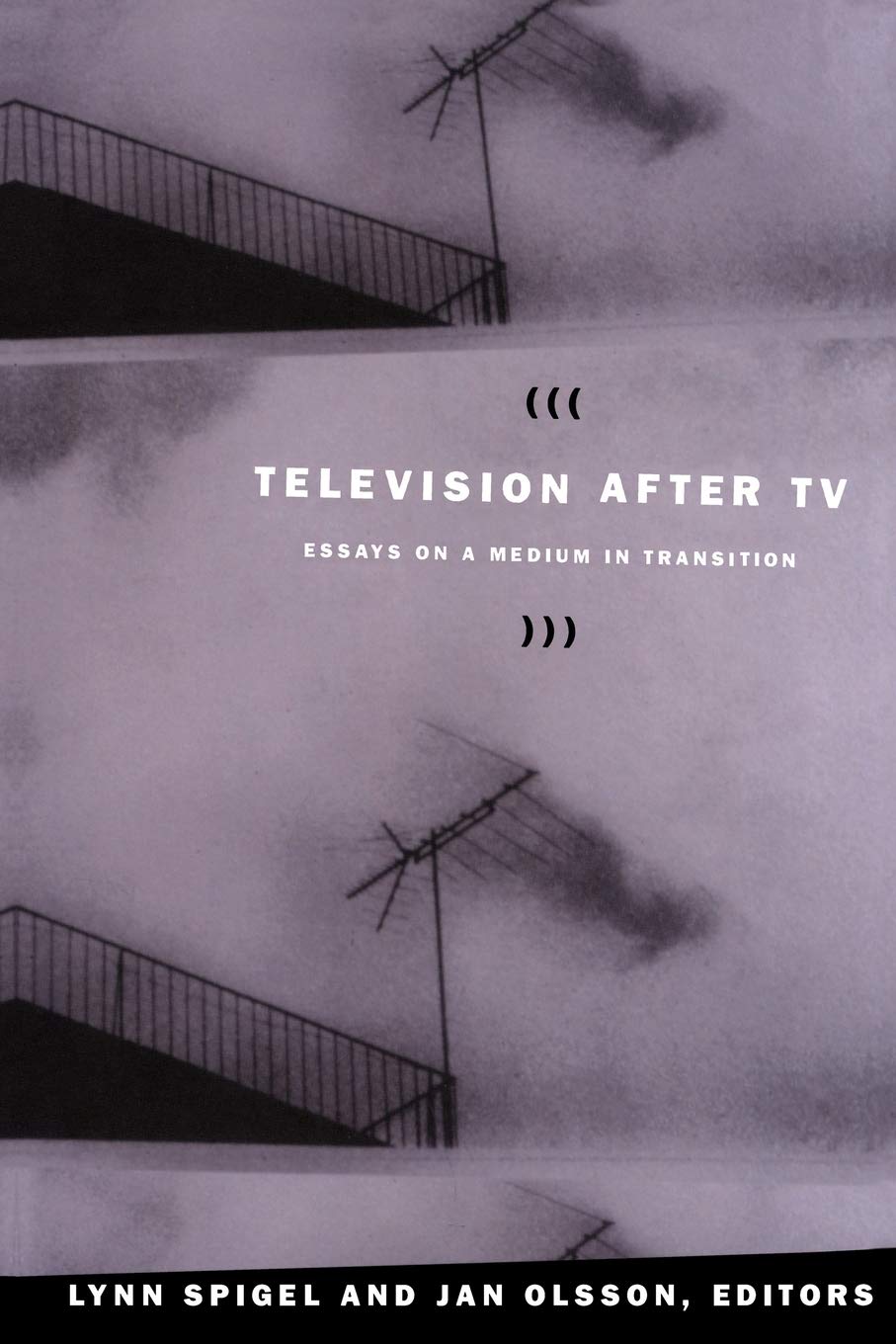
In the last ten years, television has reinvented itself in numerous ways. The demise of the U.S. threenetwork system, the rise of multichannel cable and global satellite delivery, changes in regulation policies and ownership rules, technological innovations in screen design, and the development of digital systems like TiVo have combined to transform the practice we call watching tv. If tv refers to the technologies, program forms, government policies, and practices of looking associated with the medium in its classic public service and threenetwork age, it appears that we are now entering a new phase of television. Exploring these changes, the essays in this collection consider the future of television in the United States and Europe and the scholarship and activism focused on it.With historical, critical, and speculative essays by some of the leading television and media scholars, Television after TV examines both commercial and public service traditions and evaluates their dual (and some say merging) fates in our global, digital culture of convergence. The essays explore a broad range of topics, including contemporary programming and advertising strategies, the use of television and the Internet among diasporic and minority populations, the innovations of new technologies like TiVo, the rise of program forms from reality tv to lifestyle programs, televisions changing role in public places and at home, the Internets use as a means of social activism, and televisions role in education and the arts. In dialogue with previous media theorists and historians, the contributors collectively rethink the goals of media scholarship, pointing toward new ways of accounting for televisions past, present, and future.Contributors. William Boddy, Charlotte Brunsdon, John T. Caldwell, Michael Curtin, Julie DAcci, Anna Everett, Jostein Gripsrud, John Hartley, Anna McCarthy, David Morley, Jan Olsson, Priscilla Pea Ovalle, Lisa Parks, Jeffrey Sconce, Lynn Spigel, William Uricchio
⚠️ WARNING (California Proposition 65):
This product may contain chemicals known to the State of California to cause cancer, birth defects, or other reproductive harm.
For more information, please visit www.P65Warnings.ca.gov.