
Title
Television And Culture In Putin'S Russia (Basees/Routledge Series On Russian And East European Studies)
Sold by Ergodebooks, an authorized reseller.
Returns accepted within 30 days | support@ergodebooks.com
Shipping Information
- Free Standard Shipping — United States only
- Processing Time: 3–5 business days
- Estimated Delivery: 6–10 business days after dispatch
- Double-boxed, fully insured & discreetly packaged
- Tracking number sent via email once dispatched
Returns & Refund
Returns accepted within 30 days of delivery.
Damaged or Defective Item
Free return shipping + replacement or full refund
Wrong Item Received
Free return shipping + replacement or full refund
Change of Mind
Return shipping at customer's expense · 25% restocking fee applies
Payment Option

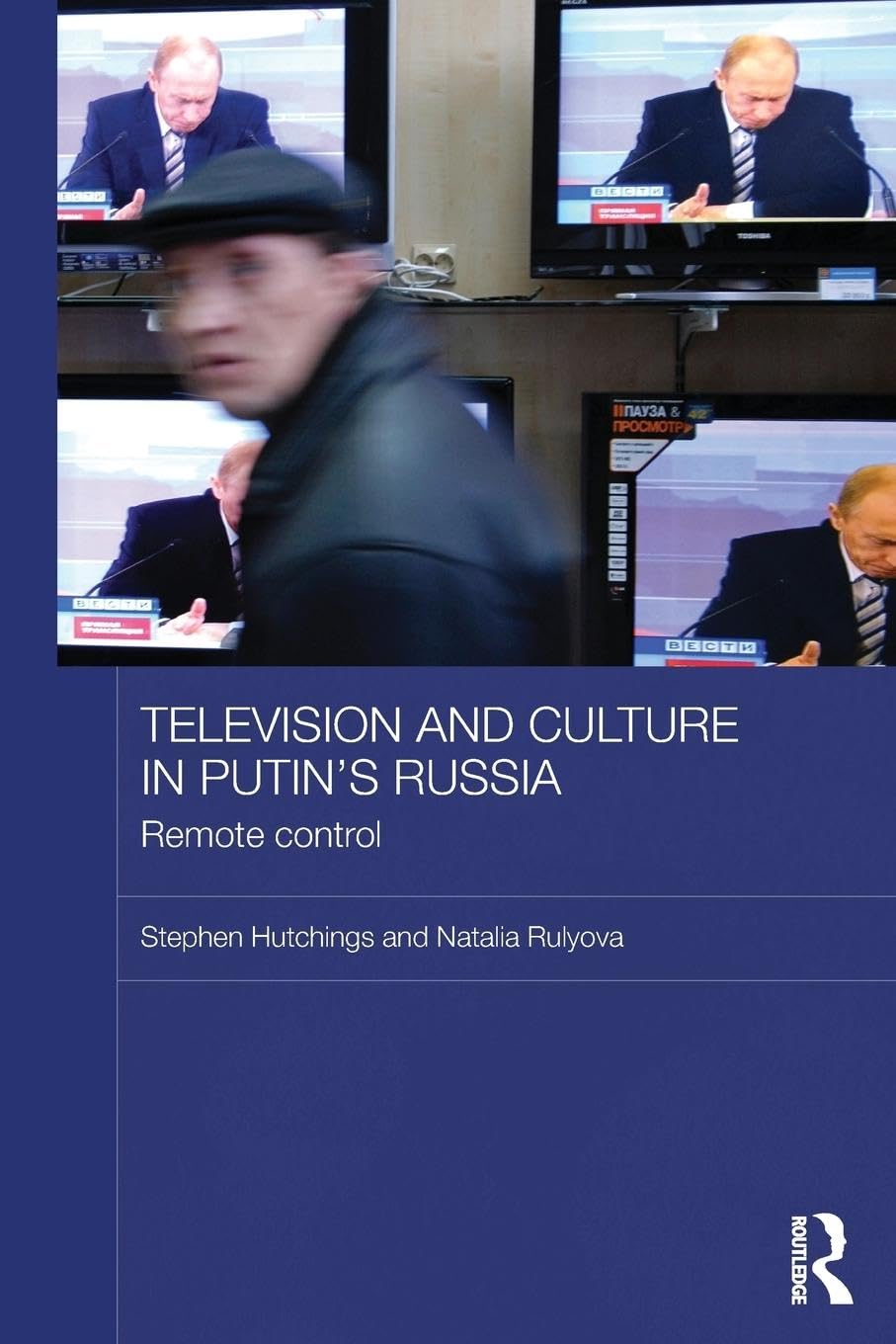
This book examines television culture in Russia under the government of Vladimir Putin. In recent years, the growing influx into Russian television of globally mediated genres and formats has coincided with a decline in media freedom and a ratcheting up of government control over the content style of television programmes. All three national channels (First, Russia, NTV) have fallen victim to Putins powerobsessed regime. Journalists critical of his Chechnya policy have been subject to harassment and arrest; programmes courting political controversy, such as Savik Shusters Freedom of Speech (Svoboda slova) have been taken off the air; coverage of national holidays like Victory Day has witnessed a return of Sovietstyle bombast; and reporting on crises, such as the Beslan tragedy, is severely curtailed. The book demonstrates how broadcasters have been enlisted in support of a transparent effort to install a latterday version of imperial pride in Russian military achievements at the centre of a national identity project over which, from the depths of the Kremlin, Putins government exerts a form of remote control. However, central to the book's argument is the notion that because of the changes wrought upon Russian society after 1985, a blanket return to the totalitarianism of the Soviet media has, notwithstanding the tenor of much western reporting on the issue, not occurred. Despite the fact that television is nominally under state control, that control remains remote and less than wholly effective, as amply demonstrated in the audience research conducted for the book, and in analysis of contradictions at the textual level. Overall, this book provides a fascinating account of the role of television under President Putin, and will be of interest to all those wishing to understand contemporary Russian society.
⚠️ WARNING (California Proposition 65):
This product may contain chemicals known to the State of California to cause cancer, birth defects, or other reproductive harm.
For more information, please visit www.P65Warnings.ca.gov.