If you have any questions, you are always welcome to contact us. We'll get back to you as soon as possible, withing 24 hours on weekdays.
Customer service
All questions about your order, return and delivery must be sent to our customer service team by e-mail at yourstore@yourdomain.com
Sale & Press
If you are interested in selling our products, need more information about our brand or wish to make a collaboration, please contact us at press@yourdomain.com
Help
If you have any questions, you are always welcome to contact us. We'll get back to you as soon as possible, withing 24 hours on weekdays.
Customer service
All questions about your order, return and delivery must be sent to our customer service team by e-mail at yourstore@yourdomain.com
Sale & Press
If you are interested in selling our products, need more information about our brand or wish to make a collaboration, please contact us at press@yourdomain.com
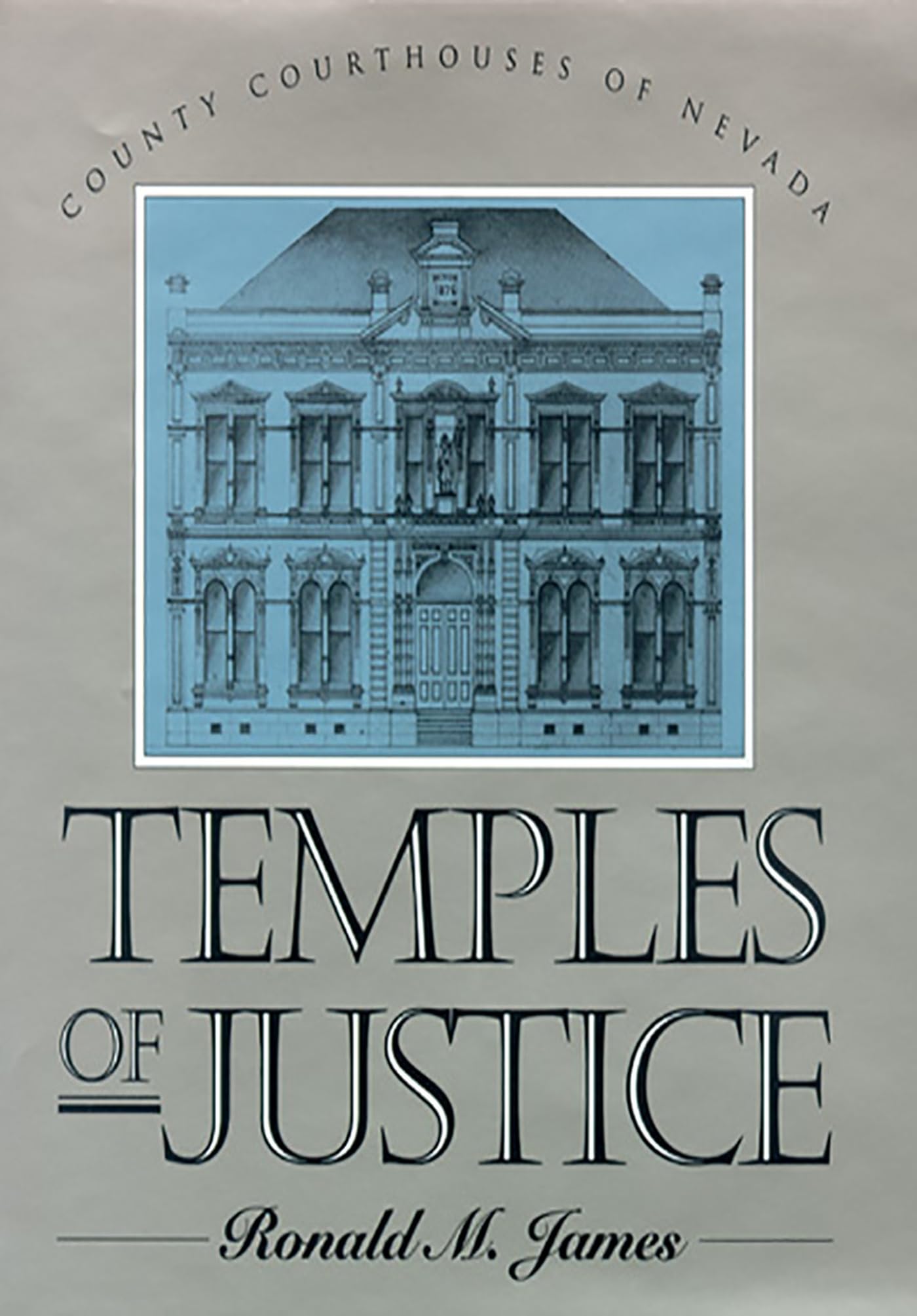
From Storey County's High Victorian Italianatestyled courthouse to Lander County's former schoolhouse, now a Neoclassical courthouse, Temples of Justice provides an architectural history of the courthouses of Nevada. Nevada has never had a published architectural history, and Temples of Justice helps fill the gap by treating the state's built environment as a series of documents from the past. By looking at the courthouses collectively, it is possible to understand the choices and influences that have affected Nevada's communities as they seek to protect an image of themselves and their aspirations through public architecture. The courthouses are important local public facilities, and they provide an excellent opportunity to understand the history of attitudes and tastes in the state. Nevada courthouse construction falls into several periods of prosperity. Early on, the mining industry created instantaneous communities that struggled to create an image of stability and prosperity by building impressive courthouses. Lacking access to professional design, however, they often resorted to homespun approaches to architecture. Later, firmly established communities built courthouses that fit into the national mainstream. Temples of Justice clearly demonstrates the value of using buildings as documents of the past. More research is needed to gain a comprehensive understanding of Nevada through its built environment, and James's examination of its important public architecture provides a cornerstone for future research.
⚠️ WARNING (California Proposition 65):
This product may contain chemicals known to the State of California to cause cancer,
birth defects, or other reproductive harm.
For MAP (Minimum Advertised Price) violations and Intellectual Property (IP) or Trademark concerns, please contact:
support@ergodebooks.com
⚠️ California Proposition 65 Warning: Some products sold on this website may expose you to chemicals known to the State of California to cause cancer, birth defects, or other reproductive harm. For more information, visit www.P65Warnings.ca.gov.