If you have any questions, you are always welcome to contact us. We'll get back to you as soon as possible, withing 24 hours on weekdays.
Customer service
All questions about your order, return and delivery must be sent to our customer service team by e-mail at yourstore@yourdomain.com
Sale & Press
If you are interested in selling our products, need more information about our brand or wish to make a collaboration, please contact us at press@yourdomain.com
Help
If you have any questions, you are always welcome to contact us. We'll get back to you as soon as possible, withing 24 hours on weekdays.
Customer service
All questions about your order, return and delivery must be sent to our customer service team by e-mail at yourstore@yourdomain.com
Sale & Press
If you are interested in selling our products, need more information about our brand or wish to make a collaboration, please contact us at press@yourdomain.com
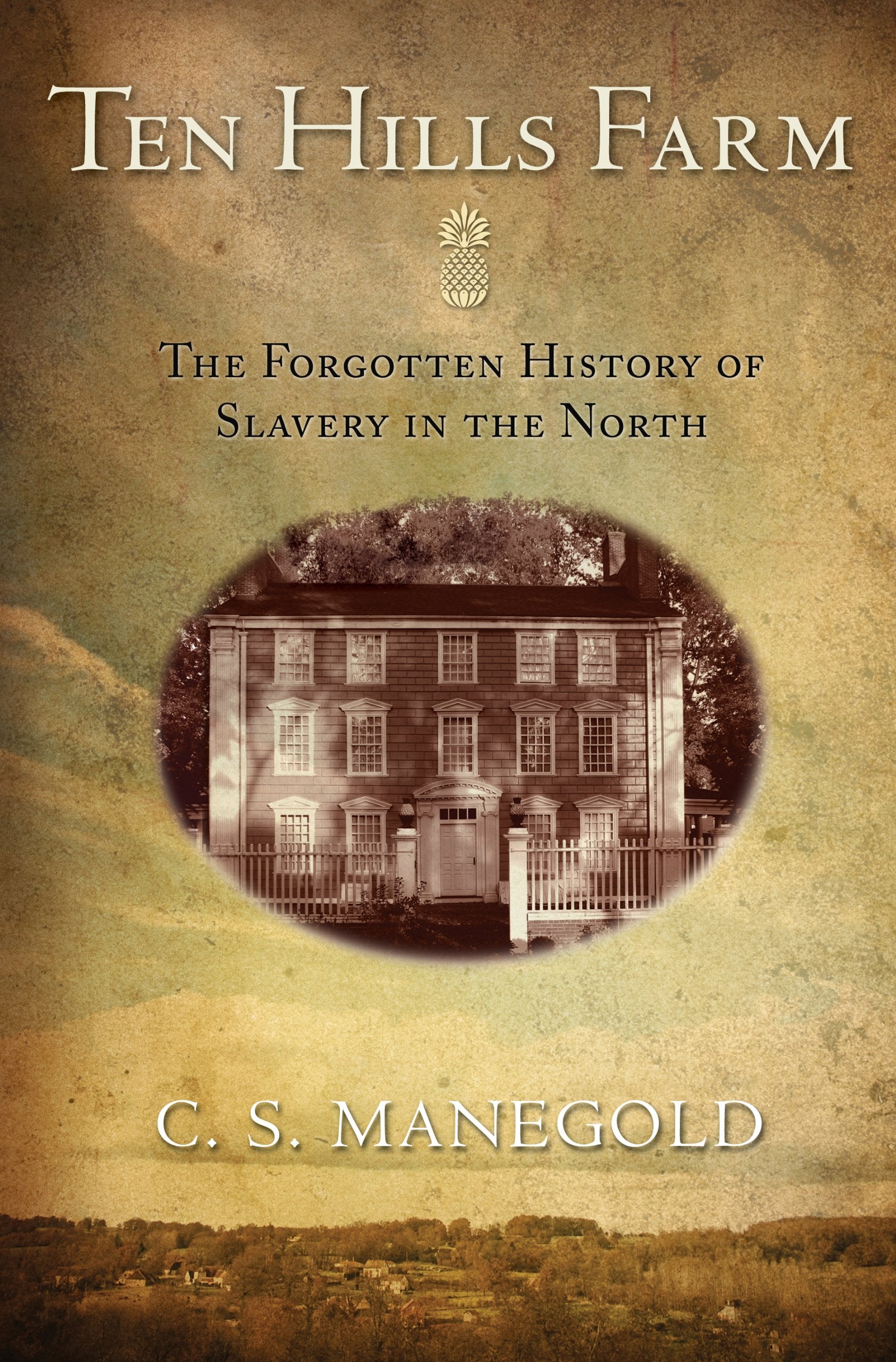
The untold story of how colonial New England was built on the Atlantic slave tradeTen Hills Farm tells the powerful saga of five generations of slave owners in colonial New England. Settled in 1630 by John Winthrop, governor of the Massachusetts Bay Colony, Ten Hills Farm, a sixhundredacre estate just north of Boston, passed from the Winthrops to the Ushers, to the Royallsall prominent dynasties tied to the Native American and Atlantic slave trades. In this mesmerizing narrative, C. S. Manegold exposes how the fortunes of these familiesand the fate of Ten Hills Farmwere bound to Americas most tragic and tainted legacy.Manegold follows the compelling tale from the early seventeenth to the early twentyfirst century, from New England, through the South, to the sprawling slave plantations of the Caribbean. John Winthrop, famous for envisioning his 'city on the hill' and lauded as a paragon of justice, owned slaves on that ground and passed the first law in North America condoning slavery. Each successive owner of Ten Hills Farmfrom John Usher, who was born into money, to Isaac Royall, who began as a humble carpenters son and made his fortune in Antiguawould depend upon slaverys profits until the 1780s, when Massachusetts abolished the practice. In time, the land became a city, its questionable past discreetly buried, until now.Challenging received ideas about America and the Atlantic world, Ten Hills Farm digs deep to bring the story of slavery in the North full circlefrom concealment to recovery.
⚠️ WARNING (California Proposition 65):
This product may contain chemicals known to the State of California to cause cancer,
birth defects, or other reproductive harm.
For MAP (Minimum Advertised Price) violations and Intellectual Property (IP) or Trademark concerns, please contact:
support@ergodebooks.com
⚠️ California Proposition 65 Warning: Some products sold on this website may expose you to chemicals known to the State of California to cause cancer, birth defects, or other reproductive harm. For more information, visit www.P65Warnings.ca.gov.