
Title
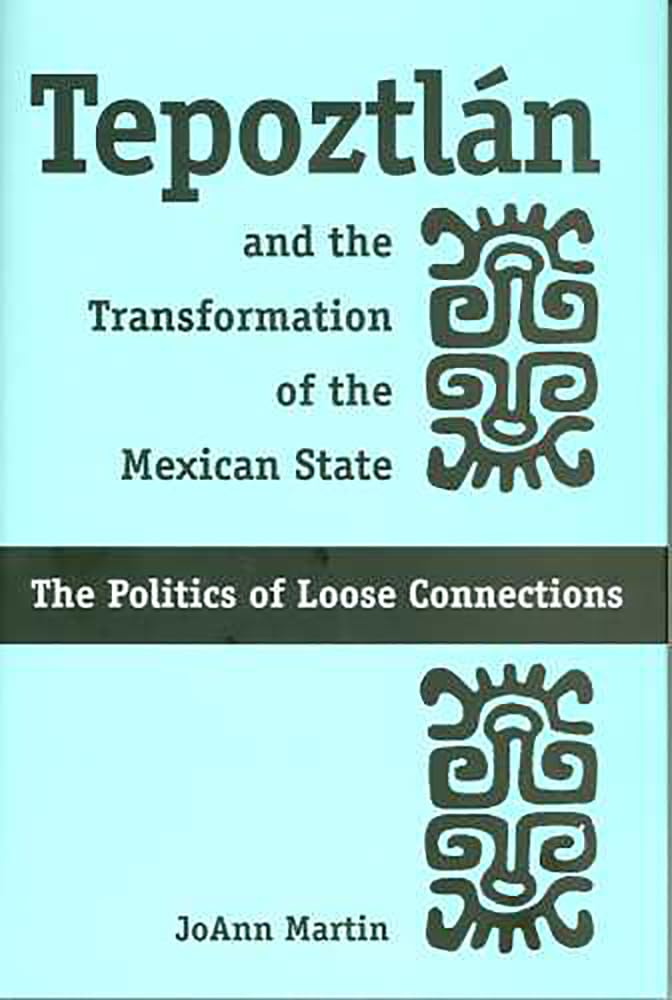
Tepoztln And The Transformation Of The Mexican State: The Politics Of Loose Connections,Used
Sold by Ergodebooks, an authorized reseller.
Returns accepted within 30 days | support@ergodebooks.com
Shipping Information
- Free Standard Shipping — United States only
- Processing Time: 3–5 business days
- Estimated Delivery: 6–10 business days after dispatch
- Double-boxed, fully insured & discreetly packaged
- Tracking number sent via email once dispatched
Returns & Refund
Returns accepted within 30 days of delivery.
Damaged or Defective Item
Free return shipping + replacement or full refund
Wrong Item Received
Free return shipping + replacement or full refund
Change of Mind
Return shipping at customer's expense · 25% restocking fee applies
Payment Option

During the 1980s and 90s, Mexico weathered an economic crisis, witnessed electoral upheaval, and saw the dismantling of state subsidies to farmers and the privatization of nationally owned industries. This book considers how popular movements found fresh footing in this new politicaleconomic landscape as villagers in Tepoztln fought to keep communal lands out of the hands of outsiders, the state, andincreasinglyglobal capitalists. Examining social movement politics from the margins rather than the center, JoAnn Martin revisits the famous RedfieldLewis debate on Tepoztln to argue that the gossip seen by Oscar Lewis as undermining community coherence is really a form of political practice. During more than fifteen years of research, she observed the metamorphosis of a movement founded as a revolutionary popular struggle into what she terms a politics of loose connections, in which temporary alliances, flexible identities, and shifting rhetoric are adapted to the demands of the moment. Martin examines contemporary land struggles with an emphasis on the Comit para la Defensa de Tierra and its attempts to weave together strands of an invented tradition, contemporary agrarian reform law, and revolutionary ideology. She shows how Tepoztecan politics borrows discourses from the Mexican state; she then tells how this process shaped local politics in the midst of the contested 1988 national presidential election when local actors elaborated a discourse of democracy as a technique for disciplining gossip, and in 1991 when Tepoztecans began to draw on the support of international environmental NGOs. Throughout her analysis, Martin explores how Tepoztecan politics unfolds in the climate of mistrust first nurtured by the role of the state in local politics and later by the demands of working with U.S. and Western European environmentalists. Martin shows that the politics of loose connections is above all else a style of political participation that has proved adaptive in the contemporary political landscape, and that understandings of politics have been dogged by a conception of connections that may well be obsolete in the contemporary world. Her study is a balanced reevaluation of Tepoztln that reveals how politics succeeds through loose connections, a strategy that may be instructive for others seeking to survive in either local or global coalitions.
⚠️ WARNING (California Proposition 65):
This product may contain chemicals known to the State of California to cause cancer, birth defects, or other reproductive harm.
For more information, please visit www.P65Warnings.ca.gov.