
Title
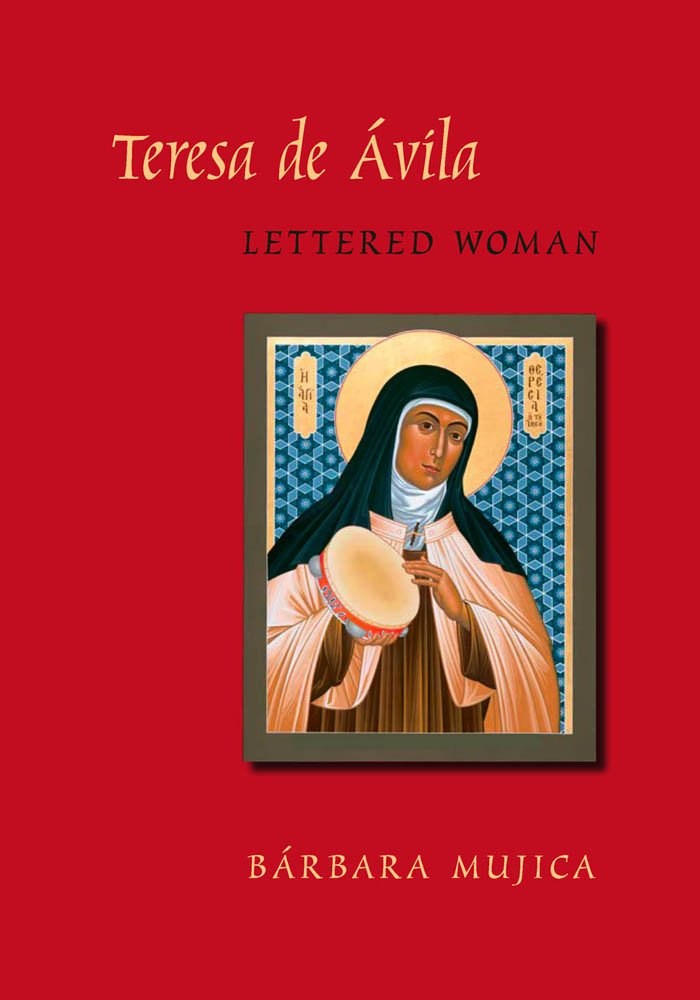
Teresa De Avila, Lettered Woman,Used
Sold by Ergodebooks, an authorized reseller.
Returns accepted within 30 days | support@ergodebooks.com
Shipping Information
- Free Standard Shipping — United States only
- Processing Time: 3–5 business days
- Estimated Delivery: 6–10 business days after dispatch
- Double-boxed, fully insured & discreetly packaged
- Tracking number sent via email once dispatched
Returns & Refund
Returns accepted within 30 days of delivery.
Damaged or Defective Item
Free return shipping + replacement or full refund
Wrong Item Received
Free return shipping + replacement or full refund
Change of Mind
Return shipping at customer's expense · 25% restocking fee applies
Payment Option

In 1562, Teresa de Avila founded the Discalced Carmelites and launched a reform movement that would pit her against the Church hierarchy and the male officials of her own religious order. This new spirituality, which stressed interiority and a personal relationship with God, was considered dangerous and subversive. It provoked the suspicion of the Inquisition and the wrath of unreformed Carmelites, especially the Andalusian friars, who favored the lax practices of their traditional monasteries. The Inquisition investigated Teresa repeatedly, and the Carmelite General had her detained. But even during the most terrible periods of persecution, Teresa continued to fight for the reform using the weapon she wielded best: the pen. Teresa wrote hundreds, perhaps thousands, of letters to everyone from the King to prelates to mothers of novices.Teresa's epistolary writing reveals how she used her political acumen to dodge inquisitors and negotiate the thorny issues of the reform, facing off the authoritiesalbeit with considerable tactand reprimanding priests and nuns who failed to follow her orders. Her letters bring to light the different strategies she usedcode names, secret routingin order to communicate with nuns and male allies. They show how she manipulated language, varying her tone and rhetoric according to the recipient or slipping into deliberate vagueness in order to avoid divulging secrets. What emerges from her correspondence is a portrait of extraordinary courage, ability, and shrewdness.In the sixteenth century, the word letrado (lettered) referred to the learned men of the Church. Teresa treated letrados with great respect and always insisted on her own lack of learning. The irony is that although women could not be letradas, Teresa was, as her correspondence shows, 'lettered' in more ways than one.
⚠️ WARNING (California Proposition 65):
This product may contain chemicals known to the State of California to cause cancer, birth defects, or other reproductive harm.
For more information, please visit www.P65Warnings.ca.gov.