
Title
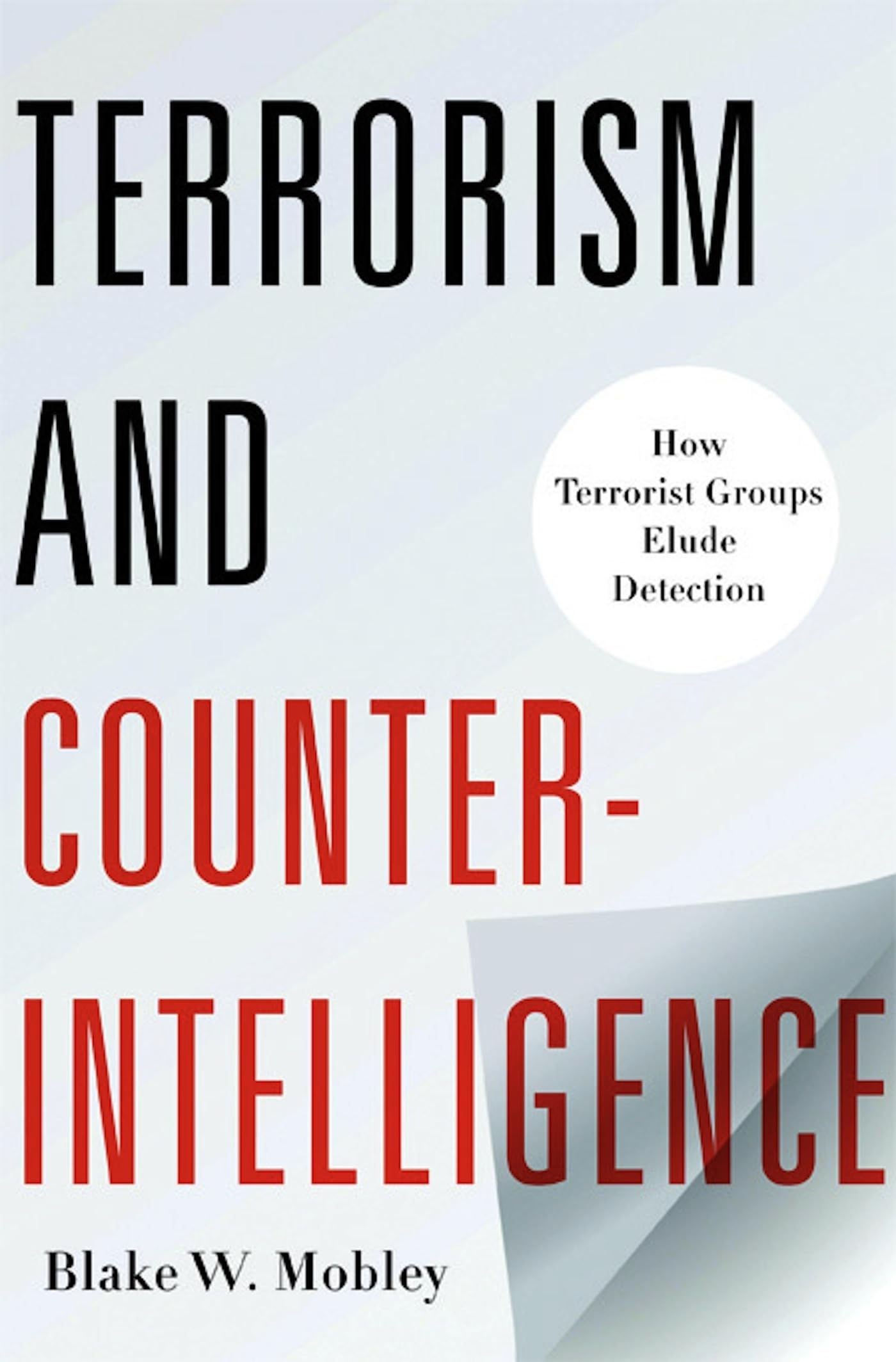
Terrorism and Counterintelligence: How Terrorist Groups Elude Detection (Columbia Studies in Terrorism and Irregular Warfare),New
Sold by Ergodebooks, an authorized reseller.
Returns accepted within 30 days | support@ergodebooks.com
Shipping Information
- Free Standard Shipping — United States only
- Processing Time: 3–5 business days
- Estimated Delivery: 6–10 business days after dispatch
- Double-boxed, fully insured & discreetly packaged
- Tracking number sent via email once dispatched
Returns & Refund
Returns accepted within 30 days of delivery.
Damaged or Defective Item
Free return shipping + replacement or full refund
Wrong Item Received
Free return shipping + replacement or full refund
Change of Mind
Return shipping at customer's expense · 25% restocking fee applies
Payment Option

Protecting information, identifying undercover agents, and operating clandestinelyefforts known as counterintelligenceare the primary objectives of terrorist groups evading detection by intelligence and law enforcement officials. Some strategies work well, some fail, and those tasked with tracking these groups are deeply invested in the difference.Discussing the challenges terrorist groups face as they multiply and plot international attacks, while at the same time providing a framework for decoding the strengths and weaknesses of their counterintelligence, Blake W. Mobley provides an indispensable text for the intelligence, military, homeland security, and law enforcement fields. He outlines concrete steps for improving the monitoring, disruption, and elimination of terrorist cells, primarily by exploiting their mistakes in counterintelligence.A key component of Mobley's approach is to identify and keep close watch on areas that often exhibit weakness. While some counterintelligence pathologies occur more frequently among certain terrorist groups, destructive bureaucratic tendencies, such as mistrust and paranoia, pervade all organizations. Through detailed case studies, Mobley shows how to recognize and capitalize on these shortcomings within a group's organizational structure, popular support, and controlled territory, and he describes the tradeoffs terrorist leaders make to maintain cohesion and power. He ultimately shows that no group can achieve perfect secrecy while functioning effectively and that every adaptation or new advantage supposedly attained by these groups also produces new vulnerabilities.
⚠️ WARNING (California Proposition 65):
This product may contain chemicals known to the State of California to cause cancer, birth defects, or other reproductive harm.
For more information, please visit www.P65Warnings.ca.gov.