If you have any questions, you are always welcome to contact us. We'll get back to you as soon as possible, withing 24 hours on weekdays.
Customer service
All questions about your order, return and delivery must be sent to our customer service team by e-mail at yourstore@yourdomain.com
Sale & Press
If you are interested in selling our products, need more information about our brand or wish to make a collaboration, please contact us at press@yourdomain.com
Help
If you have any questions, you are always welcome to contact us. We'll get back to you as soon as possible, withing 24 hours on weekdays.
Customer service
All questions about your order, return and delivery must be sent to our customer service team by e-mail at yourstore@yourdomain.com
Sale & Press
If you are interested in selling our products, need more information about our brand or wish to make a collaboration, please contact us at press@yourdomain.com
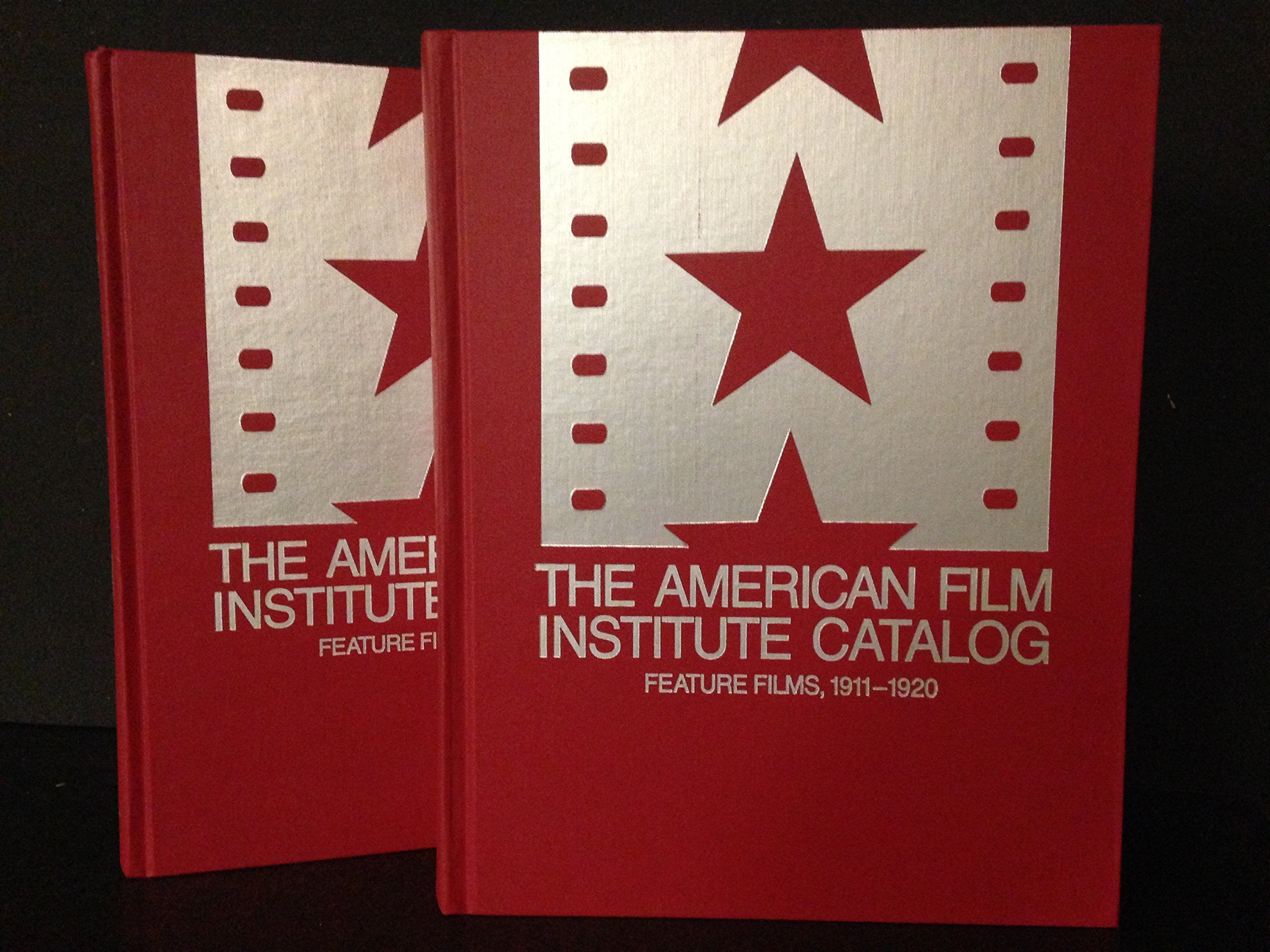
The American Film Institute Catalog volumes easily surpass all other film reference books for comprehensiveness, reliability, and utility. In a field bedevilled by quickly assembled and slipshod reference works, the Catalogs are the one essential purchase for every library. This set of volumes, on the teen years, covers a pivotal period in film history, encompassing the birth of the feature film and the development of the 'film language' that still structures virtually all narrative films today. The decade saw the rise of stars, and of directors who left their creative mark on decades to comeGriffith, Ince, De Mille. Small firms gave way to consolidated studios. And film production relocated to the Southern California town whose name became synonymous with American films: Hollywood. Classics of the era such as De Mille's The Cheat and Griffith's Intolerance have reached popular audiences, and many others are being distributed on videocassette. New scholarly attention is focusing on the decadeespecially on such questions as how stage melodrama elements were gradually incorporated into film narrative. But since film is also a record of folkways and national concerns, the rich materials catalogued here will be invaluable to social or cultural historians. As John Fell, author of Film and the Narrative Tradition, comments: 'In a real sense, the AFI Catalog preserves and revitalizes old movies that will otherwise disappear . . . [it] will increasingly serve an audience far broader than motion picture history alone.'
⚠️ WARNING (California Proposition 65):
This product may contain chemicals known to the State of California to cause cancer,
birth defects, or other reproductive harm.
For MAP (Minimum Advertised Price) violations and Intellectual Property (IP) or Trademark concerns, please contact:
support@ergodebooks.com
⚠️ California Proposition 65 Warning: Some products sold on this website may expose you to chemicals known to the State of California to cause cancer, birth defects, or other reproductive harm. For more information, visit www.P65Warnings.ca.gov.