
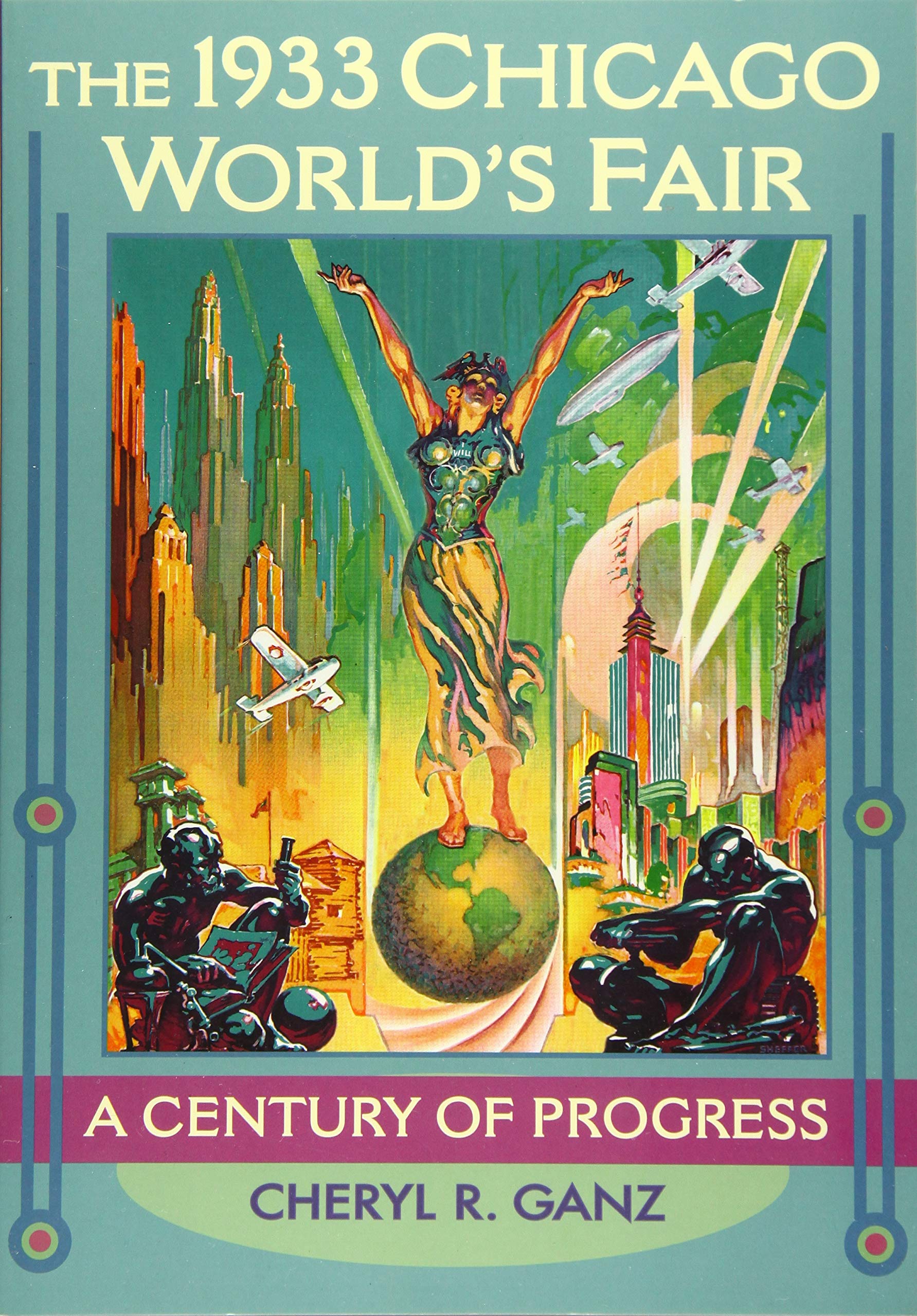
Title
The 1933 Chicago World'S Fair: A Century Of Progress
Sold by Ergodebooks, an authorized reseller.
Returns accepted within 30 days | support@ergodebooks.com
Shipping Information
- Free Standard Shipping — United States only
- Processing Time: 3–5 business days
- Estimated Delivery: 6–10 business days after dispatch
- Double-boxed, fully insured & discreetly packaged
- Tracking number sent via email once dispatched
Returns & Refund
Returns accepted within 30 days of delivery.
Damaged or Defective Item
Free return shipping + replacement or full refund
Wrong Item Received
Free return shipping + replacement or full refund
Change of Mind
Return shipping at customer's expense · 25% restocking fee applies
Payment Option

Chicago'S 1933 World'S Fair Set A New Direction For International Expositions. Earlier Fairs Had Exhibited Technological Advances, But Chicago'S Fair Organizers Used The Very Idea Of Progress To Buoy National Optimism During The Depression'S Darkest Years. Orchestrated By Business Leaders And Engineers, Almost All Former Military Men, The Fair Reflected A Businessmilitaryengineering Model That Envisioned A Promising Future Through Science And Technology'S Application To Everyday Life. Fair Organizers, Together With Corporate Leaders, Believed That Progress Rides On The Tide Of Technological Innovation And Consumerism.But Not All Those Who Struggled For A Voice At Chicago'S 1933 Exposition Had Abandoned The Traditional Notions Of Progress That Entailed Social Justice And Equality, Recognition Of Ethnic And Genderrelated Accomplishments, And Personal Freedom And Expression. The Stark Pronouncement Of The Fair'S Motto, Science Finds, Industry Applies, Man Conforms, Was Challenged By Iconoclasts Such As Sally Rand, Whose Provocative Fan Dance Became A Persistent Symbol Of The Fair, As Well As A Handful Of Others, Including African Americans, Ethnic Populations And Foreign Nationals, Groups Of Working Women, And Even Wellheeled Socialites. They All Met Obstacles But Ultimately Introduced Personal, Social Definitions Of Progress And Thereby Influenced The Ways The Fair Took Shape.In This Engaging Social And Cultural History, Cheryl R. Ganz Examines Chicago'S Second World'S Fair Through The Lenses Of Technology, Ethnicity, And Gender. The Book Also Features Eightysix Photographsnearly Half Of Which Are Full Colorof Key Locations, Exhibits, And People, As Well As Authentic Ticket Stubs, Postcards, Pamphlets, Posters, And Other Items. From Fan Dancers To Fan Belts, The 1933 Chicago World'S Fair: A Century Of Progress Offers The Compelling, Untold Stories Of Fair Planners And Participants Who Showcased Education, Industry, And Entertainment To Sell Optimism During The Depths Of The Great Depression.
⚠️ WARNING (California Proposition 65):
This product may contain chemicals known to the State of California to cause cancer, birth defects, or other reproductive harm.
For more information, please visit www.P65Warnings.ca.gov.
- Q: How many pages does the book have? A: The book has two hundred seventy-two pages. This includes a variety of photographs and illustrations that enhance the reading experience.
- Q: What type of binding does the book have? A: The book features a paperback binding. This makes it lightweight and easy to handle for reading or display.
- Q: Who is the author of this book? A: The author is Cheryl R. Ganz. She provides a detailed examination of the 1933 Chicago World's Fair through various cultural lenses.
- Q: What is the reading level for this book? A: This book is suitable for adults and older teens. It contains complex themes related to history, technology, and social issues.
- Q: Is this book suitable for children? A: No, this book is not specifically suitable for children. It discusses topics that may be more appropriate for a mature audience.
- Q: How can I use this book for research? A: You can use this book as a primary source for studying the cultural and technological impact of the 1933 Chicago World's Fair. Its detailed accounts and photographs provide valuable insights.
- Q: Is there a lot of photography in this book? A: Yes, the book features eighty-six photographs, with nearly half in full color. These images complement the text and provide visual context to the historical content.
- Q: How should I store this book? A: Store the book in a cool, dry place away from direct sunlight. This will help preserve its condition and prevent fading or damage.
- Q: Can I clean the book if it gets dirty? A: Yes, you can gently wipe the cover with a dry cloth. Avoid using liquids, as they can damage the pages.
- Q: What if the book arrives damaged? A: If the book arrives damaged, you should contact the seller for a return or replacement. Most sellers have policies in place for such issues.
- Q: Is this book a good choice for someone interested in history? A: Yes, this book is an excellent choice for history enthusiasts. It provides an in-depth look at the social and technological themes of the 1933 fair.
- Q: How does this book compare to other history books? A: This book stands out due to its focus on the intersection of technology, ethnicity, and gender at a significant historical event, unlike many other general history books.
- Q: Does this book discuss social justice themes? A: Yes, the book discusses social justice themes, particularly how various groups sought recognition and equality during the fair.
- Q: Is there a lot of technical detail in this book? A: Yes, the book includes technical details about the exhibits and innovations showcased at the fair, reflecting the era's advancements.
- Q: What makes this book unique? A: This book is unique due to its comprehensive analysis of the cultural impacts of the fair, featuring personal stories and historical context.