
Title
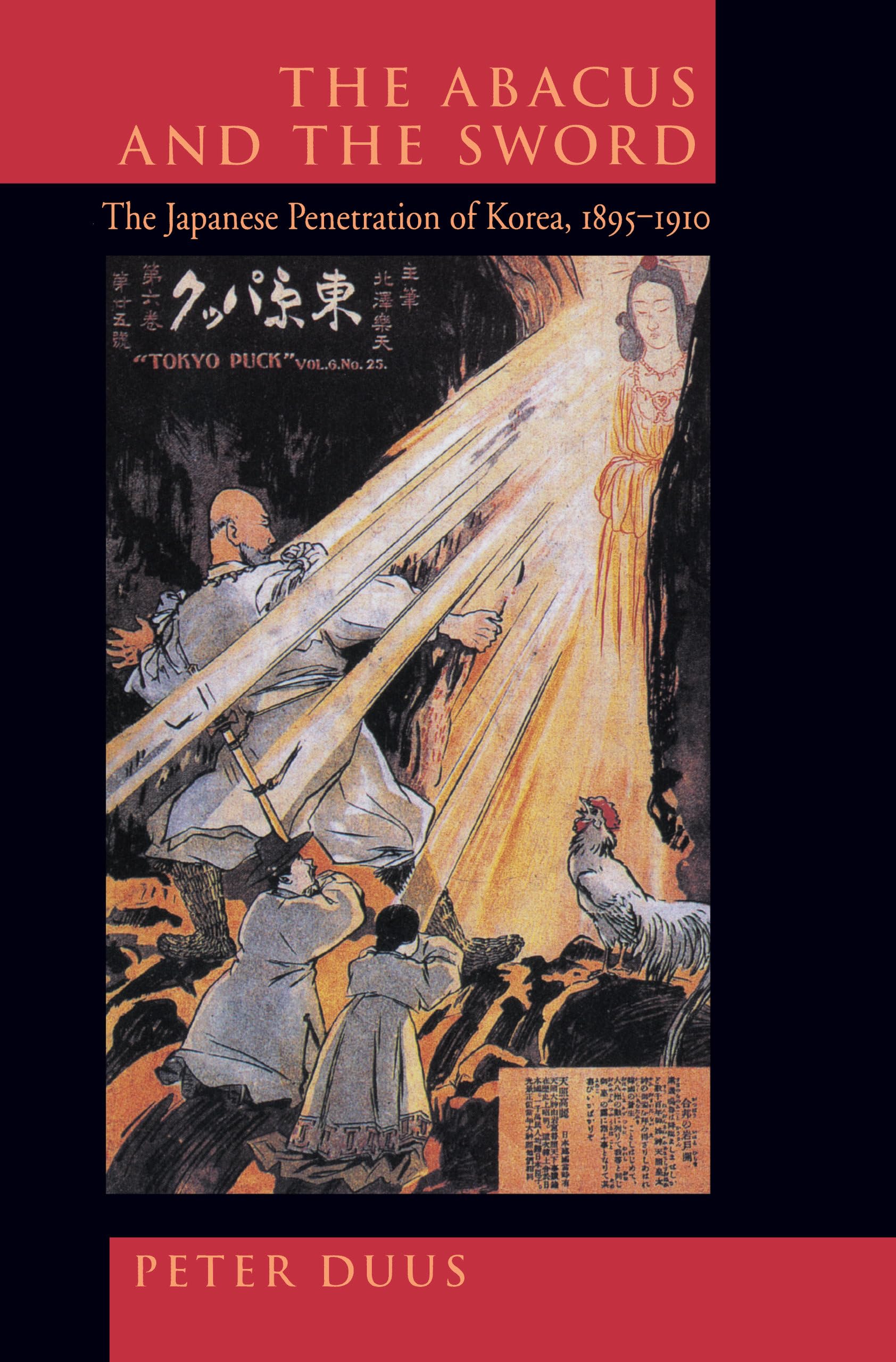
The Abacus And The Sword: The Japanese Penetration Of Korea, 18951910 (Twentieth Century Japan: The Emergence Of A World Power),New
Sold by Ergodebooks, an authorized reseller.
Returns accepted within 30 days | support@ergodebooks.com
Shipping Information
- Free Standard Shipping — United States only
- Processing Time: 3–5 business days
- Estimated Delivery: 6–10 business days after dispatch
- Double-boxed, fully insured & discreetly packaged
- Tracking number sent via email once dispatched
Returns & Refund
Returns accepted within 30 days of delivery.
Damaged or Defective Item
Free return shipping + replacement or full refund
Wrong Item Received
Free return shipping + replacement or full refund
Change of Mind
Return shipping at customer's expense · 25% restocking fee applies
Payment Option

What Forces Were Behind Japan'S Emergence As The First Nonwestern Colonial Power At The Turn Of The Twentieth Century? Peter Duus Brings A New Perspective To Meiji Expansionism In This Pathbreaking Study Of Japan'S Acquisition Of Korea, The Largest Of Its Colonial Possessions. He Shows How Japan'S Drive For Empire Was Part Of A Larger Goal To Become The Economic, Diplomatic, And Strategic Equal Of The Western Countries Who Had Imposed A Humiliating Treaty Settlement On The Country In The 1850S.Duus Maintains That Two Separate But Interlinked Processes, One Political/Military And The Other Economic, Propelled Japan'S Imperialism. Every Attempt At Increasing Japanese Political Influence Licensed New Opportunities For Trade, And Each New Push For Japanese Economic Interests Buttressed, And Sometimes Justified, Further Political Advances. The Sword Was The Servant Of The Abacus, The Abacus The Agent Of The Sword.While Suggesting That Meiji Imperialism Shared Much With The Western Colonial Expansion That Provided Both Model And Context, Duus Also Argues That It Was 'Backward Imperialism' Shaped By A Sense Of Inferiority Visvis The West. Along With His Detailed Diplomatic And Economic History, Duus Offers A Unique Social History That Illuminates The Motivations And Lifestyles Of The Overseas Japanese Of The Time, As Well As The Views That Contemporary Japanese Had Of Themselves And Their Fellow Asians.
⚠️ WARNING (California Proposition 65):
This product may contain chemicals known to the State of California to cause cancer, birth defects, or other reproductive harm.
For more information, please visit www.P65Warnings.ca.gov.
- Q: How many pages does this book have? A: This book contains five hundred pages. It's a comprehensive study of Japan's imperialism and its historical context.
- Q: What is the binding type of this book? A: The book is available in paperback binding. This makes it lightweight and portable for readers.
- Q: Who is the author of this book? A: The author is Peter Duus. He provides a unique perspective on Japan's expansionism during the Meiji era.
- Q: What are the dimensions of this book? A: The dimensions are six inches in length, one point two seven inches in width, and eight point nine inches in height. This size is typical for a standard paperback.
- Q: What genre does this book belong to? A: This book falls under the historical non-fiction genre. It focuses on Japan's colonial history in Korea.
- Q: Is this book suitable for casual readers? A: Yes, this book is suitable for casual readers interested in history. It offers accessible insights into Japan's past.
- Q: What main topics does this book cover? A: The book covers Japan's emergence as a colonial power, focusing on political, military, and economic aspects. It also explores the cultural implications of this period.
- Q: Are there illustrations in this book? A: Yes, the book includes eighteen black and white illustrations. These visual aids enhance the reader's understanding of the historical context.
- Q: What age group is this book appropriate for? A: This book is appropriate for adults and older teens. It deals with complex historical themes that require mature comprehension.
- Q: How should I care for this book? A: To keep this book in good condition, store it in a dry place and avoid exposure to direct sunlight. This helps preserve the binding and pages.
- Q: Can I return this book if I don't like it? A: Yes, you can return the book if it does not meet your expectations. Check the seller's return policy for specific details.
- Q: What if the book arrives damaged? A: If the book arrives damaged, you should contact the seller immediately for a replacement or refund. Most sellers have policies for such situations.
- Q: Does this book include a bibliography or references? A: Yes, the book includes references and a bibliography. This supports the author's arguments and provides additional reading material.
- Q: What makes this book unique compared to others on the same topic? A: This book offers a new perspective on Japan's imperialism, blending diplomatic, economic, and social histories. It's noted for its depth and insight.
- Q: Is there a digital version of this book available? A: Yes, a digital version is typically available for purchase. Check online retailers for eBook options.
- Q: Are there any notable reviews of this book? A: Yes, the book has received positive reviews for its thorough research and engaging writing style. Many readers appreciate its historical insights.