
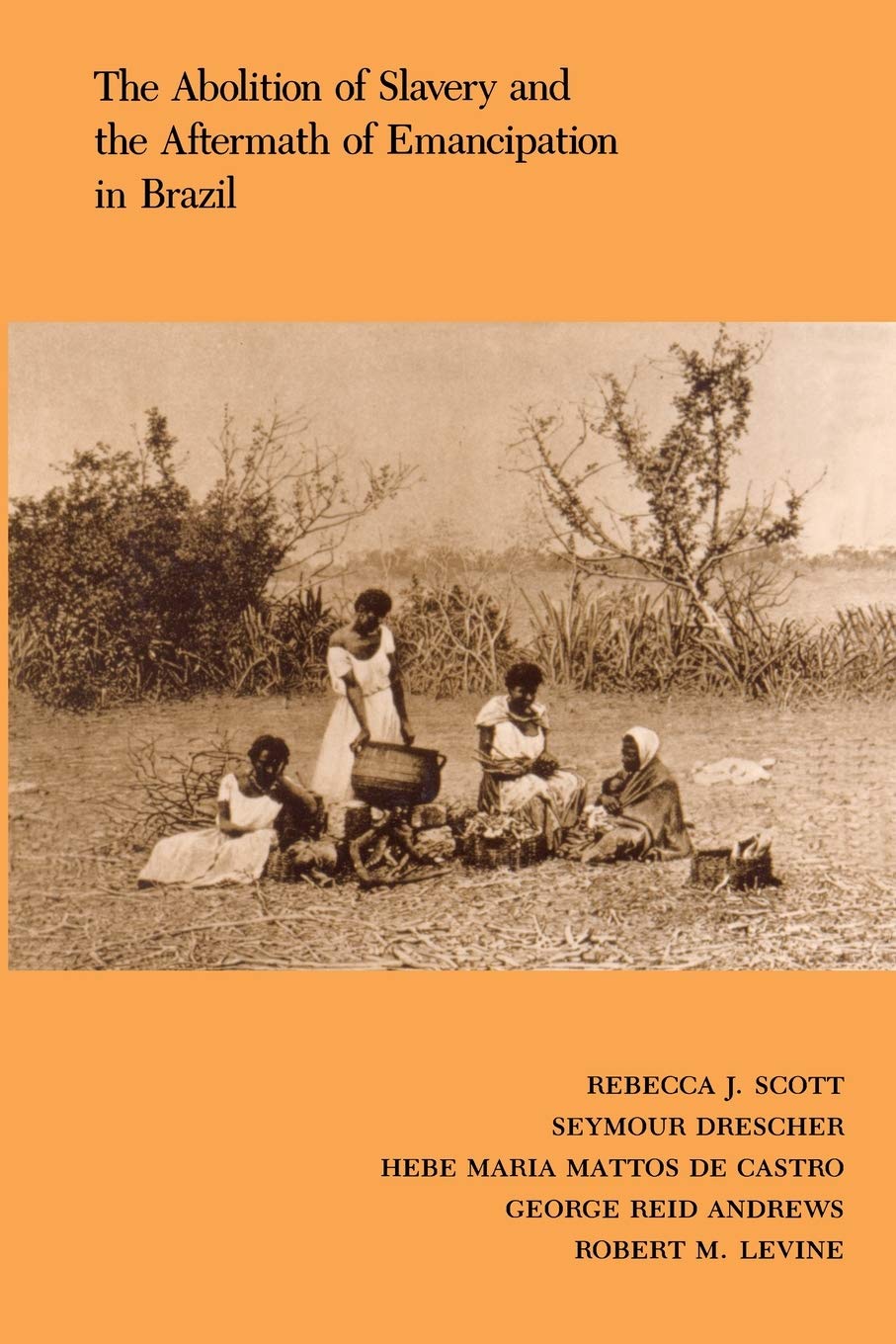
Title
The Abolition Of Slavery And The Aftermath Of Emancipation In Brazil,New
Sold by Ergodebooks, an authorized reseller.
Returns accepted within 30 days | support@ergodebooks.com
Shipping Information
- Free Standard Shipping — United States only
- Processing Time: 3–5 business days
- Estimated Delivery: 6–10 business days after dispatch
- Double-boxed, fully insured & discreetly packaged
- Tracking number sent via email once dispatched
Returns & Refund
Returns accepted within 30 days of delivery.
Damaged or Defective Item
Free return shipping + replacement or full refund
Wrong Item Received
Free return shipping + replacement or full refund
Change of Mind
Return shipping at customer's expense · 25% restocking fee applies
Payment Option

In May 1888 the Brazilian parliament passed, and Princess Isabel (acting for her father, Emperor Pedro II) signed, the lei aurea, or Golden Law, providing for the total abolition of slavery. Brazil thereby became the last civilized nation to part with slavery as a legal institution. The freeing of slaves in Brazil, as in other countries, may not have fulfilled all the hopes for improvement it engendered, but the final act of abolition is certainly one of the defining landmarks of Brazilian history.The articles presented here represent a broad scope of scholarly inquiry that covers developments across a wide canvas of Brazilian history and accentuates the importance of formal abolition as a watershed in that nations development.
⚠️ WARNING (California Proposition 65):
This product may contain chemicals known to the State of California to cause cancer, birth defects, or other reproductive harm.
For more information, please visit www.P65Warnings.ca.gov.
- Q: How many pages does this book have? A: This book has one hundred eighty-two pages. It offers a comprehensive look at the abolition of slavery in Brazil.
- Q: What are the dimensions of the book? A: The book measures six point twenty-six inches in length, zero point fifty-one inches in width, and nine point twenty-five inches in height.
- Q: What type of binding does this book have? A: This book is published in paperback binding. Paperback books are typically lightweight and flexible, making them easy to handle.
- Q: Who is the author of this book? A: The author of this book is Rebecca Scott. She is known for her scholarly work in Brazilian history and the subject of slavery.
- Q: What is the main theme of the book? A: The main theme of the book is the abolition of slavery and its aftermath in Brazil. It explores the historical context and implications of this significant event.
- Q: Is this book suitable for academic study? A: Yes, this book is suitable for academic study. It presents scholarly inquiry and analysis on a critical period in Brazilian history.
- Q: How do I read this book effectively? A: To read this book effectively, consider taking notes on key themes and historical contexts. Engage with the content by reflecting on its implications for modern society.
- Q: Is this book appropriate for high school students? A: Yes, this book is appropriate for high school students. It provides insights into Brazilian history and critical thinking about social issues.
- Q: What should I do if I want to discuss this book in a group? A: If you want to discuss this book in a group, prepare discussion questions based on its themes and historical significance. This will help facilitate an engaging conversation.
- Q: How should I store this book to keep it in good condition? A: Store this book in a cool, dry place away from direct sunlight. Keeping it upright on a shelf can help maintain its shape and condition.
- Q: Can I clean the book if it gets dirty? A: Yes, you can clean the book by gently wiping the cover with a soft, dry cloth. Avoid using liquids or harsh chemicals to prevent damage.
- Q: What if the book arrives damaged? A: If the book arrives damaged, you should contact the seller for a return or exchange. Most sellers have policies in place for damaged goods.
- Q: Is there a warranty for this book? A: No, there is typically no warranty for books. However, if you experience any issues, it's best to check the seller's return policy.
- Q: How do I know if this book is the right choice for my research? A: This book is an excellent choice for research on Brazilian history, particularly regarding slavery and emancipation. It offers scholarly insights and historical analysis.
- Q: Can this book be used as a reference for college assignments? A: Yes, this book can be used as a reference for college assignments. Its scholarly approach provides valuable information on its subject matter.
- Q: What should I do if I have questions about the content? A: If you have questions about the content, consider reaching out to a professor or joining a study group. Engaging with peers can enhance your understanding.