
Title
The Abu Ghraib Effect
Processing time: 1-3 days
US Orders Ships in: 3-5 days
International Orders Ships in: 8-12 days
Return Policy: 15-days return on defective items
Payment Option

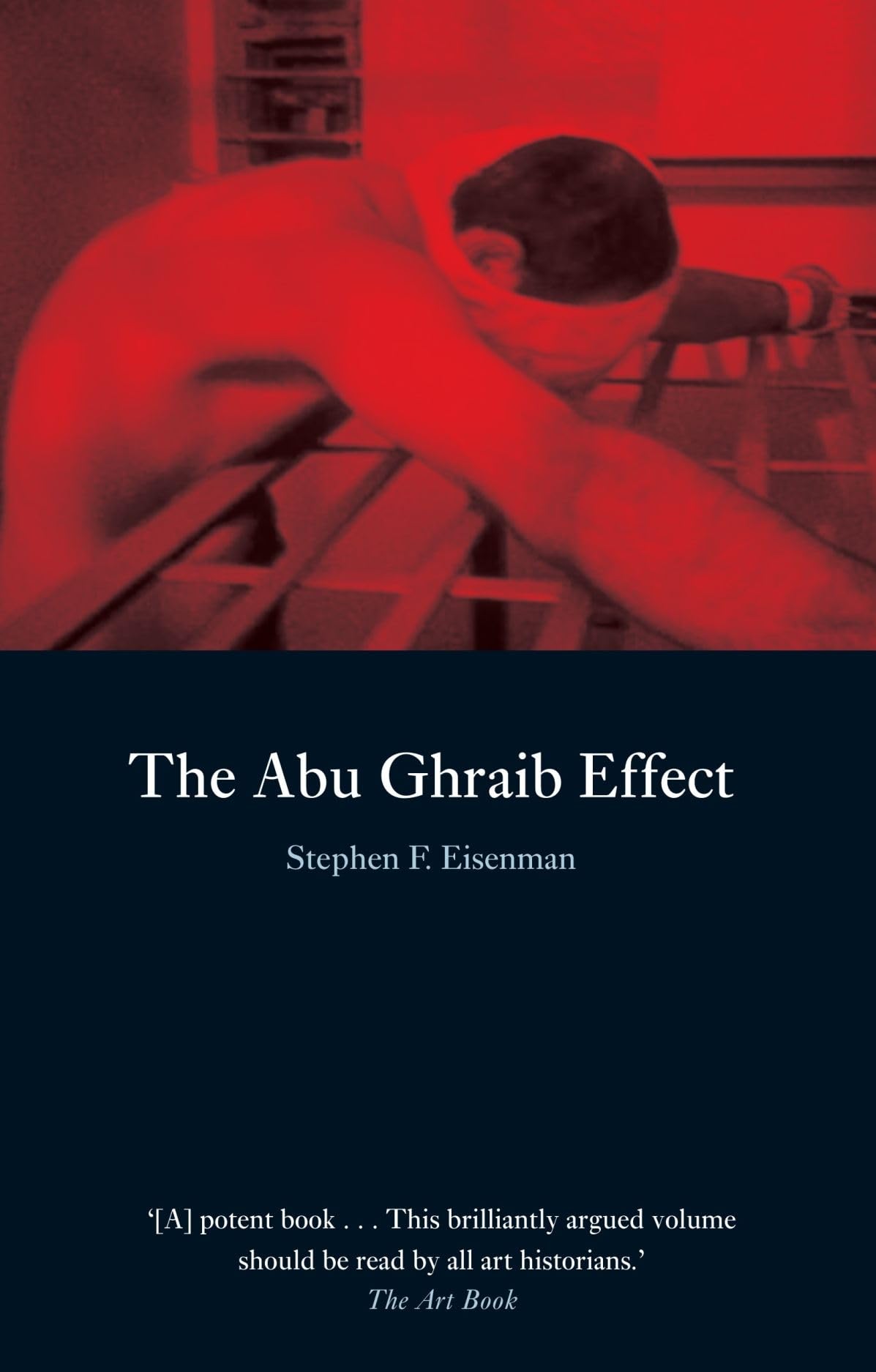
The Line Between Punishment And Torture Can Be Razorthinyet The Entire World Agreed That It Was Definitively Crossed At Abu Ghraib. Or Perhaps Not. George W. Bush Won A Second Term In Office Only Months After The Abu Ghraib Scandal Was Uncovered, And Only The Lowestranking U.S. Soldiers Involved In The Scandal Have Been Prosecuted. Where Was The Public Outcry? Stephen Eisenman Offers Here An Unsettling Explanation That Exposes Our Darkest Inclinations In The Face Of Alltoohuman Brutality.Eisenman Characterizes Americans Willful Dismissal Of The Images As The Abu Ghraib Effect, Rooted In The Ways That The Images Of Tortured Abu Ghraib Prisoners Tapped Into A Reactionary Sentiment Of Imperialist Selfjustification And Power. The Complex Elements In The Images Fit The Pathos Formula, He Argues, An Enduring Artistic Motif In Which Victims Are Depicted As Taking Pleasure In Their Own Extreme Pain. Meanwhile, The Explicitly Sexual Nature Of The Abu Ghraib Tortures Allowed Americans To Rationalize The Deeds Away As Voluntary Pleasure Acts By The Prisonersa Delusional Reaction, But, The Abu Ghraib Effect Reveals, One With Historical Precedence. From Greek Sculptures To Goya Paintings, Eisenman Deftly Connects Such Works And Their Disturbing Pathos Motif To The Abu Ghraib Images.Skillfully Weaving Together Visual Theory, History, Philosophy, And Current Events, Eisenman Peels Back The Political Obfuscation To Probe The Abu Ghraib Images Themselves, Contending That Americans Can Only Begin To Grapple With The Ramifications Of Torture When The Moral Detachment Of The Abu Ghraib Effect Breaks Down And The Familiar Is Revealed To Be Horribly Unfamiliar.
⚠️ WARNING (California Proposition 65):
This product may contain chemicals known to the State of California to cause cancer, birth defects, or other reproductive harm.
For more information, please visit www.P65Warnings.ca.gov.
- Q: What is the main theme of 'The Abu Ghraib Effect'? A: 'The Abu Ghraib Effect' explores the thin line between punishment and torture, focusing on the public's moral detachment in response to the Abu Ghraib scandal.
- Q: Who is the author of 'The Abu Ghraib Effect'? A: The book is authored by Stephen F. Eisenman, who delves into visual theory, history, and philosophy related to the images from Abu Ghraib.
- Q: What type of book is 'The Abu Ghraib Effect'? A: 'The Abu Ghraib Effect' is an illustrated hardcover book comprising 144 pages, providing a critical analysis of the moral implications of torture.
- Q: When was 'The Abu Ghraib Effect' published? A: 'The Abu Ghraib Effect' was published on April 25, 2007.
- Q: Is 'The Abu Ghraib Effect' suitable for academic study? A: Yes, the book is suitable for academic study as it combines visual theory, historical context, and philosophical discourse on torture and morality.
- Q: What condition is the book in? A: The book is listed as a used book in good condition, indicating it has been previously owned but remains in a satisfactory state.
- Q: Does the book include illustrations? A: Yes, 'The Abu Ghraib Effect' is an illustrated edition, incorporating visual elements to enhance the discussion of the text.
- Q: What are the key features of 'The Abu Ghraib Effect'? A: Key features include its exploration of the psychological impact of torture images, the historical connections to artistic motifs, and its critical examination of American responses to the scandal.
- Q: What genre does 'The Abu Ghraib Effect' belong to? A: 'The Abu Ghraib Effect' falls under the genre of themes, particularly focusing on moral philosophy and visual culture.
- Q: Can 'The Abu Ghraib Effect' be used for research on torture and ethics? A: Absolutely, the book provides insights into the ethical considerations surrounding torture, making it a valuable resource for research in these areas.