
Title
The Abyss Of Representation: Marxism And The Postmodern Sublime (Postcontemporary Interventions),New
Sold by Ergodebooks, an authorized reseller.
Returns accepted within 30 days | support@ergodebooks.com
Shipping Information
- Free Standard Shipping — United States only
- Processing Time: 3–5 business days
- Estimated Delivery: 6–10 business days after dispatch
- Double-boxed, fully insured & discreetly packaged
- Tracking number sent via email once dispatched
Returns & Refund
Returns accepted within 30 days of delivery.
Damaged or Defective Item
Free return shipping + replacement or full refund
Wrong Item Received
Free return shipping + replacement or full refund
Change of Mind
Return shipping at customer's expense · 25% restocking fee applies
Payment Option

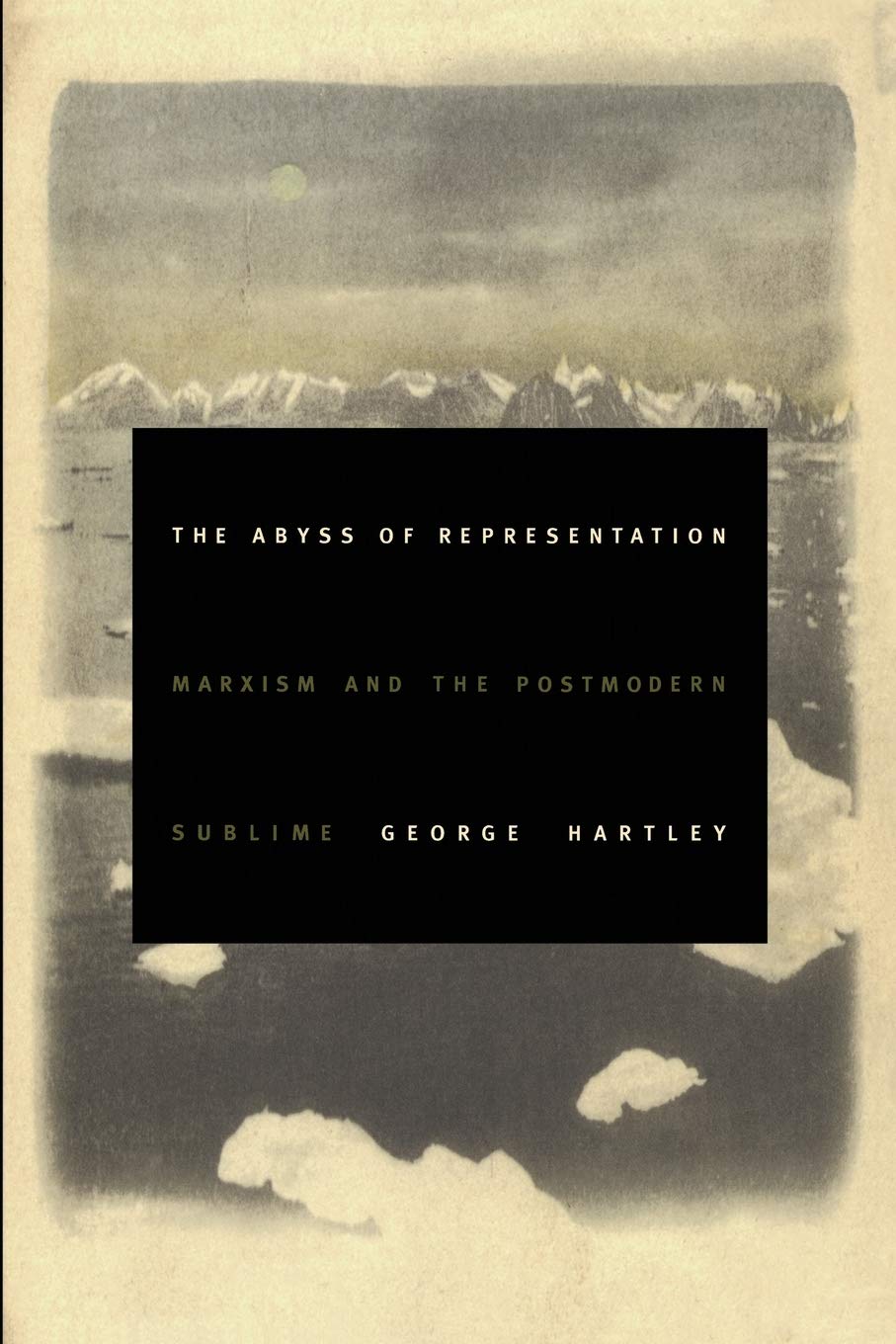
From the Copernican revolution of Immanuel Kant to the cognitive mapping of Fredric Jameson to the postcolonial politics of Gayatri Chakravorty Spivak, representation has been posed as both indispensable and impossible. In his pathbreaking work, The Abyss of Representation, George Hartley traces the development of this impossible necessity from its German Idealist roots through Marxist theories of postmodernism, arguing that in this period of skepticism and globalization we are still grappling with issues brought forth during the age of romanticism and revolution. Hartley shows how the modern problem of representationthe inability of a figure to do justice to its objectstill haunts today's postmodern philosophy and politics. He reveals the ways the sublime abyss that opened up in Idealist epistemology and aesthetics resurfaces in recent theories of ideology and subjectivity.Hartley describes how modern theory from Kant through Lacan attempts to come to terms with the sublime limits of representation and how ideas developed with the Marxist traditionsuch as Marxs theory of value, Althussers theory of structural causality, or Zizeks theory of ideological enjoymentcan be seen as variants of the sublime object. Representation, he argues, is ultimately a political problem. Whether that problem be a Marxist representation of global capitalism, a deconstructive representation of subaltern women, or a Chicano selfrepresentation opposing AngloAmerican images of Mexican Americans, it is only through this grappling with the negative, Hartley explains, that a Marxist theory of postmodernism can begin to address the challenges of global capitalism and resurgent imperialism.
⚠️ WARNING (California Proposition 65):
This product may contain chemicals known to the State of California to cause cancer, birth defects, or other reproductive harm.
For more information, please visit www.P65Warnings.ca.gov.