
Title
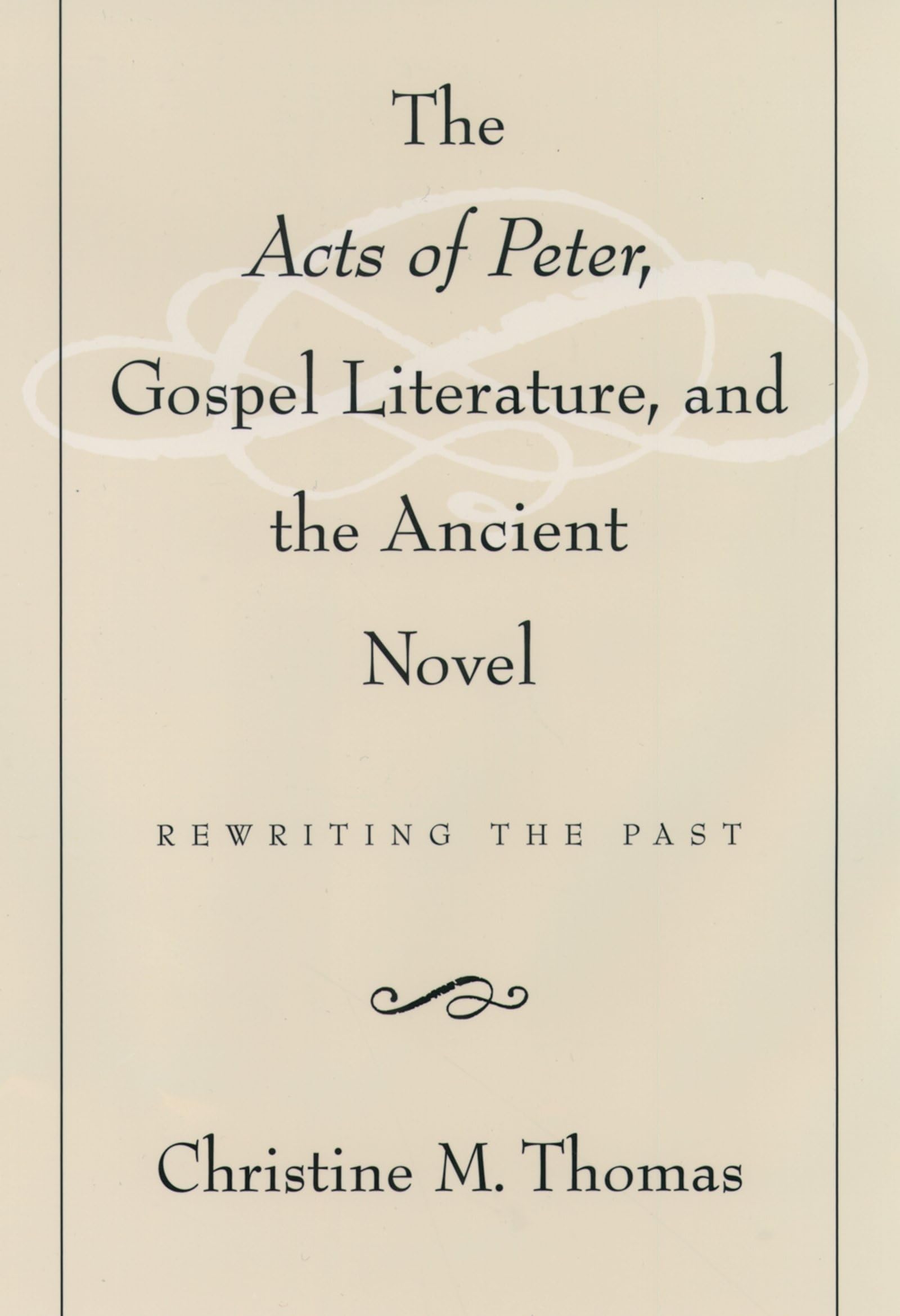
The Acts of Peter, Gospel Literature, and the Ancient Novel: Rewriting the Past,Used
Sold by Ergodebooks, an authorized reseller.
Returns accepted within 30 days | support@ergodebooks.com
Shipping Information
- Free Standard Shipping — United States only
- Processing Time: 3–5 business days
- Estimated Delivery: 6–10 business days after dispatch
- Double-boxed, fully insured & discreetly packaged
- Tracking number sent via email once dispatched
Returns & Refund
Returns accepted within 30 days of delivery.
Damaged or Defective Item
Free return shipping + replacement or full refund
Wrong Item Received
Free return shipping + replacement or full refund
Change of Mind
Return shipping at customer's expense · 25% restocking fee applies
Payment Option

The Acts of Peter, one of the Apocryphal Acts of the Apostles that detail the exploits of the key figures of early Christianity, provides a unique window into the formation of early Christian narrative. Like the Gospels, the Acts of Peter developed from disparate oral and written narrative from the first century. The apocryphal text, however, continued to develop into a number of recastings, translations, abridgements, and expansions. The Acts of Peter present Christian narrative in an alternate universe, in which canonization did not halt the process of creative recomposition.Now, in this groundbreaking book, Thomas examines the sources and subsequent versions of the Acts, from the earliest traditions through the sixthcentury Passions of the Apostles, arguing the importance of its "narrative fluidity": the existence of the work in several versions or multiforms. This feature, shared with the Jewish novels of Esther and Daniel, the Greek romance about Alexander the Great, and the Christian Gospels, allows these narratives to adapt to accommodate the changing historical circumstances of their audiences. In each new version, the audiences' defining conflicts were reflected in the text, echoing a historical consciousness more often identified with primary oral societies, in which the account of the past is a malleable script explaining the present. Although the genre most closely comparable to these works is the ancient novel, their serious historical intent separates them from the later, more selfconsciously fictive novels, and maintains them within the realm of the earlier historical novels produced by ethnic subcultures within the Roman empire.
⚠️ WARNING (California Proposition 65):
This product may contain chemicals known to the State of California to cause cancer, birth defects, or other reproductive harm.
For more information, please visit www.P65Warnings.ca.gov.