
Title
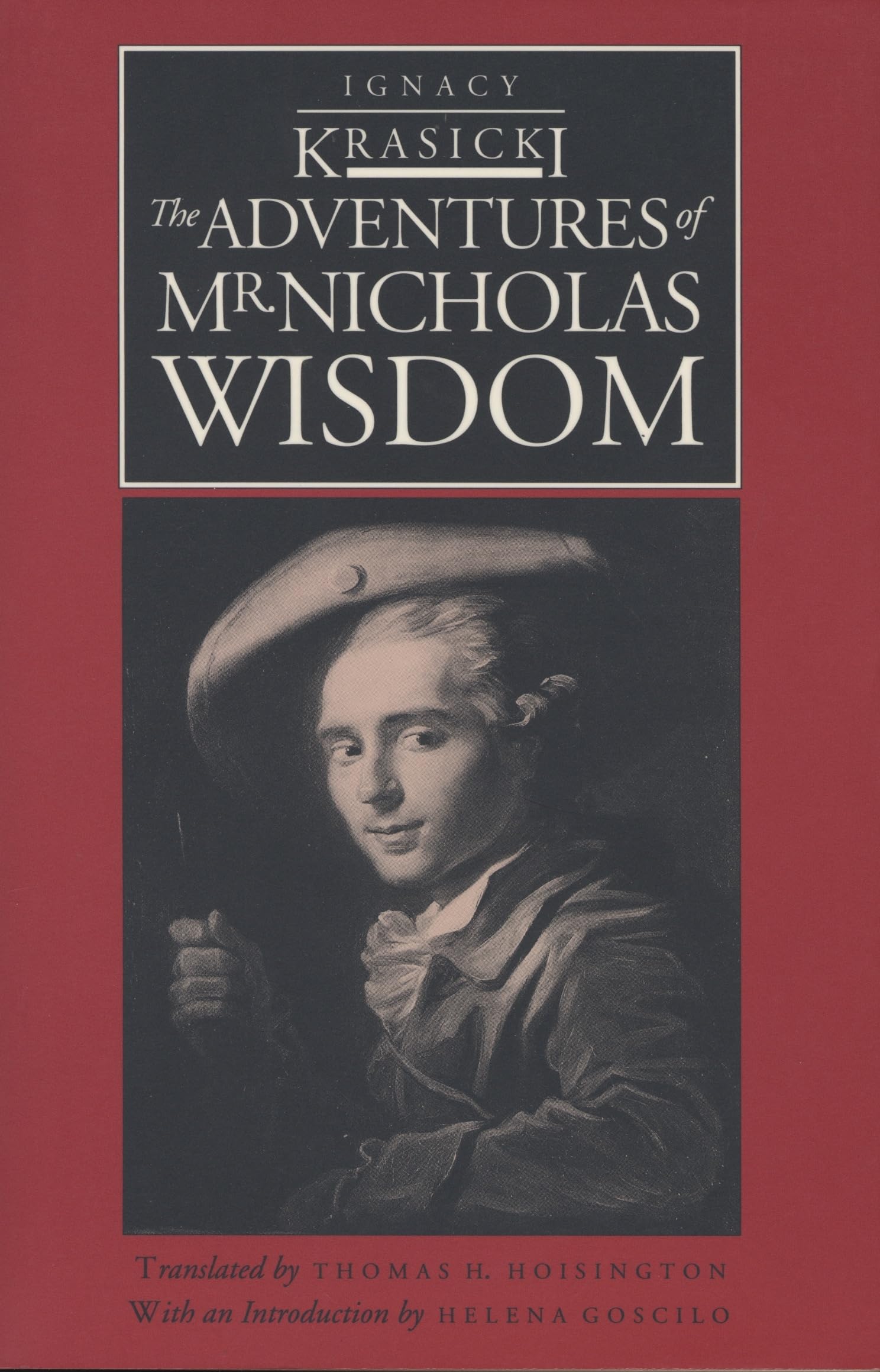
The Adventures Of Mr. Nicholas Wisdom (European Classics),New
Sold by Ergodebooks, an authorized reseller.
Returns accepted within 30 days | support@ergodebooks.com
Shipping Information
- Free Standard Shipping — United States only
- Processing Time: 3–5 business days
- Estimated Delivery: 6–10 business days after dispatch
- Double-boxed, fully insured & discreetly packaged
- Tracking number sent via email once dispatched
Returns & Refund
Returns accepted within 30 days of delivery.
Damaged or Defective Item
Free return shipping + replacement or full refund
Wrong Item Received
Free return shipping + replacement or full refund
Change of Mind
Return shipping at customer's expense · 25% restocking fee applies
Payment Option

Winner, 1997 National Book Award for PoetryWinner, 1993 PEN BookoftheMonth Club Translation PrizePublished in 1776 and considered the first Polish novel ever written, The Adventures of Mr. Nicholas Wisdom is a picaresque tale following the nave title character's coming of age. Having conquered (and fled) sophisticated Warsaw, Nicholas enjoys many adventures across Europe, South America, and the high seas. He finally lands among the natives of an unknown isle who reject his allegedly superior European ways and instead tutor him for an 'enlightened' existence. Resonant with Enlightenment ideas, The Adventures of Mr. Nicholas Wisdom provides a sly portrait of the era's Polish society and a fascinating perspective on the broader problems of eighteenthcentury European culture.
⚠️ WARNING (California Proposition 65):
This product may contain chemicals known to the State of California to cause cancer, birth defects, or other reproductive harm.
For more information, please visit www.P65Warnings.ca.gov.
- Q: How many pages does this book have? A: This book has one hundred forty-eight pages. It provides a captivating exploration of Polish literature and culture.
- Q: What are the dimensions of the book? A: The book measures five point twelve inches in length, zero point six inches in width, and seven point seventy-six inches in height. These dimensions make it a portable read.
- Q: What type of binding does this book have? A: This book is available in paperback binding. This makes it lightweight and easy to handle for readers.
- Q: Who is the author of The Adventures of Mr. Nicholas Wisdom? A: The author is Ignacy Krasicki. He is recognized for his contributions to Polish literature.
- Q: What genre does this book belong to? A: This book belongs to the European classics genre. It is considered an important work in Polish literary history.
- Q: Is this book suitable for young readers? A: Yes, this book is suitable for young readers, particularly those interested in classic literature. However, parental guidance is advised due to complex themes.
- Q: How can I read this book effectively? A: To read this book effectively, take your time to appreciate the historical context and the picaresque style. Consider discussing themes with others for a deeper understanding.
- Q: Is there a specific reading level recommended for this book? A: This book is generally recommended for readers aged twelve and up. Its themes and language may be complex for younger readers.
- Q: How should I care for this paperback book? A: To care for this paperback book, store it in a cool, dry place and avoid exposing it to direct sunlight. Keeping it on a shelf can help prevent bending.
- Q: What is the best way to store this book? A: The best way to store this book is upright on a shelf, supported by other books. This helps maintain its shape and condition.
- Q: What if the book arrives damaged? A: If the book arrives damaged, contact the seller for a replacement or return. Most sellers have policies in place for damaged items.
- Q: Can I return this book if I don't like it? A: Yes, you can typically return this book if you are not satisfied. Be sure to check the return policy of the seller.
- Q: Is there a warranty for this book? A: No, there is no warranty for this book. However, return policies often cover issues related to damage or dissatisfaction.
- Q: How do I handle common issues with this book? A: For common issues like torn pages or covers, use tape for minor repairs or contact a book repair service for significant damage.
- Q: What makes this book stand out among other European classics? A: This book stands out due to its historical significance as the first Polish novel and its unique picaresque narrative style.
- Q: How does this book compare to other works by Ignacy Krasicki? A: This book is often compared to other works by Ignacy Krasicki for its satirical style and exploration of Enlightenment thought, showcasing his literary prowess.