If you have any questions, you are always welcome to contact us. We'll get back to you as soon as possible, withing 24 hours on weekdays.
Customer service
All questions about your order, return and delivery must be sent to our customer service team by e-mail at yourstore@yourdomain.com
Sale & Press
If you are interested in selling our products, need more information about our brand or wish to make a collaboration, please contact us at press@yourdomain.com
Help
If you have any questions, you are always welcome to contact us. We'll get back to you as soon as possible, withing 24 hours on weekdays.
Customer service
All questions about your order, return and delivery must be sent to our customer service team by e-mail at yourstore@yourdomain.com
Sale & Press
If you are interested in selling our products, need more information about our brand or wish to make a collaboration, please contact us at press@yourdomain.com
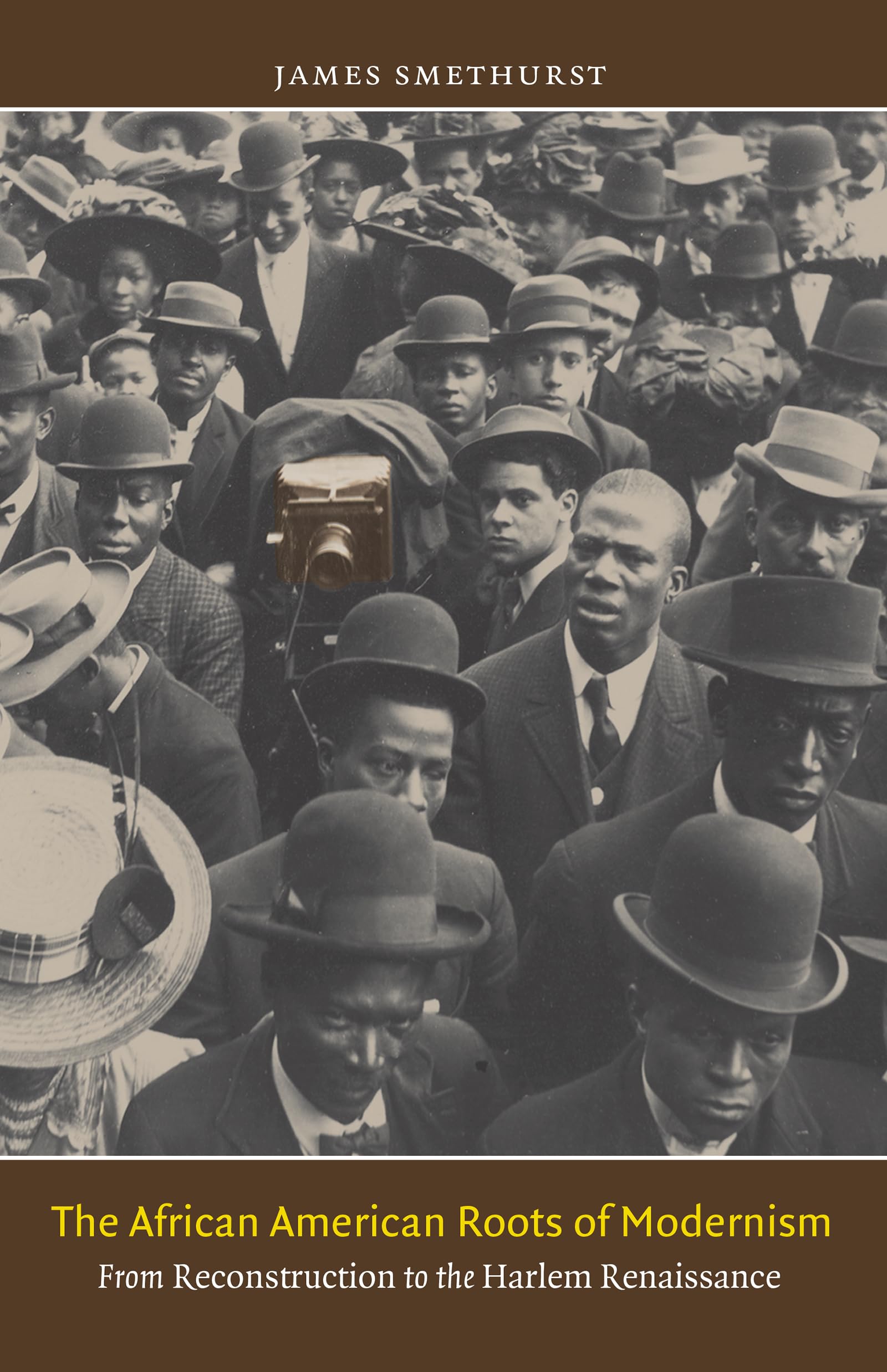
The period between 1880 and 1918, at the end of which Jim Crow was firmly established and the Great Migration of African Americans was well under way, was not the nadir for black culture, James Smethurst reveals, but instead a time of profound response from African American intellectuals. The African American Roots of Modernism explores how the Jim Crow system triggered significant artistic and intellectual responses from African American writers, deeply marking the beginnings of literary modernism and, ultimately, notions of American modernity.In identifying the Jim Crow period with the coming of modernity, Smethurst upsets the customary assessment of the Harlem Renaissance as the first nationally significant black arts movement, showing how artists reacted to Jim Crow with migration narratives, poetry about the black experience, black performance of popular culture forms, and more. Smethurst introduces a whole cast of characters, including understudied figures such as William Stanley Braithwaite and Fenton Johnson, and more familiar authors such as Charles Chesnutt, Pauline Hopkins, and James Weldon Johnson. By considering the legacy of writers and artists active between the end of Reconstruction and the rise of the Harlem Renaissance, Smethurst illuminates their influence on the black and white U.S. modernists who followed.
⚠️ WARNING (California Proposition 65):
This product may contain chemicals known to the State of California to cause cancer,
birth defects, or other reproductive harm.
For MAP (Minimum Advertised Price) violations and Intellectual Property (IP) or Trademark concerns, please contact:
support@ergodebooks.com
⚠️ California Proposition 65 Warning: Some products sold on this website may expose you to chemicals known to the State of California to cause cancer, birth defects, or other reproductive harm. For more information, visit www.P65Warnings.ca.gov.