
Title
The American Dreams Of John B. Prentis, Slave Trader (Race In The Atlantic World, 17001900 Ser.),Used
Sold by Ergodebooks, an authorized reseller.
Returns accepted within 30 days | support@ergodebooks.com
Shipping Information
- Free Standard Shipping — United States only
- Processing Time: 3–5 business days
- Estimated Delivery: 6–10 business days after dispatch
- Double-boxed, fully insured & discreetly packaged
- Tracking number sent via email once dispatched
Returns & Refund
Returns accepted within 30 days of delivery.
Damaged or Defective Item
Free return shipping + replacement or full refund
Wrong Item Received
Free return shipping + replacement or full refund
Change of Mind
Return shipping at customer's expense · 25% restocking fee applies
Payment Option

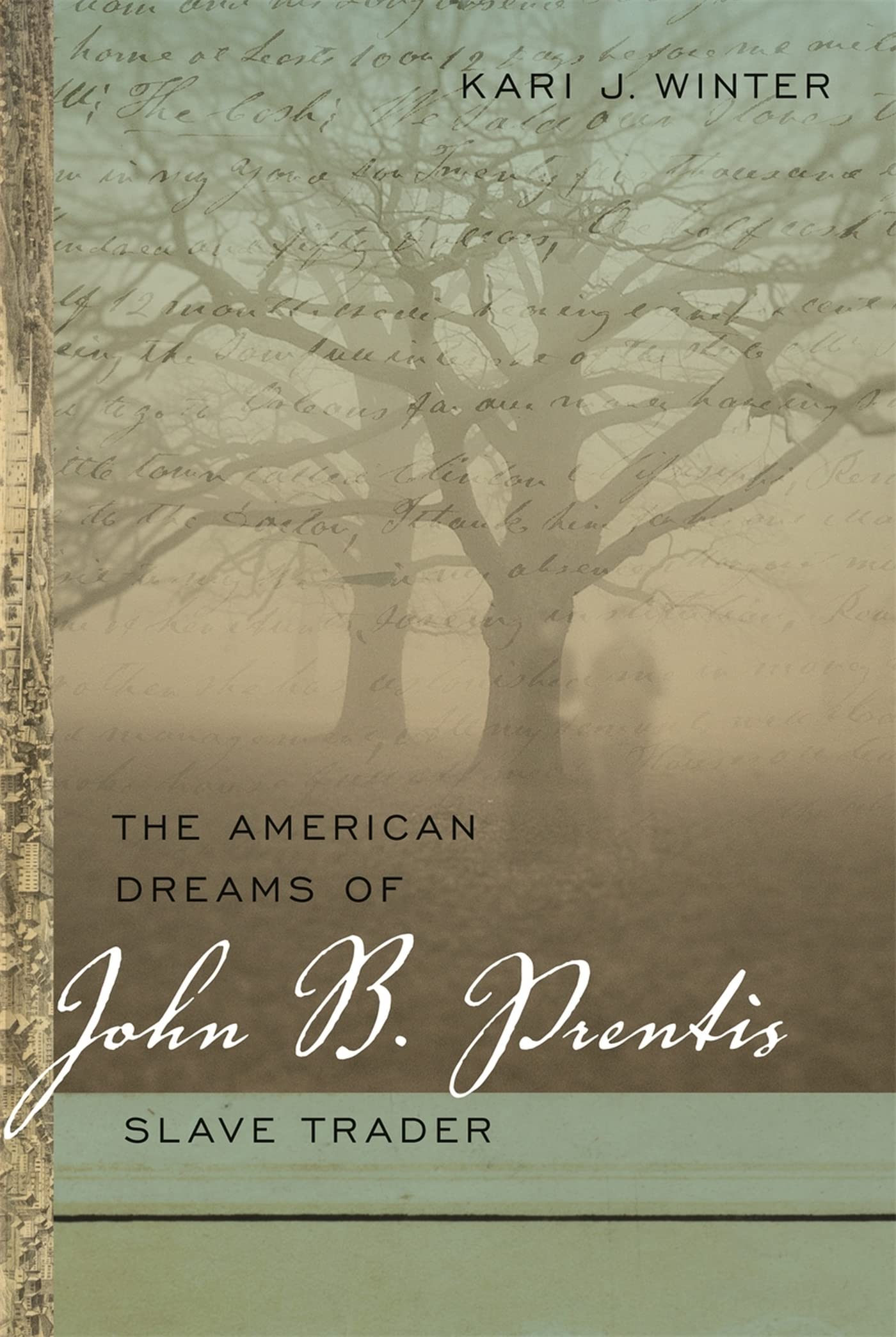
As a young man, John B. Prentis (17881848) expressed outrage over slavery, but by the end of his life he had transported thousands of enslaved persons from the upper to the lower South. Kari J. Winters lifeandtimes portrayal of a slave trader illuminates the clash between two American dreams: one of wealth, the other of equality.Prentis was born into a prominent Virginia family. His grandfather, William Prentis, emigrated from London to Williamsburg in 1715 as an indentured servant and rose to become the major shareholder in colonial Virginias most successful store. Williams son Joseph became a Revolutionary judge and legislator who served alongside Thomas Jefferson, Patrick Henry, and James Madison. Joseph Jr. followed his fathers legal career, whereas John was drawn to commerce. To finance his early business ventures, he began trading in slaves. In time he grew besotted with the highstakes trade, appeasing his conscience with the populist platitudes of Jacksonian democracy, which aggressively promoted white male democracy in conjunction with white male supremacy.Prentiss life illuminates the intertwined politics of labor, race, class, and gender in the young American nation. Participating in a revolution in the ethics of labor that upheld Benjamin Franklin as its icon, he rejected the gentility of his upbringing to embrace solidarity with mechanicks, white workingclass men. His capacity for admirable thoughts and actions complicates images drawn by elite slaveholders, who projected the worst aspects of slavery onto traders while imagining themselves as benign patriarchs. This is an absorbing story of a man who betrayed his innate sense of justice to pursue wealth through the most vicious forms of human exploitation.
⚠️ WARNING (California Proposition 65):
This product may contain chemicals known to the State of California to cause cancer, birth defects, or other reproductive harm.
For more information, please visit www.P65Warnings.ca.gov.