
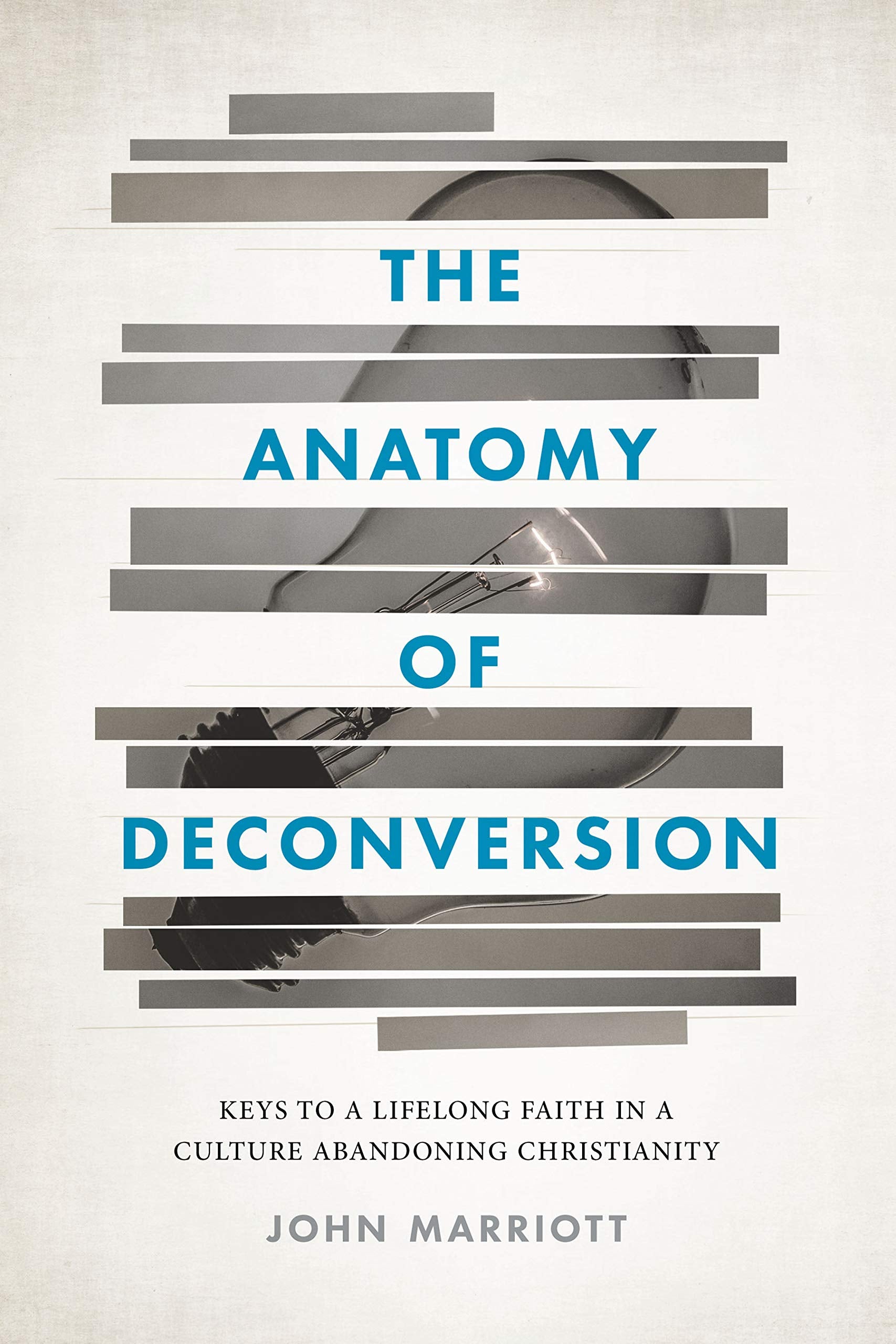
Title
The Anatomy Of Deconversion
Sold by Ergodebooks, an authorized reseller.
Returns accepted within 30 days | support@ergodebooks.com
Shipping Information
- Free Standard Shipping — United States only
- Processing Time: 3–5 business days
- Estimated Delivery: 6–10 business days after dispatch
- Double-boxed, fully insured & discreetly packaged
- Tracking number sent via email once dispatched
Returns & Refund
Returns accepted within 30 days of delivery.
Damaged or Defective Item
Free return shipping + replacement or full refund
Wrong Item Received
Free return shipping + replacement or full refund
Change of Mind
Return shipping at customer's expense · 25% restocking fee applies
Payment Option

Believers Are Abandoning Faith. But Why?Atheism Is On The Rise. What, If Anything, Can Be Done To Prevent This Trend? The Anatomy Of Deconversion Goes To The Source Of These Issues And Gives Readers A Broad Picture Of The Deconversion Process. Learn Why Believers Lose Their Faith, And, Perhaps More Importantly, Discover Why So Many Former Christians Claim To Be Happier, Freer, And More Fulfilled As Unbelievers Than They Were As Christians. No One Fully Escapes The Pitfalls In Life That Create A Faith Crisis. However, Learning To Navigate These Times Of Crisis Is The Key To Developing A Grounded, Flourishing Faith.Based On Data Gleaned From First Person Interviews And Written Narratives, The Anatomy Of Deconversion Uncovers The Reasons, Processes, And Impacts Of Deconverting From Christianity. Unlike Other Books That Address The Topic Of Deconversion From A Purely Theological Perspective, The Anatomy Of Deconversion Takes A Multidisciplinary Approach. In Doing So, It Provides The Only Comprehensive Account Of Deconversion Available Today.
⚠️ WARNING (California Proposition 65):
This product may contain chemicals known to the State of California to cause cancer, birth defects, or other reproductive harm.
For more information, please visit www.P65Warnings.ca.gov.
- Q: How many pages does The Anatomy of Deconversion have? A: This book has two hundred forty pages. It provides an in-depth exploration of the deconversion process.
- Q: What is the binding type of this book? A: The binding type is paperback. This allows for easy handling and reading.
- Q: Who is the author of The Anatomy of Deconversion? A: The author is John Marriott. He presents a multidisciplinary approach to the subject.
- Q: What is the main theme of The Anatomy of Deconversion? A: The main theme is the exploration of why believers abandon their faith. It examines personal narratives and broader societal trends.
- Q: Is this book suitable for young readers? A: Yes, but it is recommended for older teens and adults. It addresses complex issues regarding faith and belief.
- Q: How can I best use this book for personal reflection? A: You can use it as a guide for understanding your faith journey. Reflecting on the interviews and narratives can provide insights.
- Q: Are there any discussion questions in the book? A: No, this book does not include discussion questions. However, readers are encouraged to reflect on the content.
- Q: What kind of audience is The Anatomy of Deconversion intended for? A: It is intended for individuals interested in faith crises and deconversion narratives. This includes both believers and non-believers.
- Q: How should I store The Anatomy of Deconversion? A: Store it in a cool, dry place away from direct sunlight. This will help preserve the quality of the paperback binding.
- Q: Is The Anatomy of Deconversion a good choice for academic study? A: Yes, it provides a comprehensive account of deconversion. Its multidisciplinary approach makes it suitable for various academic discussions.
- Q: What if I receive a damaged copy of the book? A: You should contact the seller for a return or exchange. Most sellers will have a return policy in place.
- Q: Can I find this book in libraries? A: Yes, many libraries may carry The Anatomy of Deconversion. Check your local library's catalog for availability.
- Q: Is there a digital version of this book? A: Yes, a digital version may be available. Check online platforms or e-book retailers.
- Q: What kind of research methods did the author use? A: The author used first-person interviews and written narratives. This qualitative research provides a personal touch to the findings.
- Q: Does this book provide solutions to faith crises? A: Yes, it offers insights on navigating faith crises. The author emphasizes the importance of understanding personal experiences.
- Q: What makes this book different from other books on deconversion? A: Its multidisciplinary approach sets it apart. It combines various perspectives rather than focusing solely on theology.