
Title
The Anatomy Of Nature: Geology And American Landscape Painting, 18251875,New
Sold by Ergodebooks, an authorized reseller.
Returns accepted within 30 days | support@ergodebooks.com
Shipping Information
- Free Standard Shipping — United States only
- Processing Time: 3–5 business days
- Estimated Delivery: 6–10 business days after dispatch
- Double-boxed, fully insured & discreetly packaged
- Tracking number sent via email once dispatched
Returns & Refund
Returns accepted within 30 days of delivery.
Damaged or Defective Item
Free return shipping + replacement or full refund
Wrong Item Received
Free return shipping + replacement or full refund
Change of Mind
Return shipping at customer's expense · 25% restocking fee applies
Payment Option

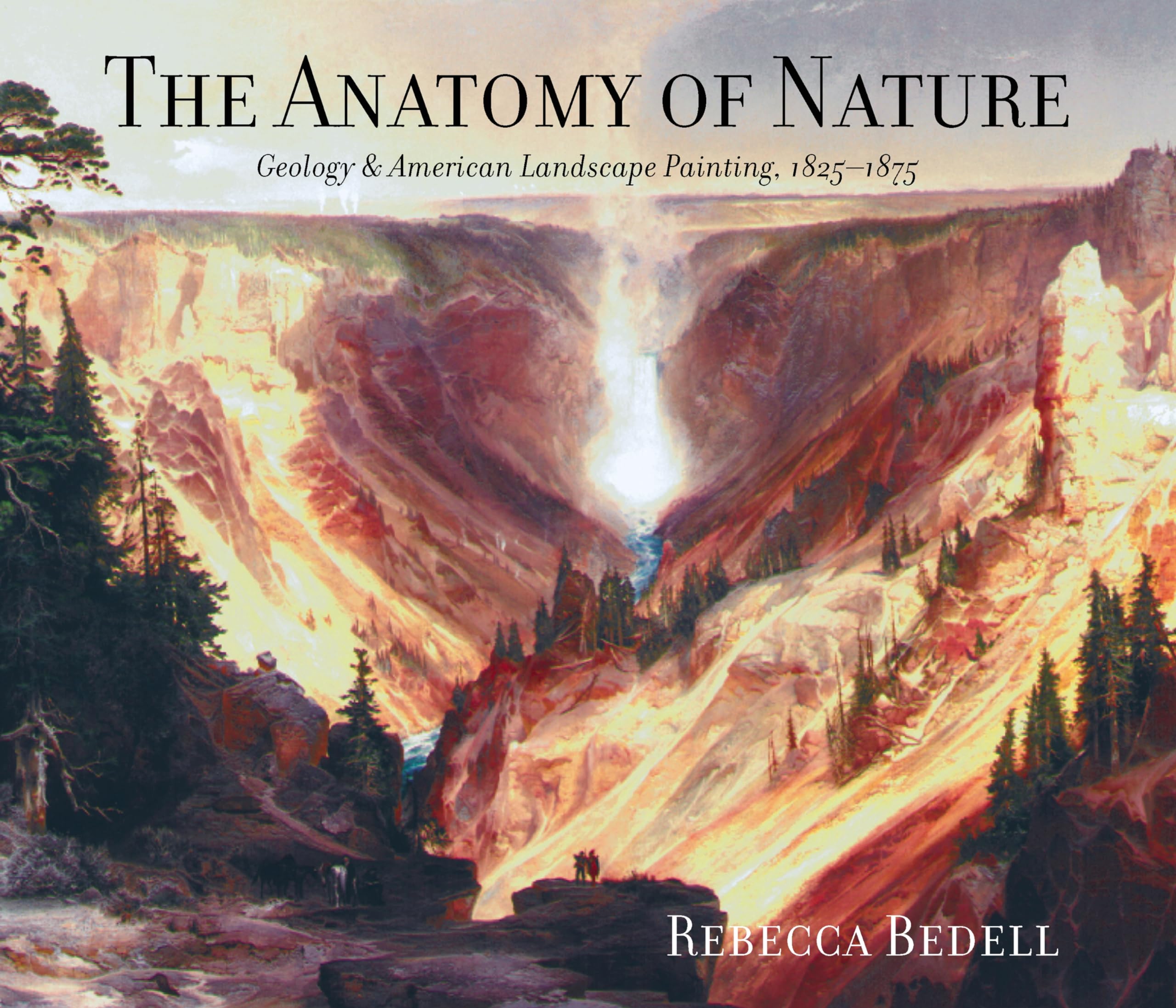
An Illuminating Account Of The Interplay Between Science, Religion, And Nature In Nineteenthcentury Landscape Paintinggeology Was In Vogue In Nineteenthcentury America. People Crowded Lecture Halls To Hear Geologists Speak, And Parlor Mineral Cabinets Signaled Social Respectability And Intellectual Engagement. This Was Also The Heyday Of The Hudson River School, And Many Prominent Landscape Painters Avidly Studied Geology. Thomas Cole, Asher Durand, Frederic Church, John F. Kensett, William Stanley Haseltine, Thomas Moran, And Other Artists Read Scientific Texts, Participated In Geological Surveys, And Carried Rock Hammers Into The Field To Collect Fossils And Mineral Specimens. As They Crafted Their Paintings, These Artists Drew On Their Geological Knowledge To Shape New Vocabularies Of Landscape Elements Resonant With Moral, Spiritual, And Intellectual Ideas.Rebecca Bedell Contributes To Current Debates About The Relationship Among Art, Science, And Religion By Exploring This Phenomenon. She Shows That At A Time When Many Geologists Sought To Disentangle Their Science From Religion, American Artists Generally Sidestepped The Era'S More Materialist Science, Particularly Darwinism. They Favored A Conservative, Christianized Geology That Promoted Scientific Study As A Way To Understand God. Their Art Was Both Shaped By And Sought To Preserve This Threatened Version Of The Science. And, Through Their Art, They Advanced Consequential Social Developments, Including Westward Expansion, Scenic Tourism, The Emergence Of A Therapeutic Culture, And The Creation Of A Coherent And Cohesive National Identity.This Major Study Of The Hudson River School Offers An Unprecedented Account Of The Role Of Geology In Nineteenthcentury Landscape Painting. It Yields Fresh Insights Into Some Of The Most Influential Works Of American Art And Enriches Our Understanding Of The Relationship Between Art And Nature, And Between Science And Religion, In The Nineteenth Century. It Will Draw A Broad Audience Of Art Historians, Americanists, Historians Of Science, And Readers Interested In The American Natural Landscape.
⚠️ WARNING (California Proposition 65):
This product may contain chemicals known to the State of California to cause cancer, birth defects, or other reproductive harm.
For more information, please visit www.P65Warnings.ca.gov.
- Q: What is the page count of the book? A: The book contains two hundred pages. This length provides a comprehensive exploration of geology's influence on American landscape painting.
- Q: What are the dimensions of the book? A: The book measures ten point twenty-five inches in length, one inch in width, and nine point twenty-five inches in height. These dimensions make it a manageable size for reading and display.
- Q: What is the binding type of the book? A: The book is paperback bound. This binding style is lightweight and flexible, making it easy to handle and read.
- Q: Who is the author of the book? A: The author of the book is Rebecca Bedell. She provides insightful analysis on the relationship between art, science, and religion.
- Q: What genre does the book belong to? A: The book falls under the History genre. It explores the historical context of geology in American art.
- Q: Is the book suitable for young readers? A: The book is not specifically designed for young readers. Its themes are more suited for adults and those interested in art history.
- Q: What themes are explored in the book? A: The book explores themes of geology, landscape painting, and the interplay between science and religion in the nineteenth century. It offers a deep dive into the cultural significance of these topics.
- Q: How should I care for this book? A: To care for the book, keep it in a dry place away from direct sunlight. This will help preserve its condition and prevent fading.
- Q: Is there a warranty or return policy for the book? A: Typically, used books like this one may not have a warranty. Check the seller's return policy for specifics regarding returns or exchanges.
- Q: What should I do if the book arrives damaged? A: If the book arrives damaged, contact the seller immediately. Most retailers will provide instructions for returns or exchanges.
- Q: Can I find similar books on this topic? A: Yes, there are many books on art history and geology. Look for titles related to the Hudson River School or American landscape painting.
- Q: Is the book considered a scholarly work? A: Yes, the book is a scholarly work. It provides a major study of the Hudson River School and contributes to academic discussions.
- Q: Does this book offer insights into specific artists? A: Yes, the book discusses prominent artists like Thomas Cole and Frederic Church. It highlights their connections to geology and landscape painting.
- Q: What age group is the book intended for? A: The book is intended for adults and older students interested in history and art. It may not be suitable for younger audiences.
- Q: How does this book relate to American identity? A: The book explores how art influenced the creation of a cohesive American identity during the nineteenth century. It examines geology's role in shaping cultural narratives.