
Title
The Angel Out Of The House: Philanthropy And Gender In Nineteenthcentury England (Victorian Literature And Culture Series),Used
Sold by Ergodebooks, an authorized reseller.
Returns accepted within 30 days | support@ergodebooks.com
Shipping Information
- Free Standard Shipping — United States only
- Processing Time: 3–5 business days
- Estimated Delivery: 6–10 business days after dispatch
- Double-boxed, fully insured & discreetly packaged
- Tracking number sent via email once dispatched
Returns & Refund
Returns accepted within 30 days of delivery.
Damaged or Defective Item
Free return shipping + replacement or full refund
Wrong Item Received
Free return shipping + replacement or full refund
Change of Mind
Return shipping at customer's expense · 25% restocking fee applies
Payment Option

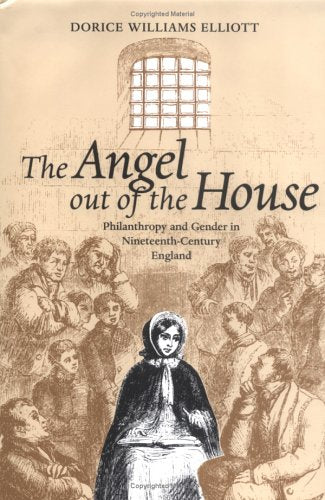
Was nineteenthcentury British philanthropy the 'truest and noblest womans work' and praiseworthy for having raised the nations moral tone, or was it a dangerous mission likely to cause the defeminization of its practitioners as they became 'public persons'? In Victorian England, womens participation in volunteer work seemed to be a natural extension of their domestic role, but like many other assumptions about gender roles, the connection between charitable and domestic work is the result of specific historical factors and cultural representations. Proponents of women as charitable workers encouraged philanthropy as being ideal work for a woman, while opponents feared the practice was destined to lead to overly ambitious and manly behavior.In The Angel out of the House Dorice Williams Elliott examines the ways in which novels and other texts that portrayed women performing charitable acts helped to make the inclusion of philanthropic work in the domestic sphere seem natural and obvious. And although many scholars have dismissed womens volunteer endeavors as merely patriarchal collusion, Elliott argues that the conjunction of novelistic and philanthropic discourse in the works of women writersamong them George Eliot and Elizabeth Gaskell, Hannah More and Anna Jamesonwas crucial to the redefinition of gender roles and class relations.In a fascinating study of how literary works contribute to cultural and historical change, Elliotts exploration of philanthropic discourse in nineteenthcentury literature demonstrates just how essential that forum was in changing accepted definitions of women and social relations.
⚠️ WARNING (California Proposition 65):
This product may contain chemicals known to the State of California to cause cancer, birth defects, or other reproductive harm.
For more information, please visit www.P65Warnings.ca.gov.