
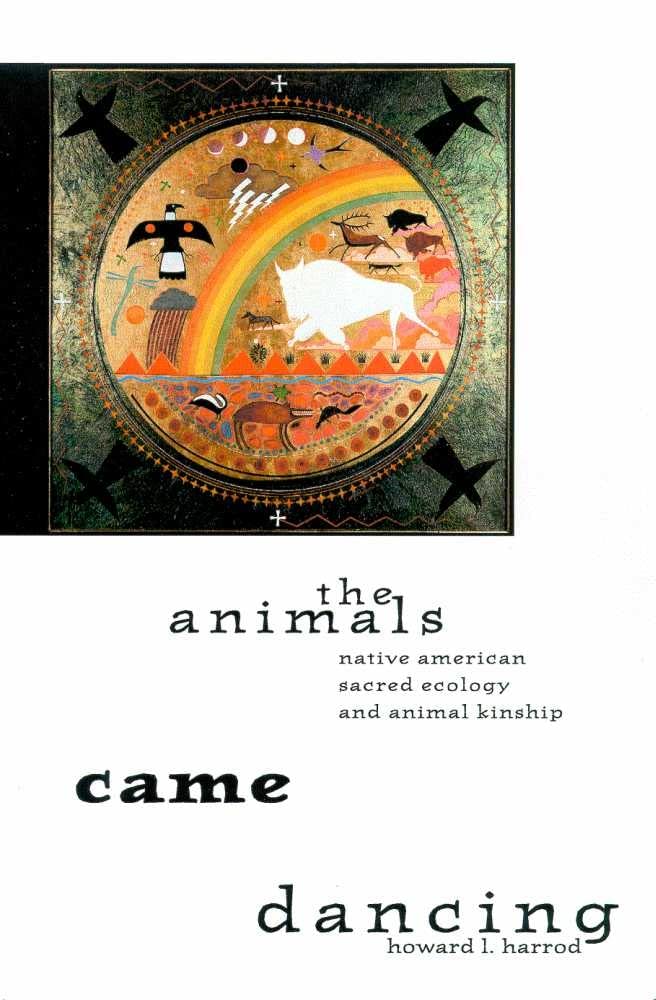
Title
The Animals Came Dancing: Native American Sacred Ecology and Animal Kinship,Used
Sold by Ergodebooks, an authorized reseller.
Returns accepted within 30 days | support@ergodebooks.com
Shipping Information
- Free Standard Shipping — United States only
- Processing Time: 3–5 business days
- Estimated Delivery: 6–10 business days after dispatch
- Double-boxed, fully insured & discreetly packaged
- Tracking number sent via email once dispatched
Returns & Refund
Returns accepted within 30 days of delivery.
Damaged or Defective Item
Free return shipping + replacement or full refund
Wrong Item Received
Free return shipping + replacement or full refund
Change of Mind
Return shipping at customer's expense · 25% restocking fee applies
Payment Option

The Native American hunter had a true appreciation of where his food came from and developed a ritual relationship to animal lifean understanding and attitude almost completely lacking in modern culture. In this major overview of the relation between Indians and animals on the northern Great Plains, Howard Harrod recovers a sense of the knowledge that hunting peoples had of the animals upon which they depended and raises important questions about Euroamerican relationships with the natural world. Harrod's account deals with twelve Northern Plains peoplesLakota, Blackfeet, Cheyenne, Pawnee, and otherswho with the arrival of the horse in the eighteenth century became the buffalo hunters who continue to inhabit the American imagination. Harrod describes their hunting practices and the presence of animals in their folklore and shows how these traditions reflect a 'sacred ecology' in which humans exist in relationship with other powers, including animals. Drawing on memories of Native Americans recorded by anthropologists, fur traders, missionaries, and other observers, Harrod examines cultural practices that flourished from the mideighteenth to the midnineteenth century. He reconstructs the complex rituals of Plains peoples, which included buffalo hunting ceremonies employing bundles or dancing, and rituals such as the Sun Dance for the renewal of animals. In a closing chapter, Harrod examines the meanings of Indiananimal relations for a contemporary society that values human dominance over the natural worldone in which domestic animals are removed from our consciousness as a source of food, wild animals are managed for humans to 'experience,' and hunting has become a form of recreation. His meticulous scholarship reimagines a vanished way of life, while his keen insights give voice to a hunger among many contemporary people for the recovery of a ritual relationship between themselves and the natural sources of their lives.
⚠️ WARNING (California Proposition 65):
This product may contain chemicals known to the State of California to cause cancer, birth defects, or other reproductive harm.
For more information, please visit www.P65Warnings.ca.gov.
- Q: What is the main theme of 'The Animals Came Dancing'? A: The main theme of 'The Animals Came Dancing' revolves around the relationship between Native American cultures and animals, highlighting their understanding of animal life and the rituals associated with hunting.
- Q: Who is the author of this book? A: 'The Animals Came Dancing' is authored by Howard L. Harrod.
- Q: What is the condition of the book? A: The book is listed as 'Used Book in Good Condition'.
- Q: How many pages does this book have? A: 'The Animals Came Dancing' contains 170 pages.
- Q: What edition of the book is available? A: This listing is for the 2nd edition of 'The Animals Came Dancing'.
- Q: When was the book published? A: 'The Animals Came Dancing' was published on February 1, 2000.
- Q: What topics does the book cover? A: The book covers topics such as Native American hunting practices, animal folklore, and the cultural significance of animals in the context of sacred ecology.
- Q: Is this book suitable for those interested in ecology? A: Yes, the book is categorized under Ecology and explores the relationship between humans and the natural world.
- Q: What unique perspectives does the author provide? A: Howard Harrod provides insights into the cultural rituals of Plains peoples and raises questions about contemporary human dominance over nature.
- Q: Does the book include any historical accounts? A: Yes, the book draws on historical accounts and memories recorded by anthropologists and other observers of Native American cultures.