
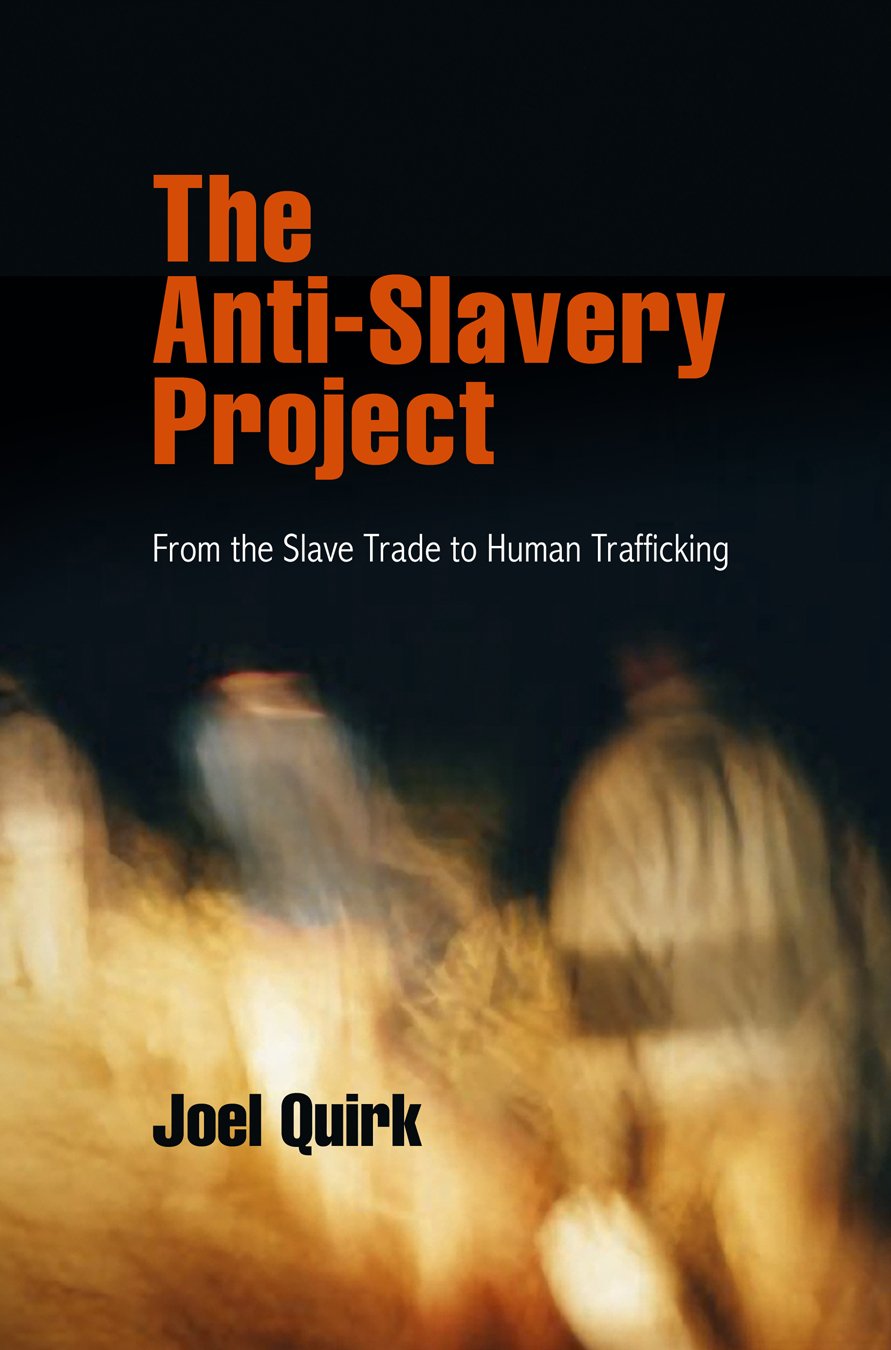
Title
The Antislavery Project: From The Slave Trade To Human Trafficking (Pennsylvania Studies In Human Rights),Used
Sold by Ergodebooks, an authorized reseller.
Returns accepted within 30 days | support@ergodebooks.com
Shipping Information
- Free Standard Shipping — United States only
- Processing Time: 3–5 business days
- Estimated Delivery: 6–10 business days after dispatch
- Double-boxed, fully insured & discreetly packaged
- Tracking number sent via email once dispatched
Returns & Refund
Returns accepted within 30 days of delivery.
Damaged or Defective Item
Free return shipping + replacement or full refund
Wrong Item Received
Free return shipping + replacement or full refund
Change of Mind
Return shipping at customer's expense · 25% restocking fee applies
Payment Option

It is commonly assumed that slavery came to an end in the nineteenth century. While slavery in the Americas officially ended in 1888, millions of slaves remained in bondage across Africa, Asia, and the Middle East well into the first half of the twentieth century. Wherever laws against slavery were introduced, governments found ways of continuing similar forms of coercion and exploitation, such as forced, bonded, and indentured labor. Every country in the world has now abolished slavery, yet millions of people continue to find themselves subject to contemporary forms of slavery, such as human trafficking, wartime enslavement, and the worst forms of child labor. The AntiSlavery Project: From the Slave Trade to Human Trafficking offers an innovative study in the attempt to understand and eradicate these ongoing human rights abuses.In The AntiSlavery Project, historian and human rights expert Joel Quirk examines the evolution of political opposition to slavery from the mideighteenth century to the present day. Beginning with the abolitionist movement in the British Empire, Quirk analyzes the philosophical, economic, and cultural shifts that eventually resulted in the legal abolition of slavery. By viewing the legal abolition of slavery as a cautious first steprather than the end of the storyhe demonstrates that modern antislavery activism can be best understood as the latest phase in an evolving response to the historical shortcomings of earlier forms of political activism.By exposing the historical and cultural roots of contemporary slavery, The AntiSlavery Project presents an original diagnosis of the underlying causes driving one of the most pressing human rights problems in the world today. It offers valuable insights for historians, political scientists, policy makers, and activists seeking to combat slavery in all its forms.
⚠️ WARNING (California Proposition 65):
This product may contain chemicals known to the State of California to cause cancer, birth defects, or other reproductive harm.
For more information, please visit www.P65Warnings.ca.gov.