
Title
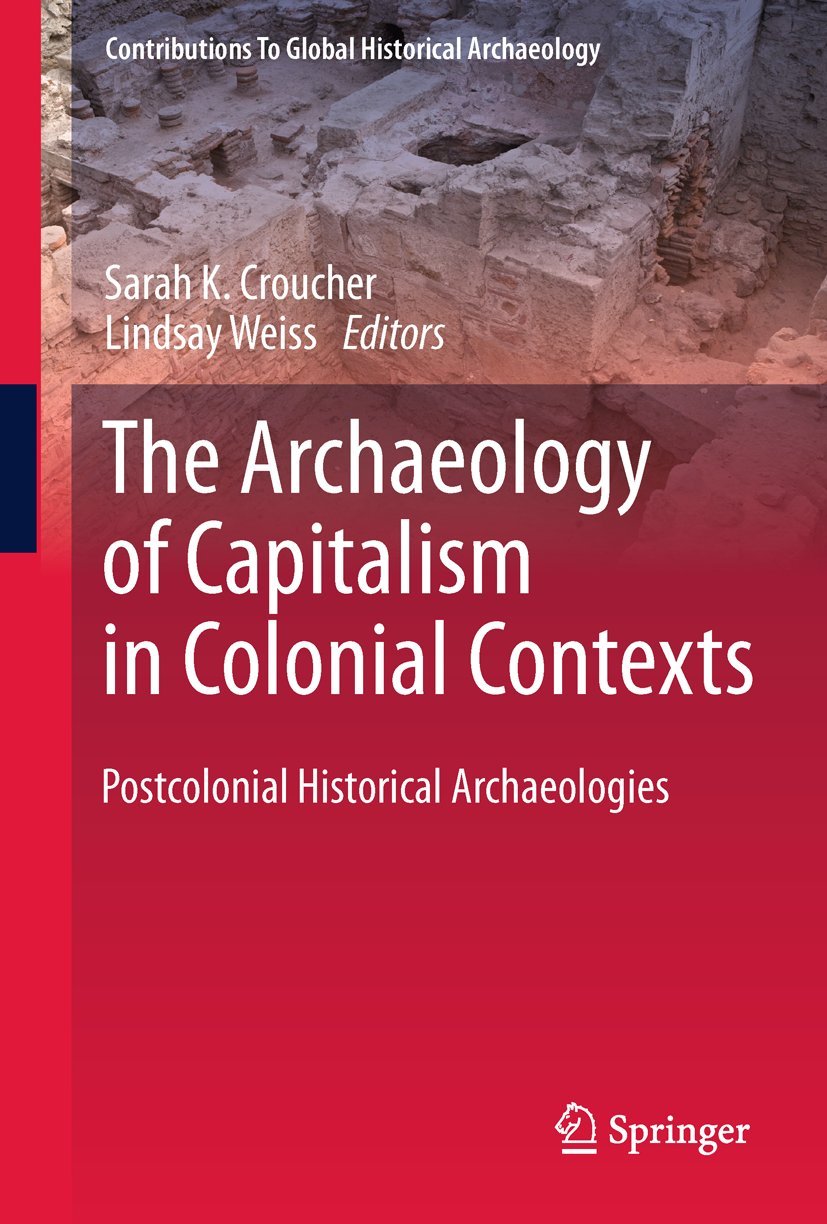
The Archaeology Of Capitalism In Colonial Contexts: Postcolonial Historical Archaeologies (Contributions To Global Historical Ar
Sold by Ergodebooks, an authorized reseller.
Returns accepted within 30 days | support@ergodebooks.com
Shipping Information
- Free Standard Shipping — United States only
- Processing Time: 3–5 business days
- Estimated Delivery: 6–10 business days after dispatch
- Double-boxed, fully insured & discreetly packaged
- Tracking number sent via email once dispatched
Returns & Refund
Returns accepted within 30 days of delivery.
Damaged or Defective Item
Free return shipping + replacement or full refund
Wrong Item Received
Free return shipping + replacement or full refund
Change of Mind
Return shipping at customer's expense · 25% restocking fee applies
Payment Option

The Archaeology Of Capitalism In Colonial Contexts: Postcolonial Historical Archaeologies Explores The Complex Interplay Of Colonial And Capital Formations Throughout The Modern World. The Authors Present A Critical Approach To This Topic, Trying To Shift Discourses In The Theoretical Framework Of Historical Archaeology Of Capitalism And Colonialism Through The Use Of Postcolonial Theory. This Work Does Not Suggest A New Theoretical Framework As Such, But Rather Suggests The Importance Of Revising Key Theoretical Terms Employed Within Historical Archaeology, Arguing For New Engagements With Postcolonial Theory Of Relevance To All Historical Archaeologists As The Field Decenters From Its Traditional Locations.Examining Case Studies From North America, South America, The Caribbean, Africa, Australia, The Middle East, And Europe, The Chapters Offer An Unusually Broad Ranging Geography Of Historical Archaeology, With Each Focused On The Interplay Between The Particularisms Of Colonial Structures And The Development Of Capitalism And Wider Theoretical Discussions. Every Author Also Draws Attention To The Ramifications Of Their Case Studies In The Contemporary World. With Its Cohesive Theoretical Framework This Volume Is A Key Resource For Those Interested In Decolonizing Historical Archaeology In Theory And Praxis, And For Those Interested In The Development Of Modern Global Dynamics.
⚠️ WARNING (California Proposition 65):
This product may contain chemicals known to the State of California to cause cancer, birth defects, or other reproductive harm.
For more information, please visit www.P65Warnings.ca.gov.
- Q: How many pages does this book have? A: This book contains three hundred thirty-six pages. It provides a comprehensive exploration of capitalism in colonial contexts.
- Q: What is the binding type of this book? A: This book is hardcover. Hardcover books are known for their durability and quality.
- Q: What are the dimensions of this book? A: The dimensions are six point one inches in length, nine point two one inches in height, and zero point nine one inches in width.
- Q: What is the main theme of this book? A: The main theme explores the interaction between colonialism and capitalism. It uses postcolonial theory to re-evaluate historical archaeology.
- Q: Who is the author of this book? A: The author is Sarah K. Croucher. She is recognized for her contributions in historical archaeology.
- Q: Is this book suitable for all audiences? A: Yes, this book is suitable for anyone interested in historical archaeology and postcolonial studies. It's particularly beneficial for researchers and students.
- Q: How can I apply the concepts in this book? A: You can apply the concepts by engaging with the case studies presented. They encourage critical thinking about colonialism and capitalism.
- Q: Is there a specific reading level for this book? A: This book is intended for an academic audience, suitable for undergraduates and above. It requires some familiarity with historical archaeology.
- Q: What is the focus of the case studies in this book? A: The case studies focus on various regions including North America, Africa, and Europe. They examine local colonial structures and capitalism.
- Q: How should I store this book? A: Store this book in a cool, dry place away from direct sunlight. This helps preserve the binding and pages.
- Q: Can I clean this book? A: Yes, you can gently wipe the cover with a soft, dry cloth. Avoid using any liquids that may damage the material.
- Q: What if I receive a damaged copy of this book? A: If you receive a damaged copy, contact the seller for a return or replacement. Most sellers have policies for such issues.
- Q: Is there a warranty on this book? A: Typically, books do not come with a warranty. However, check with the seller for their return policy.
- Q: What if I have trouble understanding the content? A: If you have trouble, consider discussing it with peers or looking for supplementary materials. Academic forums can also be helpful.
- Q: How does this book contribute to historical archaeology? A: This book contributes by challenging existing theoretical frameworks. It encourages new engagements with postcolonial theory.
- Q: Who published this book? A: This book was published by Springer, a reputable publisher in academic literature.