
Title
The Archaeology Of Collective Action (American Experience In Archaeological Pespective),New
Sold by Ergodebooks, an authorized reseller.
Returns accepted within 30 days | support@ergodebooks.com
Shipping Information
- Free Standard Shipping — United States only
- Processing Time: 3–5 business days
- Estimated Delivery: 6–10 business days after dispatch
- Double-boxed, fully insured & discreetly packaged
- Tracking number sent via email once dispatched
Returns & Refund
Returns accepted within 30 days of delivery.
Damaged or Defective Item
Free return shipping + replacement or full refund
Wrong Item Received
Free return shipping + replacement or full refund
Change of Mind
Return shipping at customer's expense · 25% restocking fee applies
Payment Option

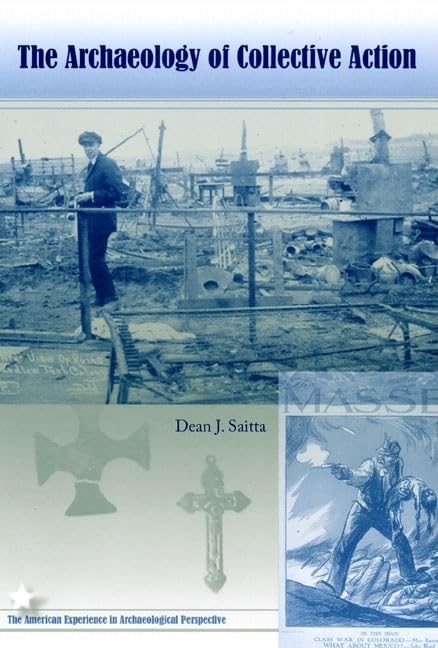
Saitta examines historical archaeologys success in reconstructing collective social action in the past and considers the implications of these reconstructions for society today. Recognizing that studies of the past can serve different social interests, creating knowledge that can be used to oppress or emancipate elements of society, Saitta argues that historical archaeology needs to move beyond its emphasis on recovering the individual to acknowledging and asserting its power to effect social change.Developing a theoretical and methodological approach to the archaeology of collective action, Saitta reviews some of the progress archaeologists have made in illuminating race, gender, and classbased forms of collective action in shaping the American experience. He then provides a case study illustrating the methods and insights archaeology brings to research on the Ludlow Massacre and the Colorado Coalfield Strike of 191314. Throughout, Saitta frames key issues and definitions in a clear, accessible style and offers compelling and persuasive arguments for the epistemological reorientation of the discipline of historical archaeology.Notably, the book makes explicit the tie between the archaeological past and the political present. Excavations of the strikers tent colony site at Ludlow, Colorado, provided novel insights into the survival tactics and resistance strategies of ordinary people locked in struggle with state and corporate power. The site became a powerful living memorial, resonating in contemporary labor struggles. Saittas book will thus have special interest for the audience of scholars, students, and citizens who see archaeology as both a source of historical truth and a comment on the contemporary human condition.
⚠️ WARNING (California Proposition 65):
This product may contain chemicals known to the State of California to cause cancer, birth defects, or other reproductive harm.
For more information, please visit www.P65Warnings.ca.gov.