
Title
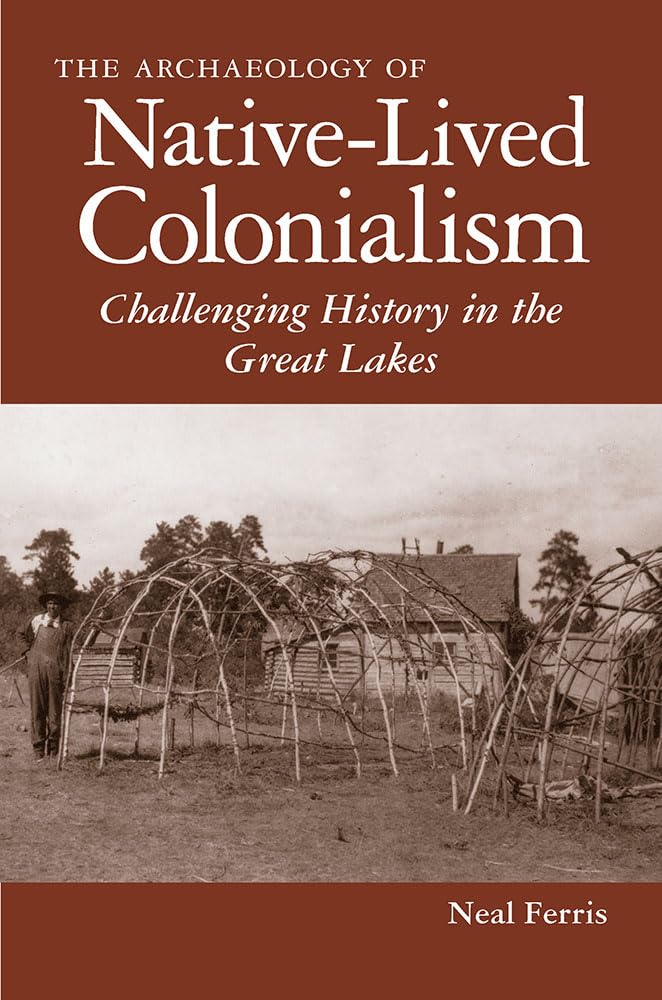
The Archaeology Of Nativelived Colonialism: Challenging History In The Great Lakes (Archaeology Of Indigenouscolonial Interact,Used
Sold by Ergodebooks, an authorized reseller.
Returns accepted within 30 days | support@ergodebooks.com
Shipping Information
- Free Standard Shipping — United States only
- Processing Time: 3–5 business days
- Estimated Delivery: 6–10 business days after dispatch
- Double-boxed, fully insured & discreetly packaged
- Tracking number sent via email once dispatched
Returns & Refund
Returns accepted within 30 days of delivery.
Damaged or Defective Item
Free return shipping + replacement or full refund
Wrong Item Received
Free return shipping + replacement or full refund
Change of Mind
Return shipping at customer's expense · 25% restocking fee applies
Payment Option

Colonialism may have significantly changed the history of North America, but its impact on Native Americans has been greatly misunderstood. In this book, Neal Ferris offers alternative explanations of colonial encounters that emphasize continuity as well as change affecting Native behaviors. He examines how communities from three aboriginal nations in what is now southwestern Ontario negotiated the changes that accompanied the arrival of Europeans and maintained a cultural continuity with their pasts that has been too often overlooked in conventional master narrative histories of contact.In reconsidering Native adaptation and resistance to colonial British rule, Ferris reviews five centuries of interaction that are usually read as a single event viewed through the lens of historical bias. He first examines patterns of traditional lifeway continuity among the Ojibwa, demonstrating their ability to maintain seasonal mobility up to the midnineteenth century and their adaptive response to its loss. He then looks at the experience of refugee Delawares, who settled among the Ojibwa as a missionarysponsored community yet managed to maintain an identity distinct from missionary influences. And he shows how the archaeological history of the Six Nations Iroquois reflected patterns of negotiating emergent colonialism when they returned to the region in the 1780s, exploring how families managed tradition and the contemporary colonial world to develop innovative ways of revising and maintaining identity.The Archaeology of NativeLived Colonialism convincingly utilizes historical archaeology to link the Native experience of the eighteenth and nineteenth centuries to the deeper history of sixteenth and seventeenthcentury interactions and with preEuropean times. It shows how these Native communities succeeded in retaining cohesiveness through centuries of foreign influence and material innovations by maintaining ancient, adaptive social processes that both incorporated European ideas and reinforced historically understood notions of self and community.
⚠️ WARNING (California Proposition 65):
This product may contain chemicals known to the State of California to cause cancer, birth defects, or other reproductive harm.
For more information, please visit www.P65Warnings.ca.gov.