
Title
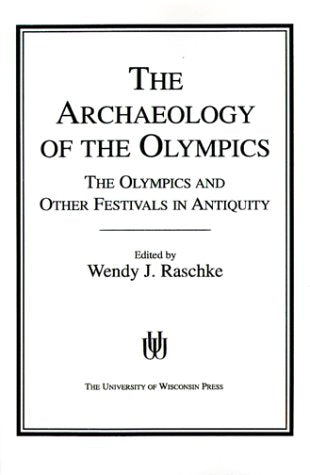
The Archaeology of the Olympics: The Olympics and Other Festivals in Antiquity (Wisconsin Studies in Classics),Used
Sold by Ergodebooks, an authorized reseller.
Returns accepted within 30 days | support@ergodebooks.com
Shipping Information
- Free Standard Shipping — United States only
- Processing Time: 3–5 business days
- Estimated Delivery: 6–10 business days after dispatch
- Double-boxed, fully insured & discreetly packaged
- Tracking number sent via email once dispatched
Returns & Refund
Returns accepted within 30 days of delivery.
Damaged or Defective Item
Free return shipping + replacement or full refund
Wrong Item Received
Free return shipping + replacement or full refund
Change of Mind
Return shipping at customer's expense · 25% restocking fee applies
Payment Option

The Archaeology of the Olympics presents a stirring reevaluation of the Olympic Games (and related festivals) as they actually were, not as the ancient Greeks wishedand we still wishthey might have been. Historians, archaeologists, and classicists examine the evidence to ask such questions as, How did the athletes train? What did they eat? Can we trace the roots of the games as far back as the Bronze Age of Crete and Mycenae? Or even to Anatolia, where similar athletic activities occurred? Were the ancient games really so free of political overtones as modern Olympic rhetoric urges us to believe?
⚠️ WARNING (California Proposition 65):
This product may contain chemicals known to the State of California to cause cancer, birth defects, or other reproductive harm.
For more information, please visit www.P65Warnings.ca.gov.
- Q: How many pages does the book have? A: This book has three hundred twenty-eight pages. It provides an in-depth exploration of the ancient Olympic Games and related festivals.
- Q: What are the dimensions of the book? A: The book measures six inches in length, zero point seventy-one inches in width, and nine point zero two inches in height. These dimensions make it easy to handle and read.
- Q: What type of binding does this book have? A: This book is available in paperback binding. This type of binding is flexible and lightweight, making it convenient for readers.
- Q: Who is the author of this book? A: The author of this book is Wendy J. Raschke. She provides a scholarly perspective on the archaeology of the Olympics.
- Q: What is the main theme of the book? A: The main theme of the book is a reevaluation of the Olympic Games as they were, based on archaeological evidence. It challenges modern perceptions of the ancient festivals.
- Q: What is the reading level of this book? A: This book is suitable for readers interested in classics and archaeology. It is academic in nature and may appeal to college students and researchers.
- Q: How should I store this book? A: Store this book in a cool, dry place away from direct sunlight. This will help preserve its condition over time.
- Q: Can I read this book for leisure? A: Yes, this book can be read for leisure. It provides fascinating insights into ancient Greece and the origins of the Olympic Games.
- Q: Is this book suitable for educational purposes? A: Yes, this book is suitable for educational purposes. It is often used in academic settings for courses related to history, archaeology, and classics.
- Q: What should I do if the book arrives damaged? A: If the book arrives damaged, contact the seller immediately for a return or replacement. Most sellers have policies in place for damaged items.
- Q: Is there a warranty for this book? A: No, books typically do not come with warranties. However, check with the seller for their return policy.
- Q: How can I prevent damage to the book? A: To prevent damage, handle the book carefully and avoid bending the covers. Use a bookmark instead of folding pages.
- Q: What if I need to return the book? A: If you need to return the book, refer to the seller's return policy for instructions. Be sure to keep the original packaging.
- Q: Is this book easy to read? A: Yes, the book is written in clear language, making it accessible to a wide range of readers. It balances scholarly research with engaging narrative.
- Q: Does the book have illustrations or maps? A: The book does not specifically mention illustrations or maps. However, it may contain images related to archaeological findings.