
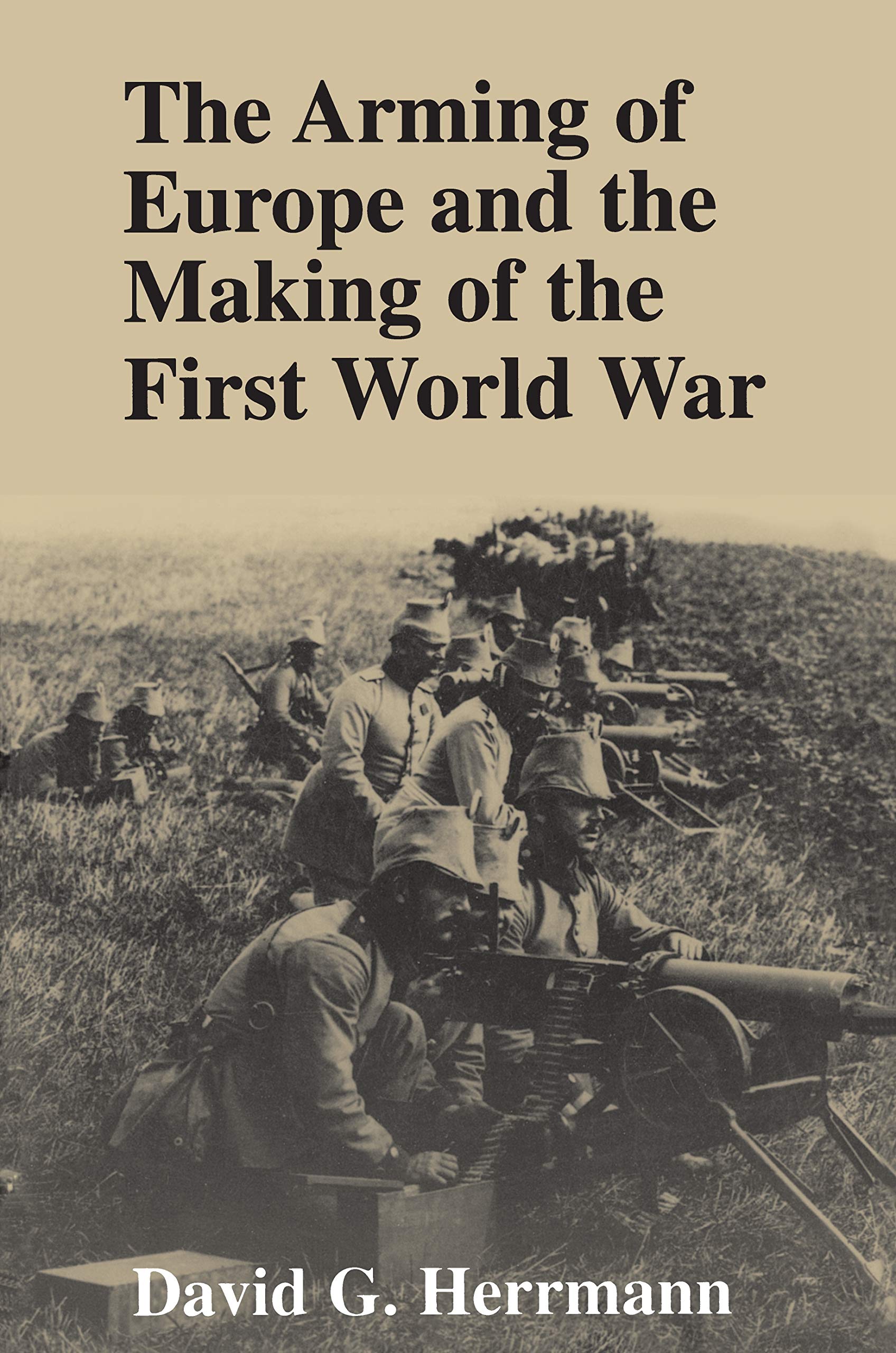
Title
The Arming Of Europe And The Making Of The First World War (Princeton Studies In International History And Politics)
Sold by Ergodebooks, an authorized reseller.
Returns accepted within 30 days | support@ergodebooks.com
Shipping Information
- Free Standard Shipping — United States only
- Processing Time: 3–5 business days
- Estimated Delivery: 6–10 business days after dispatch
- Double-boxed, fully insured & discreetly packaged
- Tracking number sent via email once dispatched
Returns & Refund
Returns accepted within 30 days of delivery.
Damaged or Defective Item
Free return shipping + replacement or full refund
Wrong Item Received
Free return shipping + replacement or full refund
Change of Mind
Return shipping at customer's expense · 25% restocking fee applies
Payment Option

David Herrmann'S Work Is The Most Complete Study To Date Of How Landbased Military Power Influenced International Affairs During The Series Of Diplomatic Crises That Led Up To The First World War. Instead Of Emphasizing The Naval Arms Race, Which Has Been Extensively Studied Before, Herrmann Draws On Documentary Research In Military And State Archives In Germany, France, Austria, England, And Italy To Show The Previously Unexplored Effects Of Changes In The Strength Of The European Armies During This Period. Herrmann'S Work Provides Not Only A Contribution To Debates About The Causes Of The War But Also An Account Of How The European Armies Adopted The New Weaponry Of The Twentieth Century In The Decade Before 1914, Including Quickfiring Artillery, Machine Guns, Motor Transport, And Aircraft.In A Narrative Account That Runs From The Beginning Of A Series Of International Crises In 1904 Until The Outbreak Of The War, Herrmann Points To Changes In The Balance Of Military Power To Explain Why The War Began In 1914, Instead Of At Some Other Time. Russia Was Incapable Of Waging A European War In The Aftermath Of Its Defeat At The Hands Of Japan In 19045, But In 1912, When Russia Appeared To Be Regaining Its Capacity To Fight, An Unprecedented Landarmaments Race Began. Consequently, When The July Crisis Of 1914 Developed, The Atmosphere Of Military Competition Made War A Far More Likely Outcome Than It Would Have Been A Decade Earlier.
⚠️ WARNING (California Proposition 65):
This product may contain chemicals known to the State of California to cause cancer, birth defects, or other reproductive harm.
For more information, please visit www.P65Warnings.ca.gov.
- Q: What is the page count of the book? A: The book has three hundred twenty-eight pages. This length provides a comprehensive exploration of military power leading to the First World War.
- Q: What are the dimensions of the book? A: The book measures six and a half inches in length, one point two six inches in width, and nine point seven six inches in height. These dimensions make it a standard hardcover size.
- Q: What type of binding does this book have? A: The book is bound in hardcover. This type of binding offers durability and a professional appearance.
- Q: Who is the author of the book? A: The author is David G. Herrmann. His expertise in military history informs the in-depth analysis presented in the book.
- Q: What genre does this book belong to? A: The book is categorized under World War I. It explores the geopolitical dynamics and military developments leading to the war.
- Q: What is the main focus of this book? A: The book focuses on how land-based military power influenced international relations before the First World War. It emphasizes the military aspects over naval competition.
- Q: How does this book contribute to historical debates? A: The book provides insights into the causes of the First World War by analyzing military power shifts. It contributes to ongoing discussions about the war's origins.
- Q: Is this book suitable for academic study? A: Yes, the book is suitable for academic study. It includes extensive documentary research from various military archives.
- Q: What themes are explored in this book? A: The book explores themes of military competition, technological advancements in weaponry, and their impact on diplomatic crises. These themes are crucial for understanding the war.
- Q: How can I store this book to keep it in good condition? A: Store the book in a cool, dry place away from direct sunlight. Avoid stacking heavy items on top of it to maintain its shape.
- Q: Is it safe to clean the book's cover? A: Yes, you can gently wipe the cover with a soft, dry cloth. Avoid using water or cleaners that may damage the surface.
- Q: What should I do if the book arrives damaged? A: If the book arrives damaged, contact the seller for a return or replacement. Most retailers have policies in place for such situations.
- Q: Is there a warranty for this book? A: Typically, books do not come with a warranty. However, check with the retailer for their return policy regarding damaged items.
- Q: Can I return this book if I don't like it? A: Yes, you can return the book if you're unsatisfied, provided it is within the retailer's return policy timeframe. Always check specific return conditions.
- Q: What if I have questions about the book's content? A: If you have questions about the book's content, consider reaching out to forums or book clubs focused on military history. They can provide valuable insights.
- Q: Is this book appropriate for young readers? A: No, this book is not specifically designed for young readers. Its complex themes and historical analysis may be better suited for adults and advanced students.